Anonverse X CMC Airdrop: Is It Real? How to Spot Scams & Protect Your Wallet
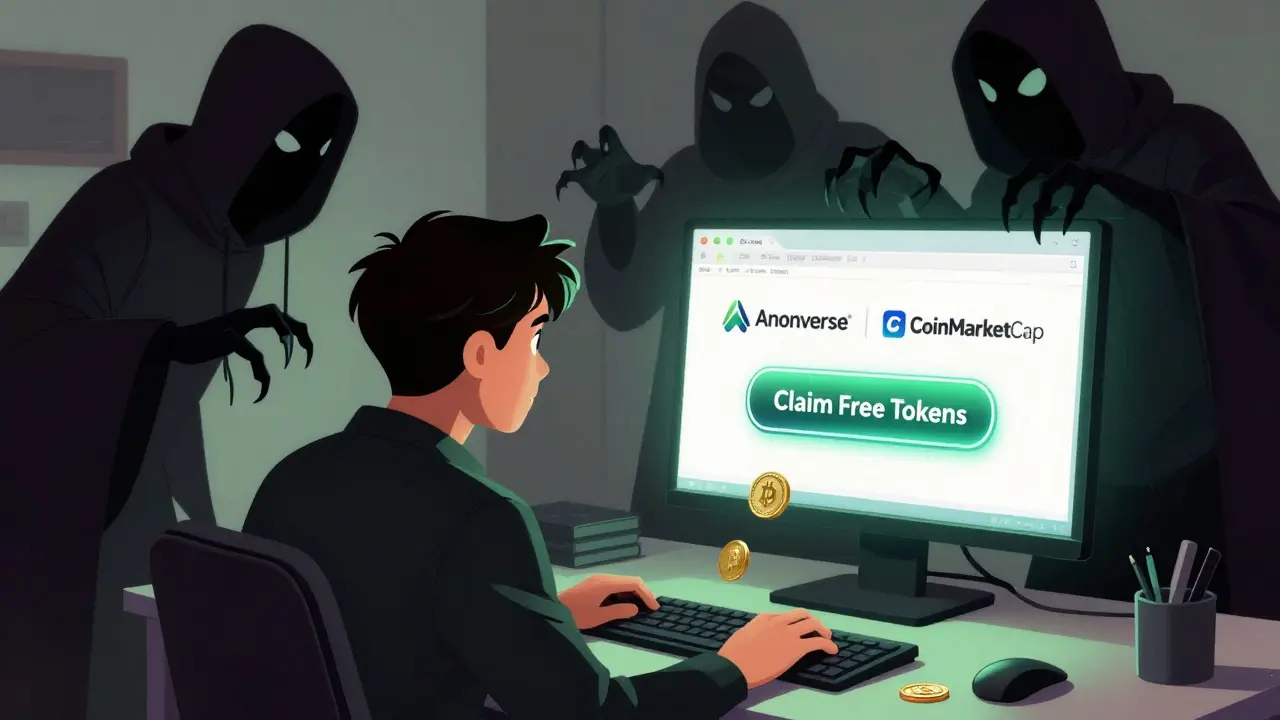
You’ve probably seen the pop-up or the social media post claiming that Anonverse is launching a massive airdrop in partnership with CoinMarketCap. The promise is usually too good to be true: free tokens just for connecting your wallet. But here is the hard truth you need to hear right now-there is no official record of such a collaboration. In fact, this specific combination of names is a classic signature of a sophisticated phishing scam designed to drain your digital assets.
In the world of cryptocurrency, trust is everything, and verification is your best defense. When a project claims a partnership with a giant like CoinMarketCap without any official announcement on their primary channels, it’s a major red flag. This article breaks down exactly why this "Anonverse X CMC" campaign is likely fraudulent, how these scams operate, and most importantly, how you can protect your wallet from being compromised.
The Anatomy of the Anonverse X CMC Scam
To understand why this is dangerous, we first need to look at what legitimate partnerships look like versus what scammers do. CoinMarketCap, owned by Binance, is one of the most trusted data aggregators in the industry. They do not randomly partner with obscure projects for airdrops without extensive public relations campaigns. If a real partnership existed, you would see announcements on the official CoinMarketCap Twitter account, their blog, and major news outlets like CoinDesk or The Block.
Instead, the "Anonverse" narrative relies on confusion. Scammers often create fake websites that mimic the design of legitimate platforms. They might use a domain name that looks similar to the real project but has a slight typo, or they might buy ads on social media targeting users interested in "free crypto." The goal isn't to give you money; it's to get you to sign a malicious transaction.
Here is how the trap typically works:
- The Hook: You click a link promising an exclusive "CMC Partner" airdrop.
- The Connection: You are asked to connect your Web3 wallet (like MetaMask or Phantom) to claim the rewards.
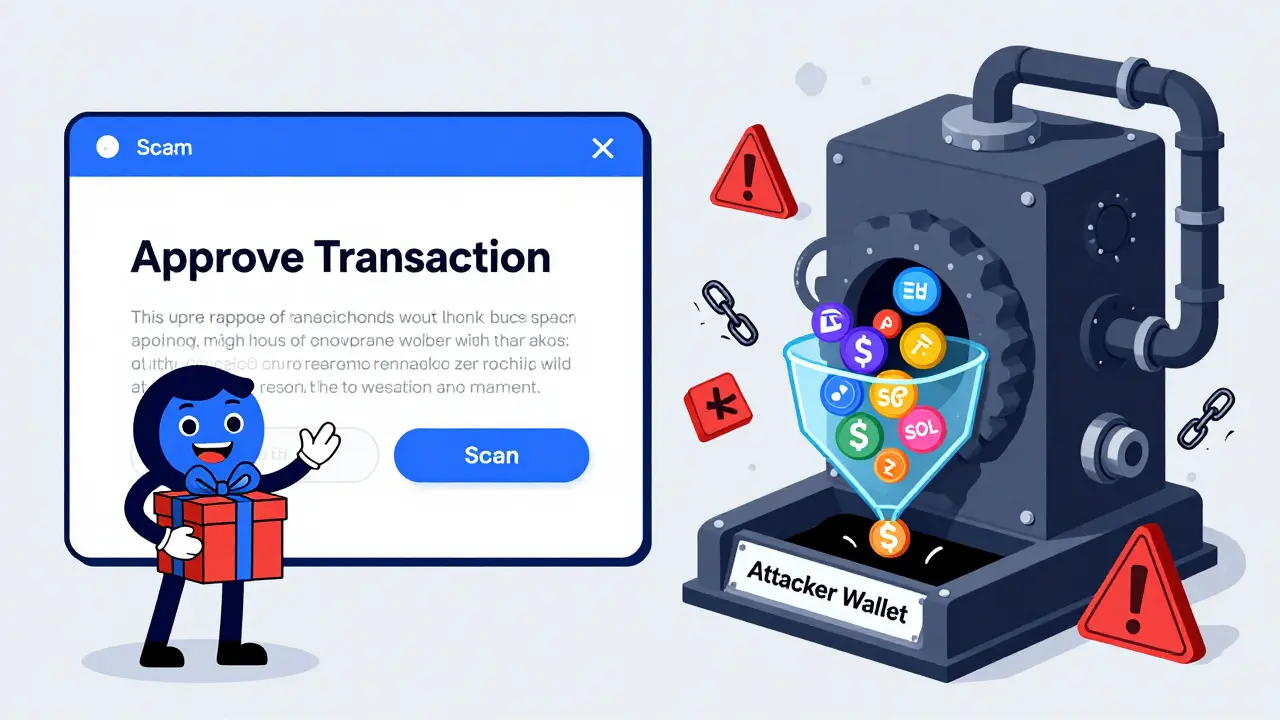
- The Trap: Once connected, the site asks you to approve a transaction. This transaction doesn't send you tokens; it grants the scammer permission to access your existing funds.
- The Drain: Within seconds, the smart contract executes, transferring your ETH, SOL, or other valuable assets to the attacker's wallet.
This method exploits the complexity of blockchain interactions. Many users don't realize that clicking "Approve" on a smart contract can have permanent consequences. Unlike a credit card charge, blockchain transactions cannot be reversed.
How to Verify Legitimate Crypto Partnerships
Before you ever connect your wallet to a new site, you must perform due diligence. Verification is simple if you know where to look. Never rely on screenshots, Telegram messages, or Discord DMs as proof of legitimacy. These can be easily faked.
Start by checking the official social media channels of the larger brand involved. In this case, go directly to the verified CoinMarketCap website or their official Twitter handle. Search their posts for "Anonverse." If there is no mention, the partnership does not exist. Legitimate projects also list their partners on their own official websites under a "Partners" or "Ecosystem" section. If the Anonverse website itself does not prominently display this partnership with clear links to press releases, assume it is false.
Another critical step is checking token listings. If a project claims to be issuing a token through CoinMarketCap, that token should eventually appear on the CoinMarketCap database with a verified badge. However, scammers often create fake tokens on decentralized exchanges (DEXs) with the same name and ticker symbol. Always check the contract address against the official source. If the official source doesn't exist, the token is likely a honeypot or a rug pull waiting to happen.
Red Flags That Signal a Fake Airdrop
Scammers follow predictable patterns. By recognizing these signs early, you can avoid losing funds. Here are the most common indicators that an airdrop is illegitimate:
- Urgency and FOMO: Messages that say "Claim within 24 hours or lose out" are designed to bypass your logical thinking. Real projects allow ample time for security audits and user education.
- Unsolicited Contact: If you receive a direct message on Discord, Telegram, or email about an airdrop you didn't sign up for, delete it immediately. Official teams rarely cold-message users.
- Poor Grammar and Design: While some scams are high-quality, many still suffer from broken English, pixelated logos, or inconsistent branding. Compare the site side-by-side with the official project page.
- Requests for Seed Phrases: No legitimate service will ever ask for your 12-24 word recovery phrase. If a site asks for this, it is 100% a scam.
- Unknown Contract Addresses: If you are asked to interact with a smart contract that hasn't been audited by firms like CertiK or OpenZeppelin, proceed with extreme caution.
Additionally, pay attention to the URL. Look closely at the web address. Does it use HTTPS? Is the domain registered recently? Tools like Whois can tell you when a domain was created. If the "official" Anonverse site was registered last week, it is almost certainly a clone site set up for phishing.
Protecting Your Wallet: Best Practices
Even if you accidentally fall for a scam, there are steps you can take to minimize damage. Prevention is always better than cure, but having a safety net is crucial for every crypto user.
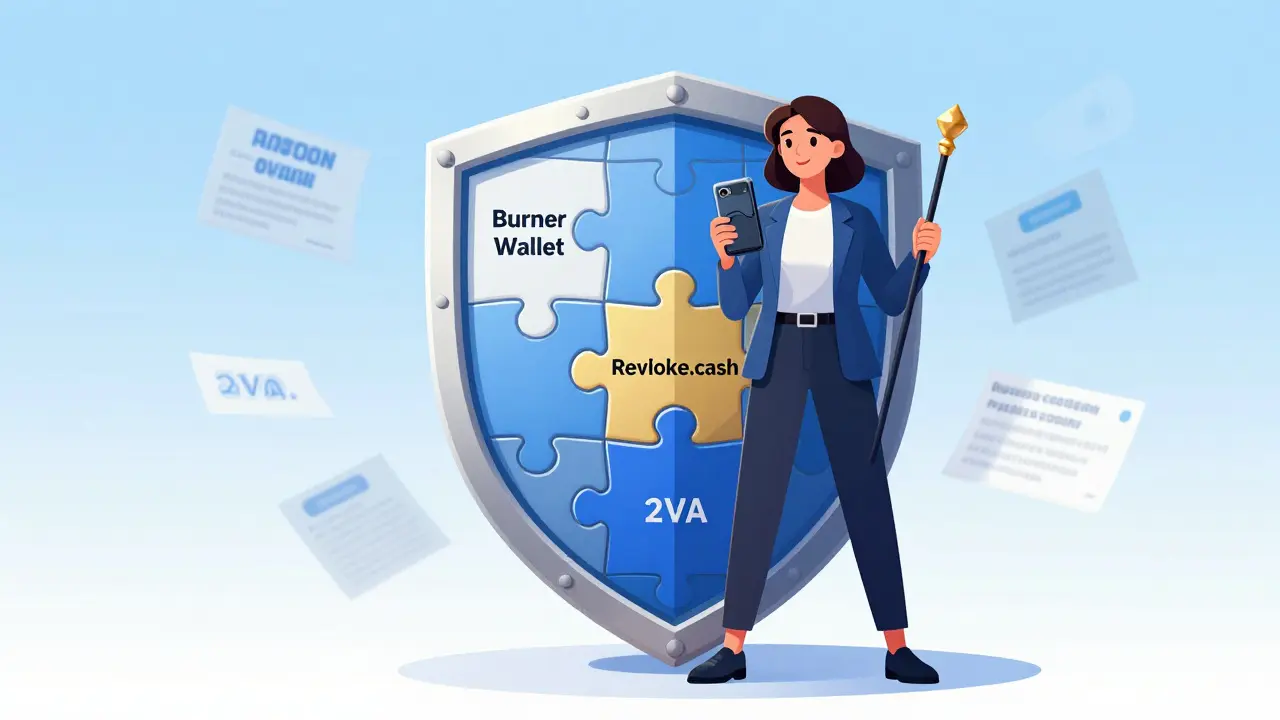
First, use a burner wallet for unverified interactions. Keep your main wallet, which holds your long-term savings, completely isolated from risky activities. Use a separate wallet extension or a hardware wallet with a different seed phrase for testing new protocols or claiming uncertain airdrops. If this secondary wallet gets drained, your primary assets remain safe.
Second, regularly revoke approvals. Over time, your wallet may have granted permissions to various smart contracts. Some of these might be malicious. Use tools like Revoke.cash or the built-in revocation features in wallets like MetaMask to remove unnecessary permissions. This ensures that even if a dApp becomes compromised later, it cannot access your funds retroactively.
Third, enable two-factor authentication (2FA) on all exchange accounts. While this doesn't protect your self-custody wallet from smart contract drains, it prevents hackers from stealing your credentials if they try to phish your login details. Use an authenticator app rather than SMS, as SIM swapping is a common attack vector.
What to Do If You’ve Already Connected
If you suspect you’ve connected your wallet to a suspicious site, act immediately. Do not wait to see if anything happens. First, disconnect the wallet from the site using your wallet interface. Then, move all remaining funds to a new, secure wallet with a fresh seed phrase. Assume your current wallet is compromised.
Next, check your transaction history on a block explorer like Etherscan or Solscan. Look for outgoing transfers you didn't authorize. If you see suspicious activity, document it. While you cannot reverse the transaction, reporting it to the platform where you found the link (such as Twitter or Discord) can help prevent others from falling victim. Additionally, consider freezing your identity if personal information was leaked, though pure wallet hacks usually don't involve personal data unless you signed a KYC form.
Remember, the crypto space is wild west territory. There is no customer support to call if you lose funds to a smart contract exploit. Your vigilance is the only line of defense. By questioning unsolicited offers and verifying partnerships through official channels, you stay ahead of scammers.
Is the Anonverse X CMC airdrop legitimate?
No, there is no official evidence of a partnership between Anonverse and CoinMarketCap. This appears to be a phishing scam designed to steal cryptocurrency from users who connect their wallets to malicious sites.
How can I verify if a crypto airdrop is real?
Check the official social media accounts and websites of both parties involved. Look for press releases, verified badges, and consistent branding. Never trust unsolicited messages or links from unknown sources.
What happens if I connect my wallet to a scam site?
Connecting your wallet alone may not drain funds, but approving a transaction on a malicious site can grant attackers access to your assets. Always revoke approvals immediately if you suspect compromise.
Can I recover funds lost to an airdrop scam?
Generally, no. Blockchain transactions are irreversible. If you lose funds to a scam, you cannot get them back through customer support or chargebacks. Prevention and quick action are your only options.
Why do scammers use CoinMarketCap's name?
Scammers use reputable brands like CoinMarketCap to build false trust. Users are more likely to connect their wallets if they believe a major platform is endorsing the event, making the scam more effective.