Crypto Exchanges Banned in Iran: Sanctions, Freezes & Restrictions
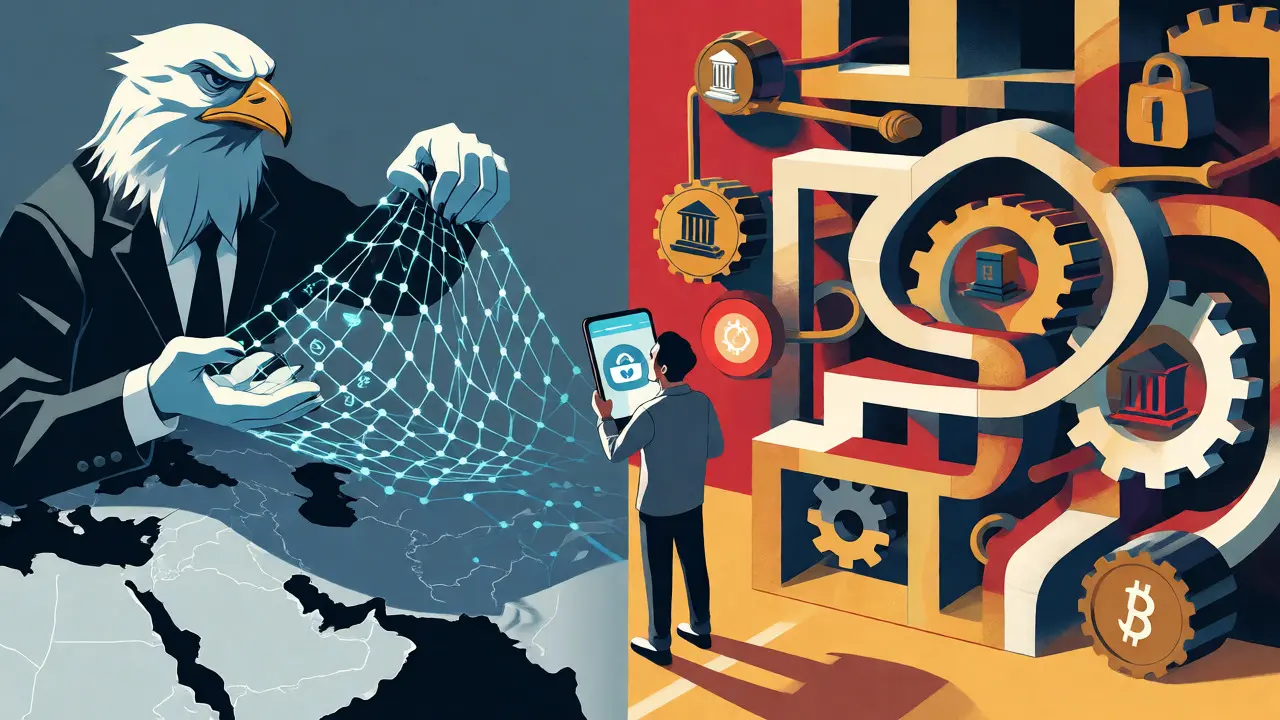
Imagine waking up to find your digital savings frozen. Not because you did anything wrong, but because a US Treasury algorithm flagged your wallet address as being linked to an Iranian entity. This isn't a hypothetical scenario for millions of users; it is the daily reality for Iranian cryptocurrency traders navigating a minefield of international sanctions and domestic crackdowns.
If you are searching for a simple list of "banned" exchanges, you won't find one. The situation in Iran is not about a blacklist of specific platforms like Binance or Coinbase being officially prohibited by name. Instead, it is a complex web of two opposing forces: aggressive US sanctions that force global companies to block Iranian users, and strict Central Bank of Iran (CBI) regulations that choke local trading options. In September 2026, understanding this dual restriction is crucial for anyone dealing with crypto in the region.
The Myth of the Official Ban List
Most people assume that if a country bans crypto, it lists every exchange it dislikes. Iran doesn't work that way. There is no official government decree stating "Nobitex is illegal" or "Binance is forbidden." The restrictions are operational and financial. On one side, you have the US Office of Foreign Assets Control (OFAC). They don't ban exchanges directly; they sanction entities and individuals. If an exchange serves a sanctioned Iranian user, that exchange risks losing access to the US dollar system. For major players like Kraken or Coinbase, the risk isn't worth the reward, so they voluntarily restrict Iranian IP addresses and KYC-verified users.
On the other side, the Iranian government has shifted from passive observation to active control. Since late 2024, the CBI has implemented rules that make it nearly impossible to move money between traditional banks and crypto without using government-approved channels. This creates a fragmented ecosystem where the "ban" is effectively enforced by infrastructure failure rather than legal prohibition.
Domestic Restrictions: The Central Bank's Grip
In December 2024, the Central Bank of Iran made a sweeping move. It blocked all direct payments between cryptocurrency and the Iranian Rial through standard internet websites. This meant that typical peer-to-peer transfers or direct bank deposits into exchanges were suddenly halted. Why? To stop capital flight and monitor inflationary pressures.
By January 2025, the CBI began selectively unblocking exchanges, but with a catch. Only platforms operating with the government’s own API system could process fiat transactions. This API gives the state full visibility into user data, including identity and transaction history. If an exchange refuses to integrate this surveillance tool, it loses its ability to convert Rials to Bitcoin or vice versa. This effectively sidelines any exchange unwilling to submit to total regulatory oversight.
Furthermore, in February 2025, the regime launched a comprehensive ban on cryptocurrency advertising. You can't see ads for crypto wallets or trading platforms on Iranian social media or billboards anymore. This wasn't just about regulation; it was about limiting adoption. By restricting information flow, the government aims to keep the market small and manageable, preventing the kind of explosive growth seen in neighboring Turkey.
The Tether Freeze: A Game Changer for Stablecoins
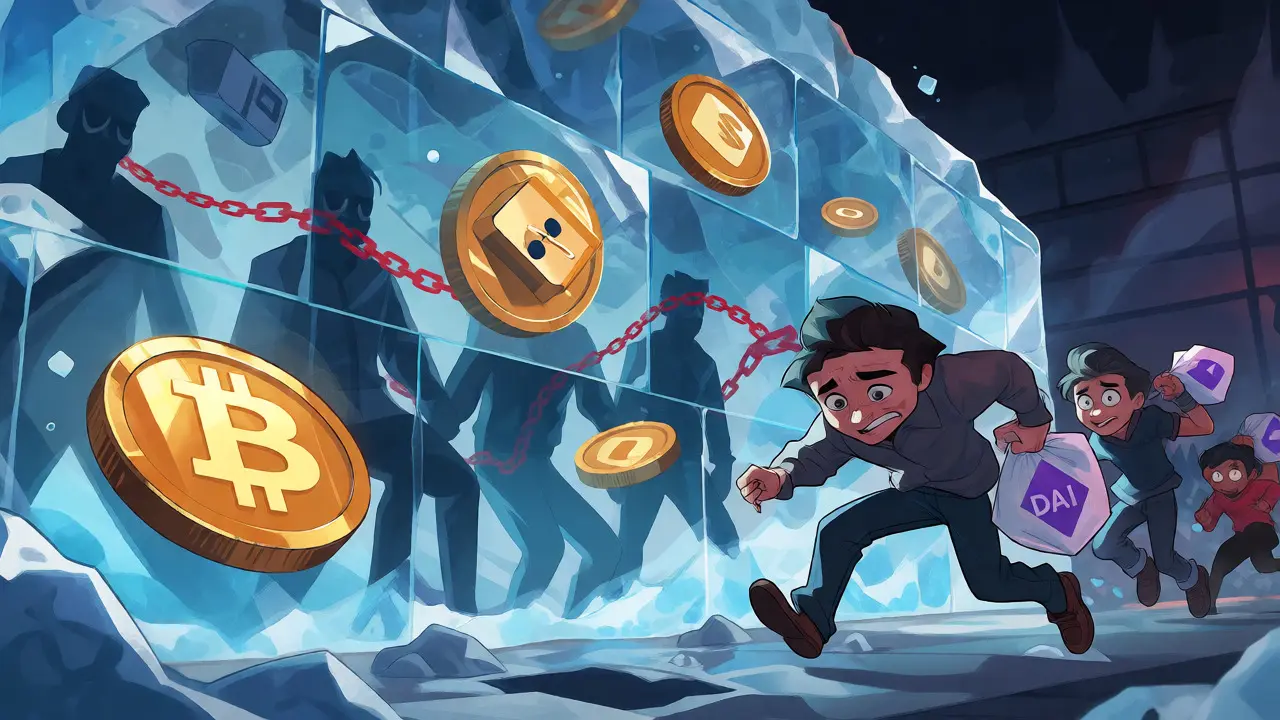
If there is one event that defined the last year for Iranian crypto users, it was the massive freeze of funds by Tether. On July 2, 2025, Tether executed its largest-ever freeze of Iranian-linked funds. They targeted 42 specific cryptocurrency addresses. More than half of these had significant exposure to Nobitex, the largest domestic Iranian exchange.
Why did this happen? These wallets showed transactional flows to addresses affiliated with the Islamic Revolutionary Guard Corps (IRGC), which Israel’s National Bureau for Counter Terrorist Financing had previously flagged. Tether, being a US-based company heavily reliant on compliance with US law, acted swiftly. They didn't just warn; they froze assets.
This wasn't an isolated incident. Tasnim News Agency, affiliated with the IRGC, reported that thousands of accounts belonging to Iranian users have been blocked according to Tether’s data. The warning was clear: holding USDT (Tether) in Iran now carries a tangible risk of total loss. This forced Iranian investors to scramble for alternatives. Many moved their holdings from USDT to DAI via the Polygon network, trying to escape the centralized control of Tether.
| Restriction Type | Enforcer | Impact on Users | Status in 2026 |
|---|---|---|---|
| Fiat-Crypto Conversion | Central Bank of Iran | Direct bank transfers blocked; must use approved APIs | Active, selective unblocking |
| Stablecoin Holdings | Central Bank of Iran | Limited to $10k holding, $5k annual purchase | Strictly enforced since Sept 2025 |
| Asset Freezing | Tether (USDT) | Wallets linked to IRGC/Nobitex frozen | Ongoing risk, thousands affected |
| Exchange Access | Global Compliance (OFAC) | Bittrex, Coinbase, Kraken block Iranian IPs/KYC | Permanent for most major Western exchanges |
| Advertising | Iranian Government | No public marketing for crypto services | Full ban since Feb 2025 |
International Sanctions and Exchange Blocking
While domestic rules control how Iranians trade locally, international sanctions dictate what they can buy globally. The US Treasury’s OFAC intensified efforts in 2024 to dismantle financial infrastructure sustaining sanctioned states. They issued 13 designations that included specific cryptocurrency addresses. This represented the second-highest amount of such actions in seven years.
For Iranian users, this means major Western exchanges are effectively "banned" not by decree, but by policy. Take Bittrex, for example. Before its bankruptcy, Bittrex froze Iranian-owned accounts after US Treasury sanctions imposed restrictions. One Iranian national, Ghader, launched an $88 million lawsuit against Bittrex, arguing that the freeze cost him profits during the 2017 and 2021 bull runs. Courts rejected his claim because the Terms of Service gave exchanges broad discretion to suspend accounts for compliance reasons.
This sets a precedent. If you try to sign up for Coinbase or Kraken from Iran, you will likely fail KYC checks. Even if you use a VPN, if your withdrawal method links back to an Iranian bank account, the exchange may flag and freeze your funds. The risk is too high for these companies. Therefore, the "ban" is a de facto exclusion from the top tier of global liquidity.
Nobitex and the Domestic Giants
Nobitex remains the dominant player inside Iran. However, it operates under intense scrutiny. Because many of the frozen Tether addresses were linked to Nobitex, the exchange faces constant pressure. While it hasn't been shut down, its operations are constrained. The government requires it to share data via the central API. International partners are wary of routing large volumes through it due to potential secondary sanctions.
Other Iranian exchanges face similar hurdles. They must navigate the new taxation laws enacted in August 2025. The Law on Taxation of Speculation and Profiteering imposed capital gains tax on cryptocurrency trading for the first time. This positions crypto alongside gold and real estate. For the average trader, this adds another layer of complexity. You aren't just worried about whether your exchange will freeze your funds; you're worrying about whether you can accurately report profits to a tax authority that views crypto with suspicion.
Workarounds: How Iranians Keep Trading
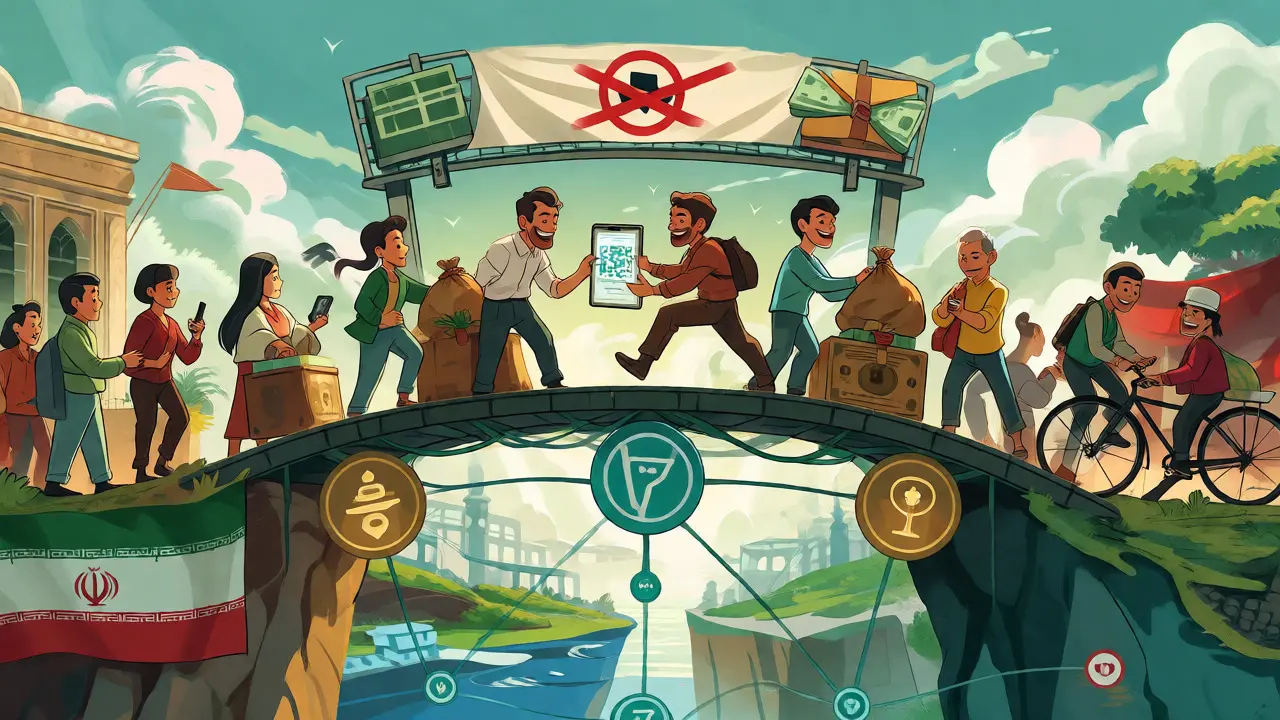
So, if major exchanges are blocked and domestic ones are restricted, how do Iranians still participate? They adapt. The agility of retail and institutional participants in Iran is remarkable.
- Decentralized Exchanges (DEXs): Platforms like Uniswap or PancakeSwap don't require KYC. As long as you have a self-custody wallet (like MetaMask or Trust Wallet), you can trade. The bottleneck becomes moving fiat in and out, which requires P2P markets.
- Alternative Stablecoins: After the Tether freezes, many users swapped USDT for DAI or USDC, hoping these might be less aggressively targeted, though USDC also complies with US sanctions.
- Turkey as a Hub: Turkey has emerged as a key haven. Its large, dollarized crypto economy and flexible residency channels make it a gateway. Many Iranians set up Turkish bank accounts and use Turkish exchanges like BTCTurk or Paribu, then bridge assets back home via informal networks.
- Peer-to-Peer (P2P) Markets: Local P2P platforms remain vital. They allow users to trade directly with each other, bypassing the formal banking rails that the CBI monitors closely.
Sanctioned jurisdictions received $15.8 billion in cryptocurrency in 2024, accounting for approximately 39% of all illicit crypto transactions. This statistic highlights that despite the "bans," volume hasn't disappeared; it has just gone underground or offshore.
What This Means for Investors
If you are an international investor looking at the Iranian market, tread carefully. The regulatory environment is volatile. What is allowed today might be taxed tomorrow. If you are an Iranian resident, diversification is no longer optional-it is survival. Do not keep all your eggs in one stablecoin basket. Do not rely solely on one exchange, especially if it has ties to sanctioned entities.
The era of easy access to global crypto markets for Iranians is over. We are in an era of managed access. The government wants to harness the benefits of blockchain technology-like mining revenue and remittance efficiency-while preventing the political instability that comes with widespread financial freedom. The result is a bifurcated system: a regulated, monitored domestic sphere, and a shadowy, resilient international sphere maintained by tech-savvy users.
Is Binance banned in Iran?
Binance is not officially "banned" by a court order in Iran, but it is effectively inaccessible for most users due to international sanctions. Binance generally blocks users from sanctioned countries, including Iran, to comply with US regulations. Iranian users typically cannot complete KYC verification or withdraw fiat currencies directly to Iranian banks through Binance.
Can I use Tether (USDT) in Iran?
You can hold and transfer Tether in Iran, but it carries significant risk. In July 2025, Tether froze 42 addresses linked to Iranian entities, including those connected to Nobitex. Additionally, the Central Bank of Iran limits individual purchases of stablecoins to $5,000 annually and holdings to $10,000. Many users are switching to decentralized stablecoins like DAI to avoid freezing risks.
Which crypto exchanges operate legally in Iran?
Exchanges like Nobitex, Wallex, and Bitpin operate domestically. However, they must use the Central Bank's API for fiat conversions, allowing the government to monitor all transactions. They are legal but heavily regulated, subject to advertising bans and new capital gains taxes introduced in 2025.
Why did Tether freeze Iranian wallets?
Tether froze wallets to comply with US sanctions and anti-money laundering regulations. The frozen addresses were identified as having transactional links to the Islamic Revolutionary Guard Corps (IRGC) and other sanctioned entities. This action was part of a broader effort by US-based financial service providers to distance themselves from sanctioned jurisdictions.
Are crypto advertisements allowed in Iran?
No. Since February 2025, the Iranian government has enforced a comprehensive ban on cryptocurrency advertising. This includes online ads, social media promotions, and physical billboards. The goal is to limit public awareness and adoption rates, keeping the market contained within knowledgeable circles.