Defibox Crypto Exchange Review: Safety, Features, and Risks in 2026
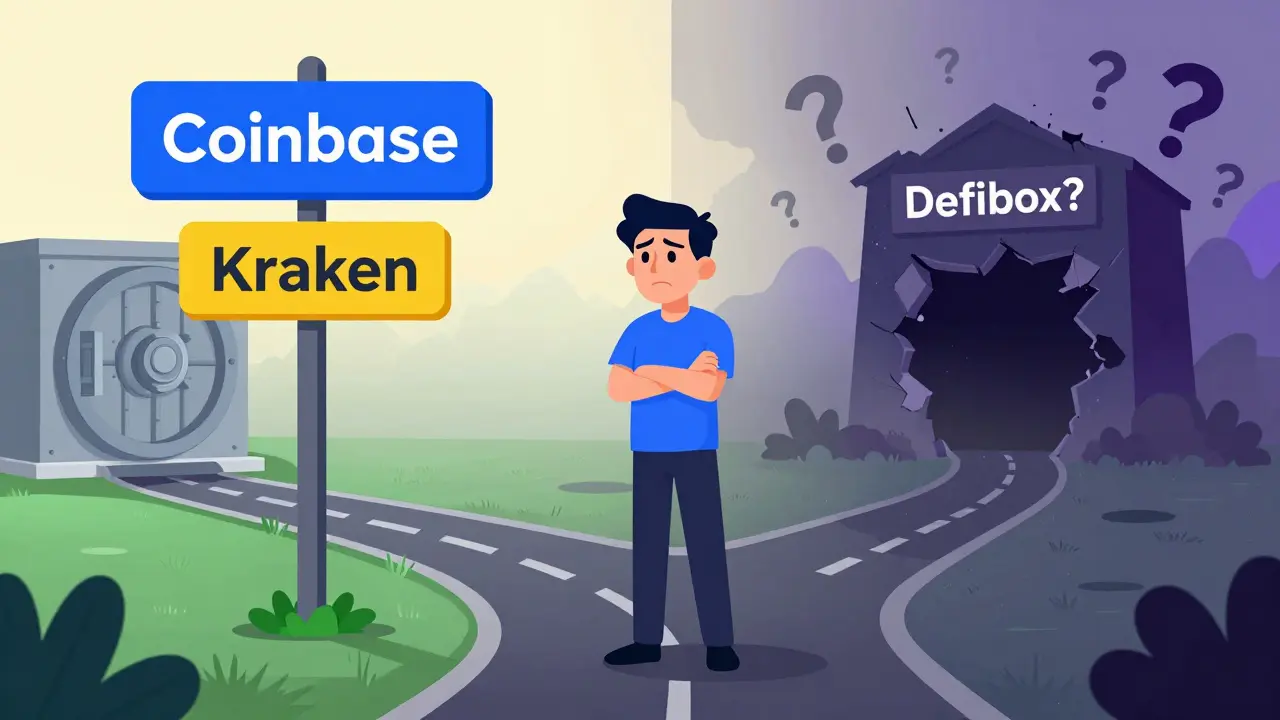
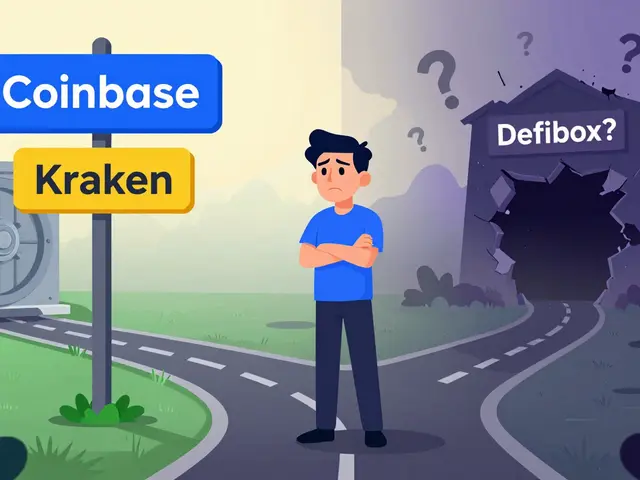
Searching for a "Defibox crypto exchange review" usually leads to one of two places: confusion or caution. If you are looking for a platform called Defibox to trade Bitcoin or Ethereum, you might be hitting a wall of silence. Unlike giants like Coinbase or Binance, there is no widely recognized, regulated centralized exchange operating under the name "Defibox" in the mainstream market as of 2026. This absence isn't just an oversight; it’s a critical data point.
In the crypto world, visibility equals legitimacy. When a platform doesn't appear in major comparisons, regulatory filings, or security audits, it raises red flags. You could be looking at a decentralized finance (DeFi) protocol with a similar name, a new and unproven startup, or potentially a fraudulent site mimicking legitimate brands. Before you deposit a single dollar, we need to separate fact from fiction and understand what this name actually represents in the current landscape.
Is Defibox a real crypto exchange?
There is no major, regulated centralized cryptocurrency exchange known as "Defibox." The name may refer to a small decentralized protocol, a defunct project, or a scam site impersonating legitimate services. Always verify the exact URL and check for regulatory licenses before interacting with any platform using this name.
The Identity Crisis: What Is Defibox?
When you type "Defibox" into a search engine, the results are sparse. In 2026, the crypto market is saturated with thousands of projects, but only a fraction make it to the top tier of exchanges. Major platforms like Kraken, which supports over 350 cryptocurrencies, or Coinbase, listed on the NYSE, have massive digital footprints. They publish quarterly reports, engage with regulators, and have millions of user reviews.
Defibox lacks this footprint. It does not appear in standard listings for the "best crypto exchanges" by reputable financial publications. This doesn't automatically mean it's a scam, but it does mean it falls into the "high-risk" category. You might be encountering:
- A Decentralized Protocol: Some DeFi apps use names ending in "box" or "defi." These aren't exchanges in the traditional sense; they are smart contracts where you connect your wallet directly. There is no customer support, no login page, and no company behind it.
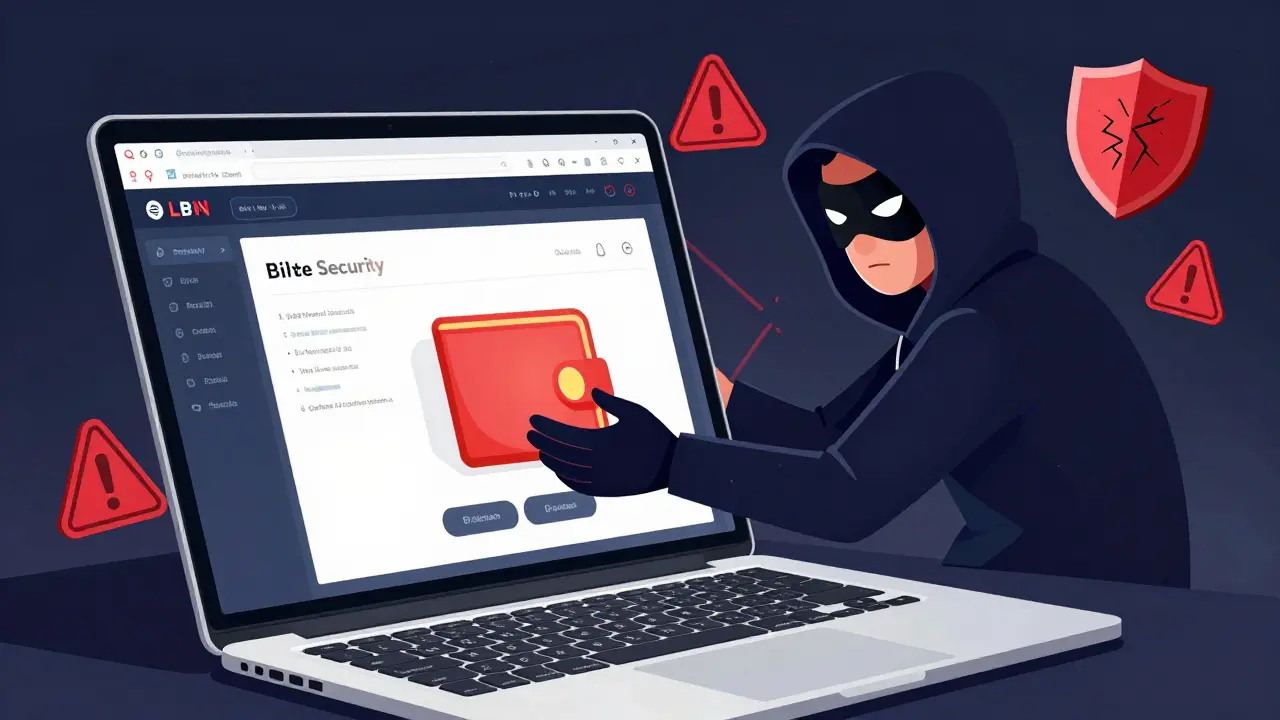
- A Phishing Site: Scammers often create sites with names that sound like popular brands (e.g., mixing "Defi" and "Box"). These sites look professional but steal your private keys or funds once you connect your wallet.
- A Defunct Project: Many crypto projects launch with hype and disappear within months. Defibox might be a ghost town-a website that still loads but has no liquidity or active development.
To determine which one applies, you need to look at the URL. If it asks you to download a suspicious app or enter your seed phrase, close the tab immediately. Legitimate exchanges never ask for your seed phrase.
Centralized vs. Decentralized: Understanding the Risk Profile
If you are considering using a lesser-known platform like Defibox, you must understand the fundamental difference between Centralized Exchanges (CEXs) and Decentralized Exchanges (DEXs). This distinction dictates your level of risk.
| Feature | Centralized Exchange (e.g., Kraken, Coinbase) | Decentralized Exchange (e.g., Uniswap, Hyperliquid) | Unknown/New Platform (e.g., Potential Defibox) |
|---|---|---|---|
| Custody | Exchange holds your funds | d>You hold your funds via walletUnclear or risky custody model | |
| Regulation | Licensed in multiple jurisdictions | No central entity to regulate | Often unregulated or offshore |
| Fees | Transparent (0% - 0.6%) | Network gas fees + protocol fee | Hidden fees or high spreads |
| Security | Insurance funds, 2FA, KYC | Smart contract risk, user error | High risk of hacks or rug pulls |
| Support | 24/7 Customer Service | Community forums only | Non-existent or bot responses |
Most users prefer CEXs because they offer a familiar experience: email recovery, fiat on-ramps, and customer support. Platforms like Binance US provide access to 158 cryptocurrencies with clear fee structures. If Defibox claims to be a CEX but cannot prove its regulatory status, it is likely operating illegally or fraudulently. If it is a DEX, you are responsible for your own security, and if the smart contract has a bug, your money is gone forever.
Red Flags: How to Spot a Fake Exchange
In 2026, scams are sophisticated. They don't look like broken websites from the early 2000s. They have sleek designs, fake testimonials, and even fake social media followings. Here is how to vet a platform like Defibox before you trust it with your assets.
- Check Regulatory Licenses: Legitimate exchanges display their license numbers prominently. For example, Coinbase is registered with the FinCEN in the US and holds licenses in various EU countries. If Defibox has no mention of compliance with AML (Anti-Money Laundering) or KYC (Know Your Customer) laws, walk away.
- Verify the Team: Who is behind the project? Reputable exchanges have public leadership teams with LinkedIn profiles and industry history. Anonymous teams are common in early-stage DeFi but are a massive red flag for any platform claiming to be a trusted exchange.
- Look for Independent Audits: If Defibox is a DeFi protocol, its code should be audited by firms like CertiK or Trail of Bits. These audits are published publicly. If you can't find an audit report, assume the code is vulnerable.
- Search for User Complaints: Go beyond Google. Check Reddit, Twitter (X), and Trustpilot. Search for "Defibox scam" or "Defibox withdrawal issues." If users are complaining about frozen accounts or inability to withdraw, it is a classic sign of a Ponzi scheme or exit scam.
The DFPI (Department of Financial Protection and Innovation) and other global bodies maintain trackers for crypto scams. If Defibox appears on these lists, do not engage. Even if it doesn't, the lack of positive mentions is telling.
Safer Alternatives for Trading in 2026
If your goal is to trade crypto safely, there are established alternatives that offer better security, lower fees, and regulatory protection. Depending on your needs, here are three reliable options.
1. Kraken: Best for Security and Altcoins
Kraken has been around since 2011 and has never been hacked. It supports over 350 cryptocurrencies and offers low fees starting at 0%. It is ideal for traders who want access to a wide range of assets without sacrificing security. Kraken also offers staking and margin trading for experienced users.
2. Coinbase: Best for Beginners and Fiat On-Ramping
If you are new to crypto, Coinbase is the gold standard. It is publicly traded, making it highly transparent. While fees can be higher (up to 3.99% for instant buys), the ease of use and robust customer support make it worth it for small amounts. It supports 235+ coins and integrates easily with bank accounts.
3. Hyperliquid or Apex: Best for DeFi Traders
If you were attracted to Defibox because of the "DeFi" aspect, consider established decentralized platforms like Hyperliquid or Apex. These platforms offer order-book trading similar to CEXs but operate on-chain. They allow you to keep custody of your funds while enjoying advanced trading features. However, remember that you are responsible for securing your own wallet.
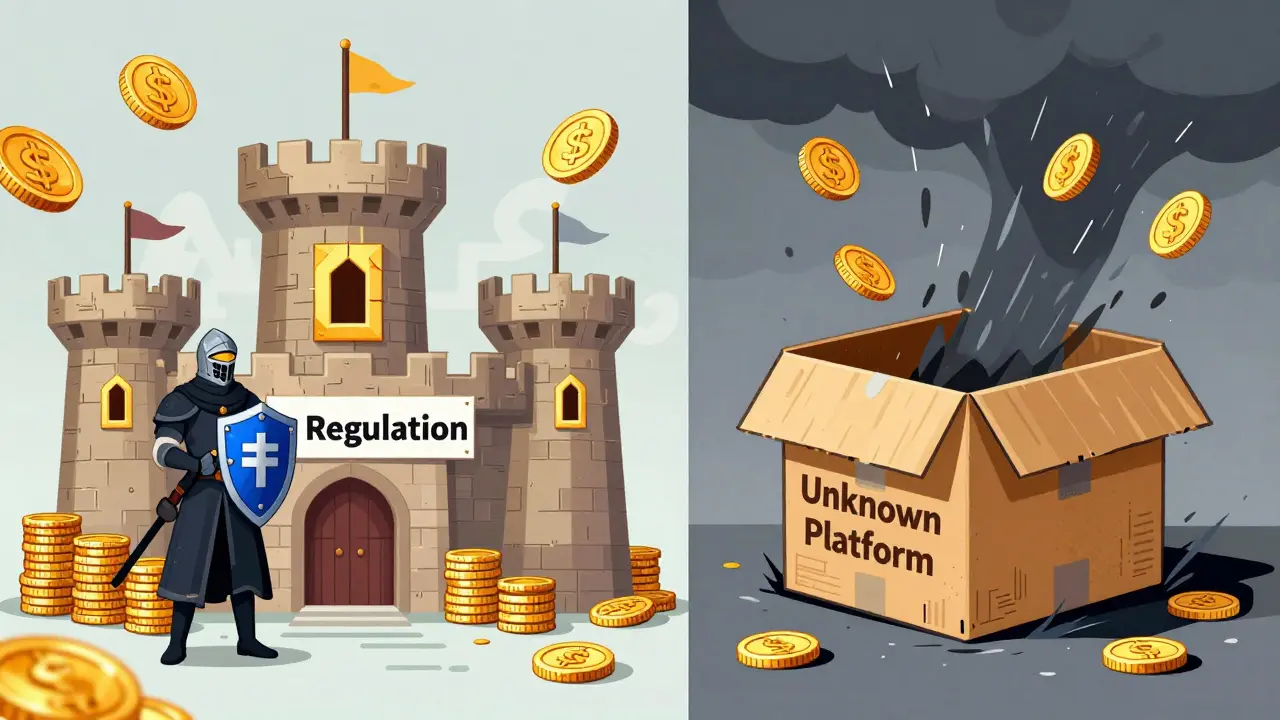
Decision Tree: Should You Use Defibox?
To help you decide, follow this simple logic:
- Does Defibox have a verifiable regulatory license? No → Do not use.
- Is the team anonymous? Yes → High risk. Avoid unless you are an expert in smart contract analysis.
- Are there independent security audits? No → Do not connect your wallet.
- Do you see negative reviews about withdrawals? Yes → It is likely a scam. Report it and avoid.
If the answer to any of these is "No" or "Yes" (in the case of risks), stick to the established alternatives mentioned above. The potential reward of finding a "hidden gem" exchange rarely outweighs the risk of losing your entire portfolio to a fraud.
Final Thoughts on Crypto Exchange Safety
The crypto market evolves rapidly, but the principles of safety remain constant. Trust is earned through transparency, regulation, and a long track record. Defibox, as a name, fails to meet these basic criteria in the current market landscape. Whether it is a forgotten project, a niche DeFi tool, or a outright scam, it does not belong in your primary trading stack.
Protect your capital by choosing platforms that prioritize your security. Use hardware wallets for storage, enable two-factor authentication on all accounts, and never invest more than you can afford to lose. In 2026, the best crypto exchange is the one that lets you sleep at night knowing your funds are safe.
What should I do if I already deposited funds into Defibox?
If you can withdraw your funds, do so immediately and transfer them to a reputable exchange or a personal hardware wallet. If you cannot withdraw, contact your bank or credit card issuer to dispute the transaction. Report the platform to local financial authorities and cybercrime units. Unfortunately, recovering funds from fraudulent crypto sites is difficult, so prevention is key.
Is Defibox available in my country?
Since Defibox is not a recognized regulated exchange, it likely does not comply with local financial laws in most jurisdictions. Using unregulated platforms can expose you to legal risks and tax complications. Always choose an exchange that is legally permitted to operate in your region.
How do I verify if a crypto exchange is legitimate?
Check for regulatory licenses (e.g., FinCEN, FCA, ASIC), read independent reviews on trusted sites, verify the presence of a public team, and look for third-party security audits. Legitimate exchanges will openly share this information on their website.
What are the safest ways to store crypto?
For large amounts, use a hardware wallet like Ledger or Trezor. For smaller amounts, reputable exchanges with insurance coverage are acceptable. Never store private keys or seed phrases digitally or share them with anyone, including "support" agents.
Can I trust decentralized exchanges (DEXs)?
Established DEXs like Uniswap or Curve are generally safe if you understand the risks. However, you are responsible for your own security. Always interact with official contract addresses and beware of phishing links. New or unknown DEXs carry significantly higher risks of exploits or rug pulls.