Evolution of NFT Token Standards: From ERC-721 to Token Bound Accounts
Remember when buying a digital cat cost more in gas fees than the cat itself? That was the reality for early NFT token standards users. Back in late 2017, CryptoKitties clogged the Ethereum network so badly that people started asking if this whole "blockchain" thing was just a toy. It wasn't. It was growing pains. The journey from those chaotic days to today's sophisticated ecosystem isn't just about hype cycles; it's a technical story of how we learned to verify ownership without needing a notary public.
If you're trying to figure out which standard to use for your project-or just want to understand why some NFTs transfer instantly while others take ten minutes and cost five dollars-you need to look under the hood. The evolution of these standards is essentially a history of solving three problems: efficiency, interoperability, and functionality. Let's walk through how we got here, where we are now, and what’s coming next.
The Pre-History: Colored Coins and Quantum
Before Ethereum became the home of NFTs, there were experiments on Bitcoin. In 2012, Meni Rosenfield published a paper on "Colored Coins." The idea was simple but tricky: mark specific satoshis (the smallest unit of Bitcoin) with metadata to represent real-world assets like property deeds. It never really took off because Bitcoin wasn't built for complex logic. Then, in May 2014, Kevin McCoy created "Quantum," a pulsating octagon on the Namecoin blockchain. It was the first true non-fungible token, but it lived in isolation. There were no marketplaces, no wallets that understood it, and no way to trade it easily. These early attempts proved that digital scarcity was possible, but they lacked the infrastructure to make it useful.
The Game Changer: ERC-721
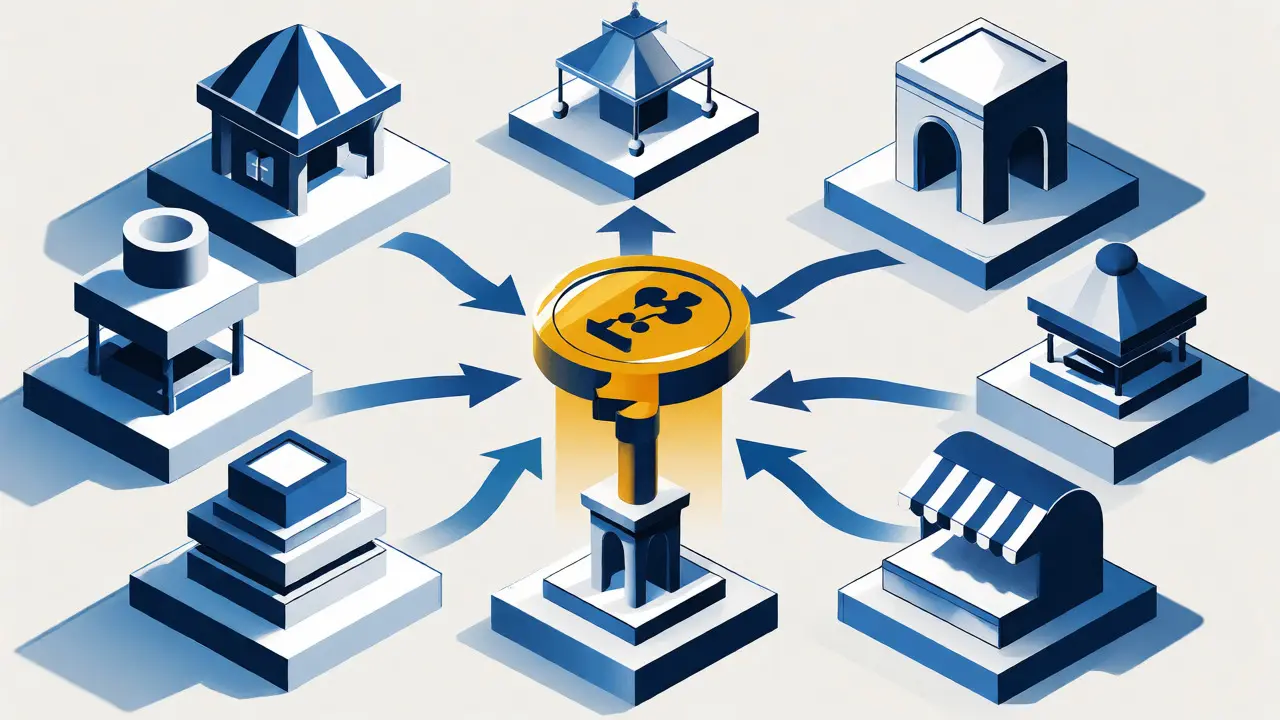
Everything changed in January 2018 with the publication of ERC-721. This was the first formal standard for non-fungible tokens on Ethereum. Before ERC-721, every developer wrote their own custom contract. If you made an NFT in one game, you couldn't sell it on another platform. ERC-721 fixed this by defining mandatory functions like balanceOf, ownerOf, and transferFrom.
Think of ERC-721 as the HTTP of digital art. It didn't create the web, but it gave everyone a common language to speak. Because of this standardization, platforms like OpenSea could emerge. They didn't need to write custom code for every new collection; they just needed to support ERC-721. Today, over 87% of NFT collections on Ethereum still use this standard. Why? Because it works. It’s simple, widely supported, and perfect for high-value items like Bored Apes or CryptoPunks, where each item is unique and expensive enough to justify the higher transaction costs.
But simplicity comes at a price. ERC-721 is inefficient. Every time you transfer a token, you pay full gas fees. If you want to send ten NFTs to a friend, you pay ten times the fee. For gamers who might transfer hundreds of swords or potions daily, this was a dealbreaker. Enter the next big leap.
The Efficiency Update: ERC-1155
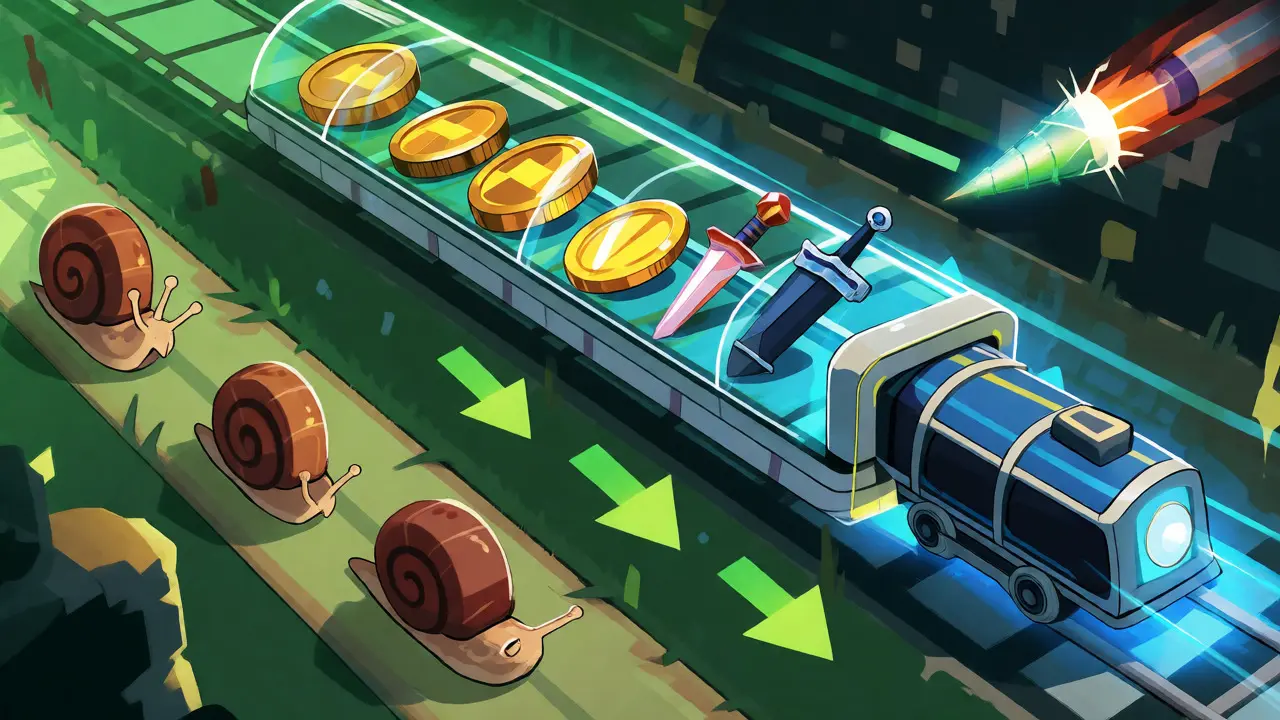
In June 2018, Witek Radomski from Enjin proposed ERC-1155. Unlike ERC-721, which treats every token as a unique individual, ERC-1155 is a multi-token standard. It allows a single smart contract to manage both fungible tokens (like gold coins in a game) and non-fungible tokens (like a unique sword).
The magic trick here is batching. With ERC-1155, you can transfer multiple different types of tokens in a single transaction. This reduces gas costs by up to 90% compared to doing them one by one with ERC-721. For example, Axie Infinity migrated millions of assets to ERC-1155 and cut their gas costs by 83%. If you’re building a game or a utility-based project where users interact with many items frequently, ERC-1155 is usually the better choice. It’s less about "owning a masterpiece" and more about "managing an inventory."