Exbitron Crypto Exchange Review: Is It Safe for Your Funds in 2026?
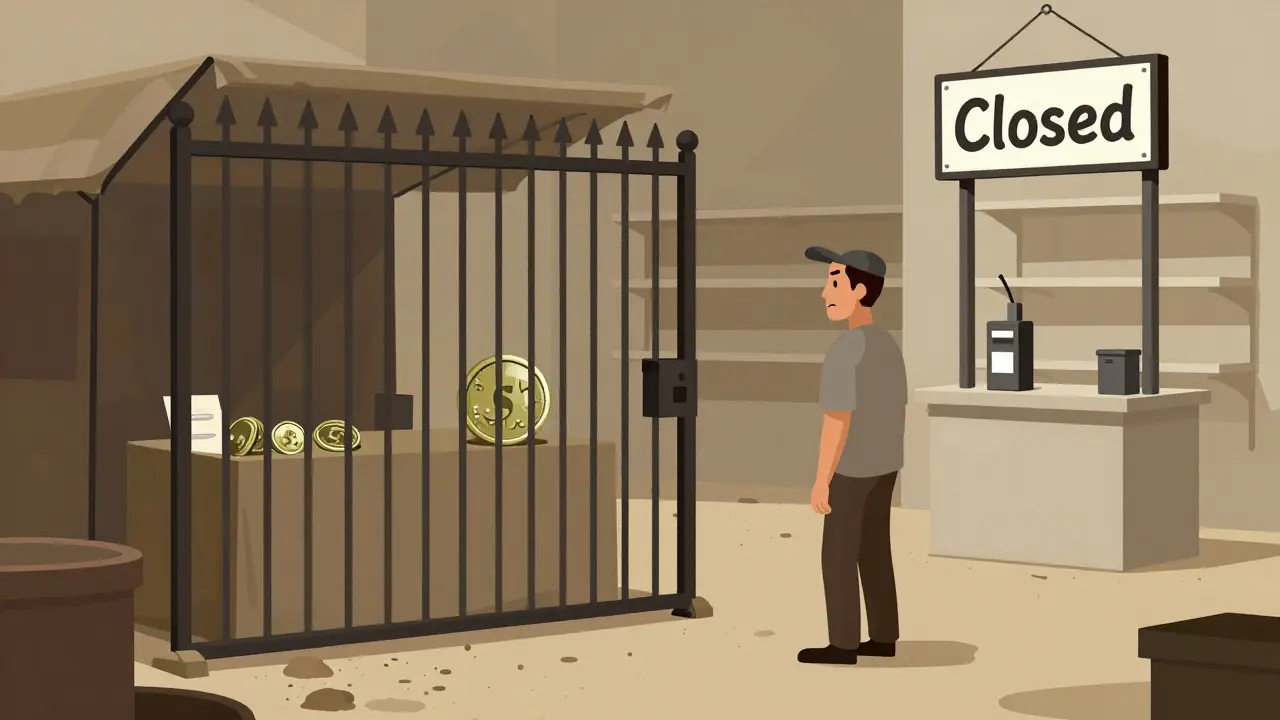
Imagine trying to buy a rare coin at a market where the only seller is sitting behind a closed gate, and the toll to enter is higher than the coin’s value. That is the reality of trading on Exbitron. Founded in May 2021 and registered in Germany, Exbitron is a centralized cryptocurrency exchange that focuses on listing niche and obscure altcoins rather than serving high-volume traders. For most people looking to trade Bitcoin or Ethereum, this platform does not make sense. But for holders of tiny, unknown tokens like MBC or YERB, it might be one of the few places left to trade them.
However, convenience comes with a steep price tag-not just in fees, but in risk. Recent data from early 2024 shows daily trading volumes as low as $7,300, trust scores of zero across major trackers, and persistent user complaints about frozen withdrawals. If you are wondering whether your money is safe here, the short answer is: proceed with extreme caution, if at all.
The Core Problem: Liquidity and Volume
When evaluating any exchange, liquidity is king. Without it, you cannot buy or sell quickly without moving the price drastically against yourself. Exbitron struggles severely in this area. According to Live Coin Watch data from February 2024, the total 24-hour volume on the platform was approximately $357. To put that in perspective, giants like Binance process over $15 billion daily. Even mid-tier exchanges handle millions per day.
This lack of volume creates a dangerous environment for traders. On Exbitron, order books for most pairs are labeled "not available." In specific examples, the MBC/USDT pair had only $2.00 in 24-hour volume, while RIN/USDT sat at $17.00. This means if you try to sell even a modest amount of these tokens, there may simply be no buyers. You could be holding an asset that has a listed price but no actual market exit strategy.
- Total Daily Volume: ~$357-$7,300 (varies by source/date)
- Listed Cryptocurrencies: 38-44 coins
- Primary Pairs: Mostly USDT-based pairs for obscure tokens
- Liquidity Depth: Extremely shallow; often nonexistent
If you are an active trader, this lack of depth makes execution nearly impossible. Slippage-the difference between expected price and executed price-would likely consume your entire position before the trade completes.
Fees: A Hidden Cost Trap
You might think low volume means lower costs, but Exbitron operates differently. The standard trading fee structure charges 0.40% for both maker and taker orders. Compare this to industry standards: Binance offers 0.10%, and Coinbase charges around 0.20% for smaller transactions. Exbitron’s fees are four times higher than the leading competitor.
For small trades, this percentage becomes prohibitive. If you trade $100 worth of a niche token, you pay $0.40 in fees. It sounds small, but when combined with wide spreads due to low liquidity, your effective cost can easily exceed 1-2%. Furthermore, listing new tokens on Exbitron costs a flat fee of 0.006 BTC. While this attracts project developers seeking exposure, it does nothing to help retail traders save money.
| Exchange | Maker/Taker Fee | Daily Volume (Approx.) | Mobile App | Trust Score |
|---|---|---|---|---|
| Exbitron | 0.40% | $7,300 | No | 0/100 |
| Binance | 0.10% | $15 Billion+ | Yes | High |
| Coinbase | 0.20% | $1 Billion+ | Yes | 4.7/5 (Trustpilot) |
| Kraken | 0.16% - 0.26% | $500 Million+ | Yes | 4.3/5 (Trustpilot) |
Withdrawal fees appear minimal on paper, but the real cost lies in processing times and reliability, which we will cover next.
Security and Trust: Red Flags Everywhere
Security is not just about encryption; it is about transparency and regulatory compliance. Exbitron uses HTTPS and claims DDoS protection, which are basic requirements for any website today. However, the platform lacks critical trust indicators that serious investors look for.
First, there is no proof-of-reserves documentation. Major exchanges publish monthly audits showing they hold 1:1 reserves for user funds. Exbitron has not provided this. Second, it lacks formal licensing from major authorities. Although registered in Germany, it has not obtained full approval from BaFin, the German financial regulatory authority. Since Q4 2023, BaFin has intensified enforcement against unlicensed crypto platforms, making Exbitron’s status legally precarious.
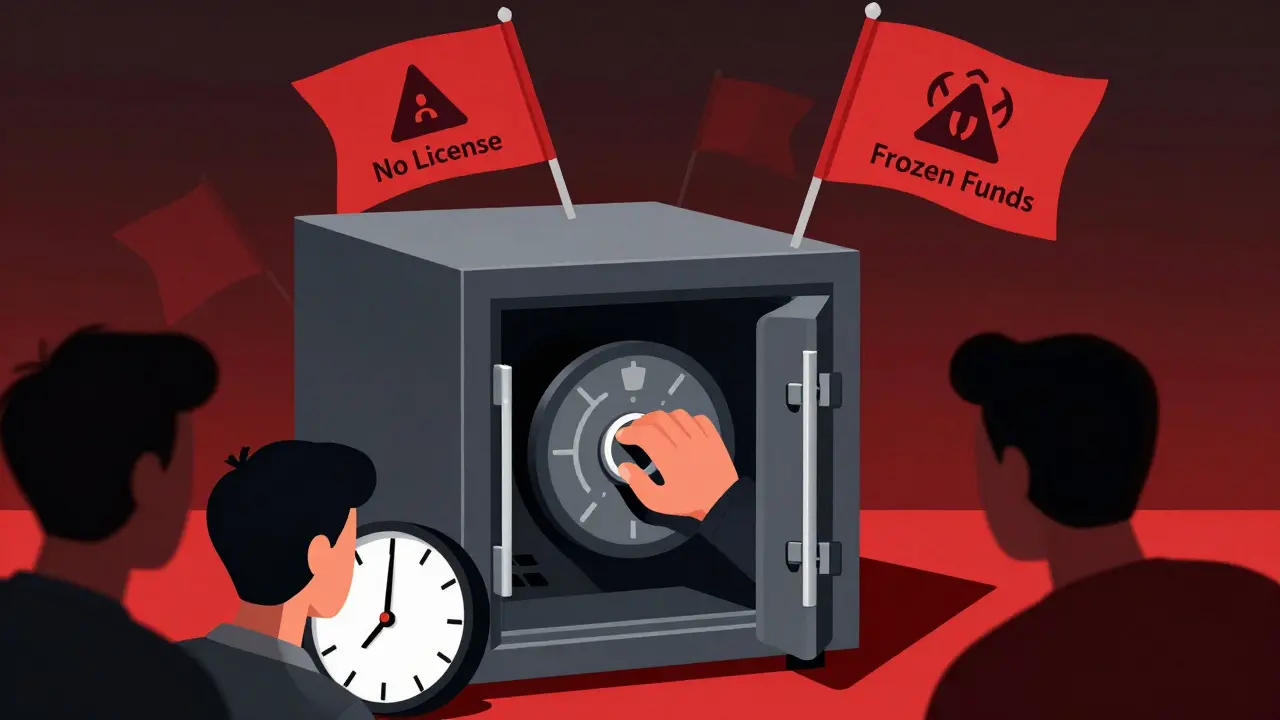
More alarmingly, there are documented security incidents. A YouTube video titled "EXBITRON EXCHANGE HACKED!!!" published by Rabids Mining in January 2023 alleged a breach compromising user assets. Exbitron never officially confirmed or denied this event. Additionally, Live Coin Watch issued a warning on February 2, 2023, stating, "Exbitron claims to have lost users' funds." No official recovery plan or post-mortem analysis has been released since.
CipherTrace, a blockchain analytics firm, noted in March 2023 that unlicensed exchanges like Exbitron represent "high-risk environments for retail investors due to absent consumer protections." When an exchange operates without oversight, you have no recourse if things go wrong.
User Experience: Support That Doesn't Respond
Let’s talk about what happens when you actually try to use the platform. The interface is simple, almost rudimentary. There is no mobile application; everything must be done via a web browser. For some, this simplicity is appealing. For others, it feels outdated.
The biggest issue is customer support. According to Trustpilot data from January 2024, Exbitron holds an average rating of 2.3 out of 5 based on 31 verified reviews. The most common complaint? Frozen withdrawals. Fourteen reviewers reported their funds being stuck, with processing times averaging 14.7 days. Some users waited over two weeks for verification alone.
"My withdrawal request from December 28, 2023 remains pending. Support responses are automated and unhelpful. I believe this is a scam operation." - Mike T., Trustpilot Review, Feb 5, 2024
Reddit discussions echo these sentiments. In October 2023, user u/CryptoLoser99 posted about losing $350 in withdrawals, receiving 127 upvotes and 43 comments from others sharing similar stories. The average response time for initial contact is 72 hours, compared to the industry standard of under 24 hours. Resolution rates hover below 25%.
If you need quick access to your funds, Exbitron is not the place to be. The KYC (Know Your Customer) process itself can take 24-72 hours according to their docs, but users report delays exceeding two weeks. This friction suggests either poor infrastructure or intentional barriers to exiting the platform.
Who Should Use Exbitron? (And Who Should Avoid It)
Is Exbitron completely useless? Not entirely. Its primary value proposition is accessibility for obscure tokens. If you hold a micro-cap coin like YERB, BTCS, or CPAY that isn’t listed on Binance or Coinbase, Exbitron might be your only option. One Reddit user, u/NicheTokenFan, noted in January 2024: "Exbitron is the only place I can trade YERB, so despite slow withdrawals, I keep a small balance there."
However, this comes with severe limitations:
- Only for Micro-Trades: Due to thin liquidity, large orders will fail or crash prices.
- High Risk Tolerance Required: You must accept the possibility of losing funds due to hacks, freezes, or insolvency.
- No Long-Term Storage: Never leave significant assets on Exbitron. Treat it as a transit hub, not a wallet.
For anyone else-active traders, institutional investors, or beginners seeking reliability-Exbitron is not recommended. Industry analysts at Delphi Digital projected in January 2024 that unregulated platforms with sub-$1,000 daily volume face near-certain extinction within 18-24 months due to regulatory crackdowns.
Better Alternatives for Niche Tokens
If you need to trade obscure altcoins but want better security and liquidity, consider these alternatives:
- Uniswap: A decentralized exchange (DEX) that allows trading of any ERC-20 token directly from your wallet. No KYC, no custody risk, though gas fees can be high.
- KuCoin: Known as the "people’s exchange," KuCoin lists many altcoins not found on Binance, with significantly higher volume and better support.
- Gate.io: Another strong contender for niche tokens, offering deep liquidity and regular listings of new projects.
These platforms offer more robust security measures, transparent fee structures, and responsive support teams. They also comply with varying degrees of regulatory oversight, providing some level of consumer protection.
Final Verdict: Proceed With Extreme Caution
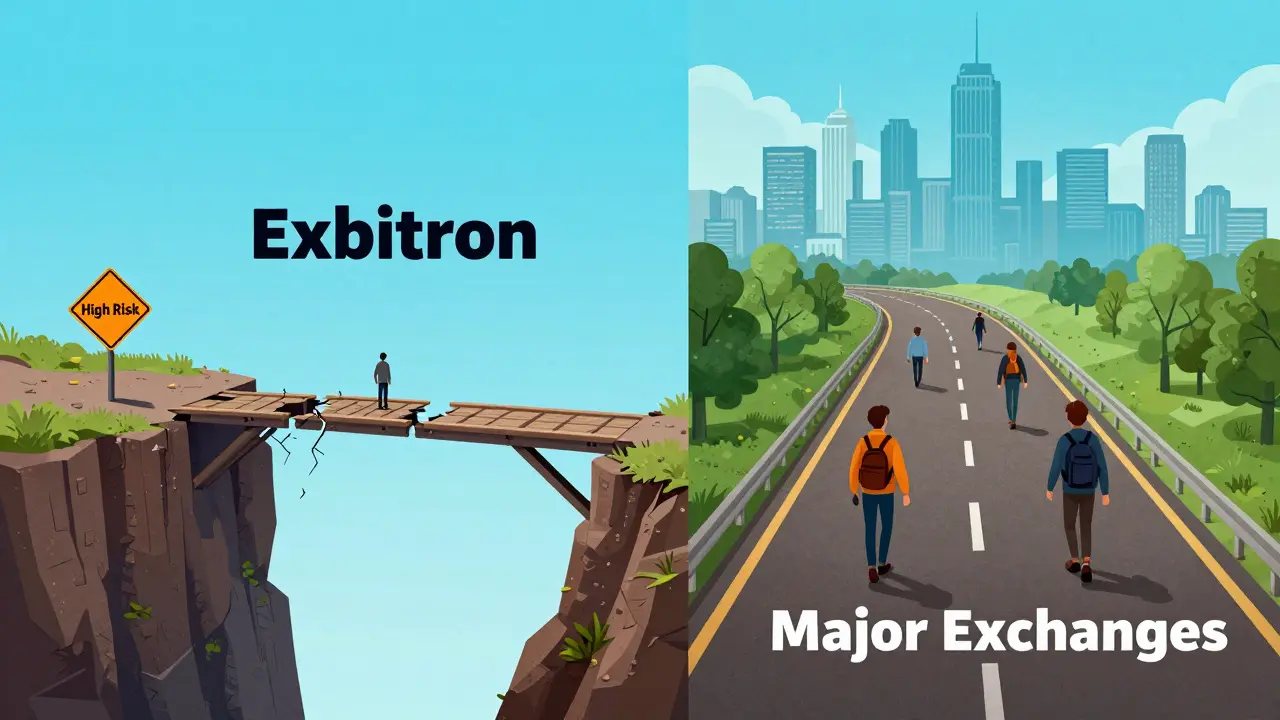
Exbitron fills a very narrow gap in the crypto ecosystem: providing a marketplace for tokens too small for major exchanges. But that gap comes with enormous risks. Between the lack of licensing, history of alleged hacks, frozen withdrawals, and abysmal support, the platform fails to meet basic standards of trust and reliability.
If you must use Exbitron, follow these rules strictly:
- Never deposit more than you can afford to lose.
- Withdraw profits immediately after trading.
- Use hardware wallets for long-term storage of any tokens acquired.
- Monitor regulatory news closely; the platform could cease operations without warning.
In a market dominated by secure, compliant giants, Exbitron stands out only for its danger. As Messari’s January 2024 report concluded, exchanges with Exbitron’s profile have less than a 15% probability of remaining operational beyond Q3 2024. Time is running out for this platform, and your funds should not be part of its final chapter.
Is Exbitron a legitimate exchange?
Exbitron is a registered entity in Germany, but it lacks proper licensing from financial regulators like BaFin. While it operates as a functional exchange for niche tokens, its legitimacy is questioned due to unresolved security incidents, lack of proof-of-reserves, and numerous user complaints about frozen funds. It is considered high-risk by industry experts.
Why are my withdrawals stuck on Exbitron?
Many users report withdrawal delays ranging from 14 days to several weeks. Common reasons include manual verification processes, technical issues, or potential liquidity constraints. Given the platform's low volume and lack of transparent communication, there is always a risk that funds may not be returned promptly or at all.
Can I trade Bitcoin or Ethereum on Exbitron?
While Exbitron may list major cryptocurrencies, it is not designed for trading them. The platform focuses on obscure altcoins with extremely low liquidity. For Bitcoin or Ethereum, you should use established exchanges like Binance, Coinbase, or Kraken, which offer better fees, security, and volume.
Did Exbitron get hacked?
There are allegations of a security breach documented in a January 2023 YouTube video and warnings from Live Coin Watch stating the exchange "claims to have lost users' funds." Exbitron has not officially confirmed or detailed this incident, leaving users uncertain about the safety of their assets.
What are the fees on Exbitron?
Exbitron charges a flat 0.40% fee for both maker and taker orders. This is significantly higher than major competitors like Binance (0.10%) or Coinbase (0.20%). Withdrawal fees are minimal, but hidden costs arise from slippage due to low liquidity and potential delays in processing.
Is Exbitron regulated?
No, Exbitron is not fully regulated. Although registered in Germany, it does not hold a license from BaFin or other major financial authorities. This lack of regulation means users have no legal recourse in case of fraud, insolvency, or operational failures.
How does Exbitron compare to Binance?
Binance dwarfs Exbitron in every metric. Binance handles billions in daily volume, offers advanced trading tools, has strict security protocols, and provides responsive support. Exbitron has minimal volume, basic features, and significant trust issues. Binance is suitable for all types of traders; Exbitron is only viable for those forced to trade extremely niche tokens.