FTX Crypto Exchange Review: How a Billion-Dollar Platform Crashed and What It Teaches Us
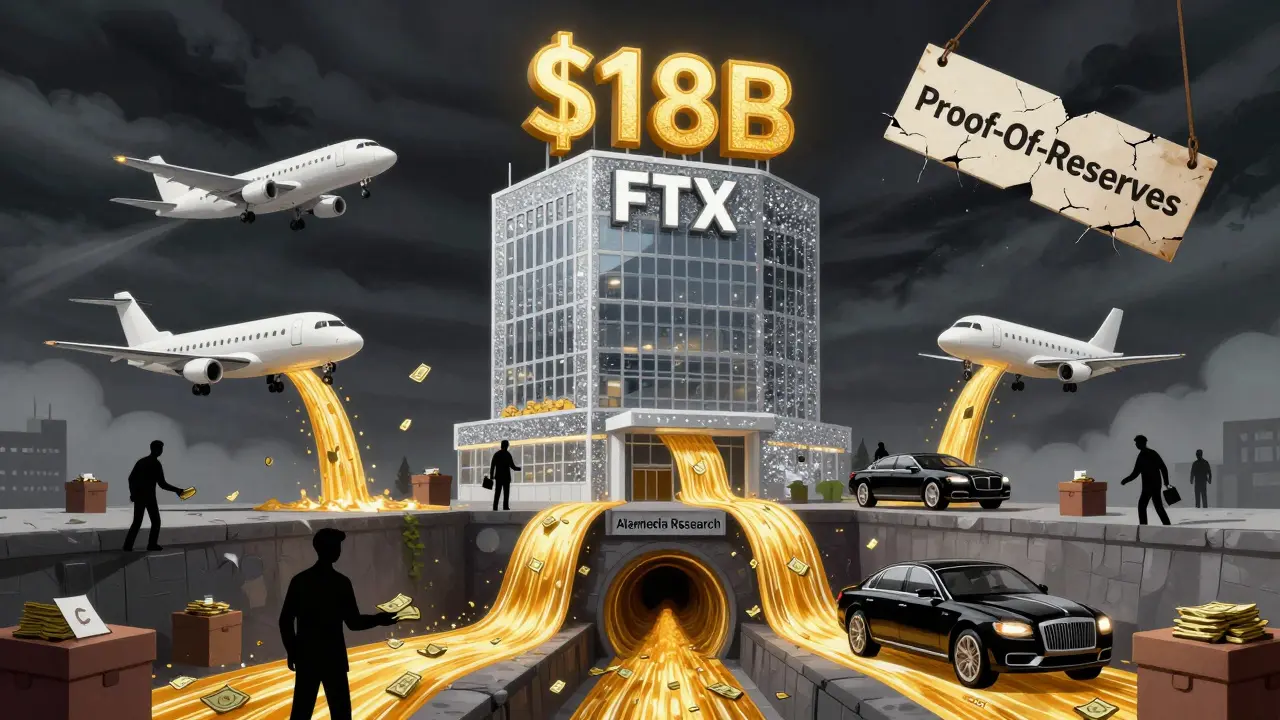
FTX wasn’t just another crypto exchange. At its peak, it was the fourth-largest in the world, with $15 billion in daily trading volume, a $18 billion valuation, and a flashy name on the Miami Heat’s arena. It had futures trading, leveraged tokens, prediction markets, and even tokenized stocks. But by November 2022, it was gone. Not just shut down - collapsed. And $8 billion in customer money vanished with it.
How FTX Grew So Fast
FTX launched in May 2019 by Sam Bankman-Fried. It didn’t start big. But it moved fast. It offered features no other exchange had at the time: futures settled in stablecoins (not BTC or ETH), which made margin trading cheaper and simpler. It had index futures like the "Shitcoin Index" and "Altcoin Index" - letting traders bet on entire crypto sectors instead of single coins. It even had "Move contracts," letting you bet on whether a coin would rise or fall by a certain amount within a time window. Its native token, FTT, gave users discounts on trading fees and voting rights on platform changes. That made FTT valuable. And that’s where things got dangerous. FTX wasn’t just an exchange. It was tied to Alameda Research, a crypto trading firm also run by Bankman-Fried. Alameda used FTT as collateral for billions in loans. That meant if FTT’s price dropped, Alameda would be in trouble. And if Alameda got in trouble, FTX would be too - because they weren’t separate. They were one company with two names.The Fatal Flaw: No Separation Between Customer Funds and Corporate Cash
This is the core lesson of FTX: if you can’t prove your customers’ money is safe, it’s not safe. FTX claimed to store customer funds in cold wallets - offline, secure, untouched. It said it had insurance. It even had a "proof-of-reserves" system, which sounds good - until you realize it was just a self-reported spreadsheet. The truth? Customer deposits were being moved directly to Alameda Research’s accounts. Not loaned. Not borrowed. Stolen. Alameda used those funds to make risky trades, buy real estate, donate to politicians, and fund lavish lifestyles. Bankman-Fried reportedly spent $10 million on a private jet. He also gave $100 million in campaign donations. When CoinDesk published a leaked balance sheet on November 2, 2022, showing Alameda had $9 billion in liabilities and only $900 million in assets - with most of it in FTT - panic hit. FTT’s price started falling. Customers rushed to withdraw. FTX didn’t have the cash. It couldn’t cover even 10% of the withdrawals.The Collapse: 72 Hours That Changed Crypto
On November 8, 2022, Binance announced it was buying FTX to save it. That should’ve been a lifeline. Instead, it was the final nail. Within 24 hours, Binance backed out after seeing more evidence of fraud. FTX then blocked all withdrawals. No more "withdraw" button. No more access. The website said: "We’re having technical difficulties." On November 11, FTX filed for Chapter 11 bankruptcy. That same day, hackers drained over $600 million from FTX wallets - not because of a hack, but because the exchange had already emptied its own accounts. FTX posted on Telegram: "FTX has been hacked. FTX apps are malware. Delete them." By then, over 1 million users had lost money. The average account held $15,000. Total losses: $8 billion.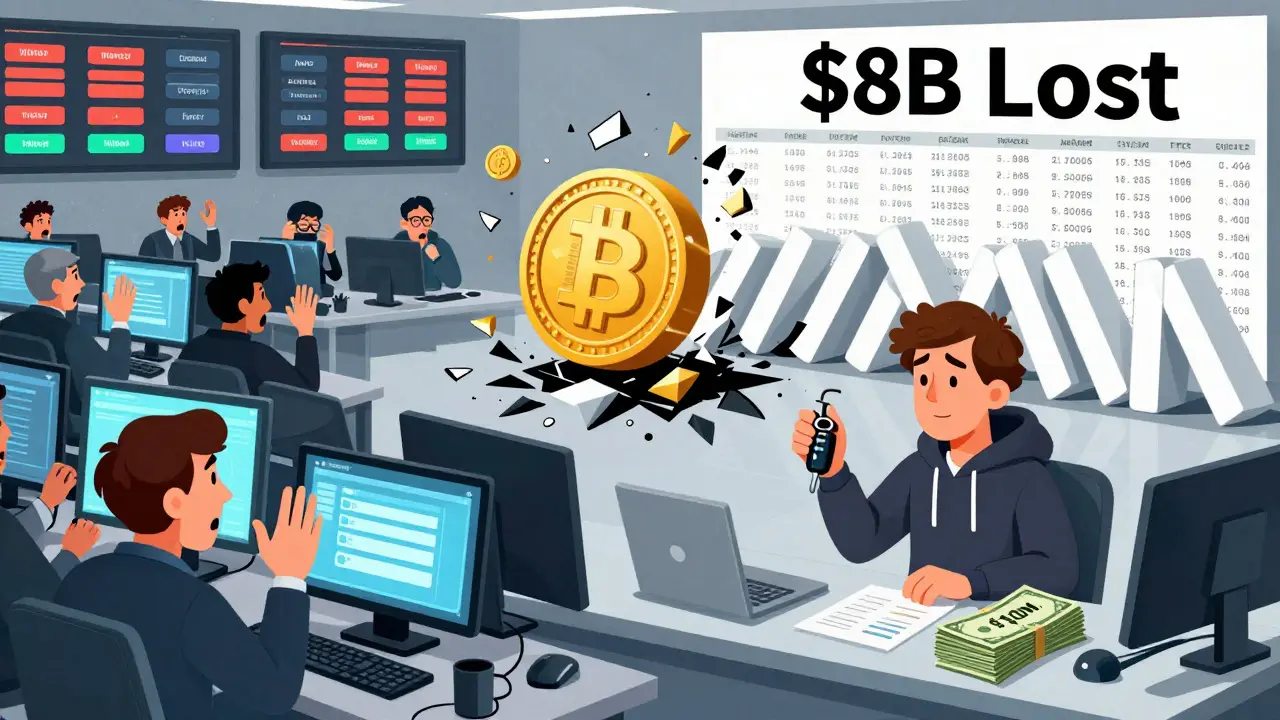
What Happened After the Collapse
The fallout was global. - Bitcoin dropped to $15,592 - its lowest in two years. - BlockFi, a crypto lender, filed for bankruptcy days later. - FTX’s U.S. arm, FTX.US, shut down too. - The Miami Heat arena was renamed. The Formula 1 sponsorship was canceled. - The U.S. Securities and Exchange Commission charged Bankman-Fried with wire fraud, securities fraud, money laundering, and conspiracy. - Caroline Ellison, former CEO of Alameda, pleaded guilty in December 2023. - Bankman-Fried was sentenced to 25 years in prison on March 28, 2024. The bankruptcy trustee has recovered $16 billion in assets - from crypto holdings to real estate to NFTs. But only a fraction of that will go to customers. Estimates suggest users might get back 20% to 40% of what they lost. The rest goes to creditors, lawyers, and regulators.What FTX Got Right - Before It All Fell Apart
Let’s be fair: before the fraud, FTX had strengths. - Its trading interface was clean and powerful, with advanced order types like limit, stop-limit, and trailing stops. - Fees were low: 0.05% for makers, 0.1% for takers. - It supported staking for over 50 coins. - Its mobile app was smooth, with 1.2 million downloads before being pulled from app stores. - It had detailed documentation, API access, and educational content. But none of that mattered when the money was gone. No amount of good UX can fix bad ethics.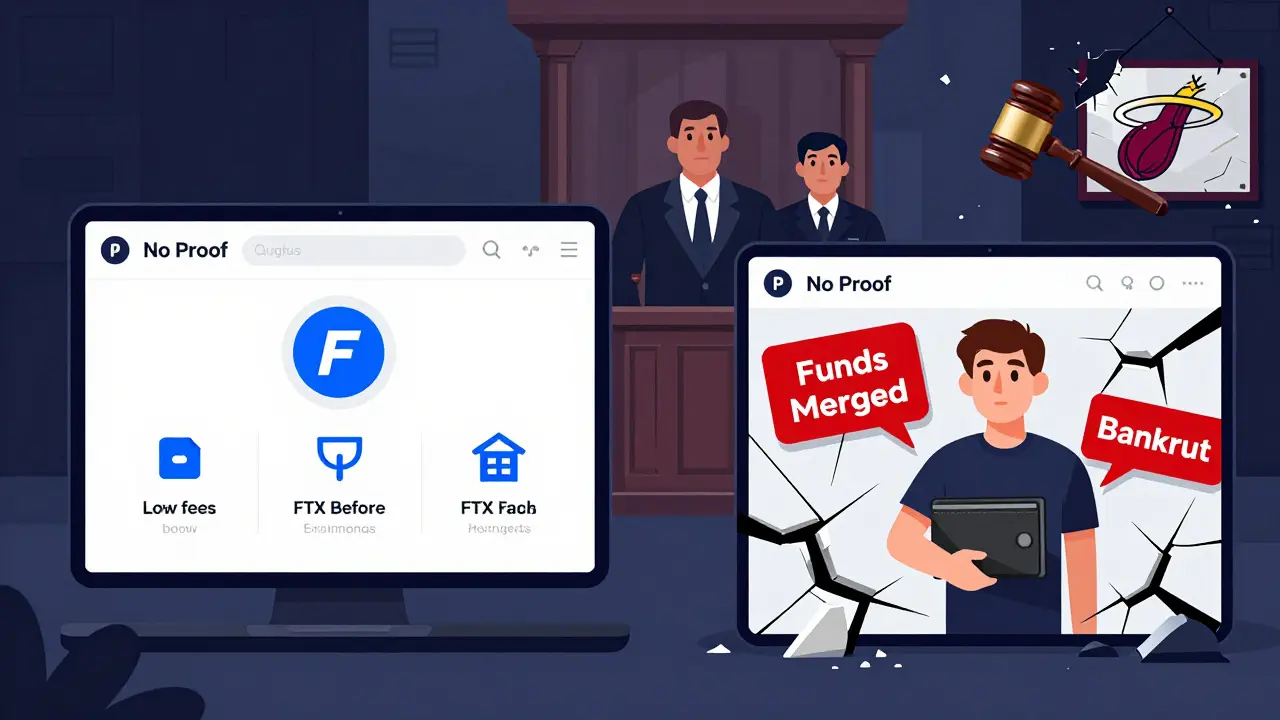
How FTX Changed the Crypto Industry
FTX didn’t just die. It forced change. Before FTX, most exchanges didn’t prove they had customer funds. After FTX? Now they have to. - Coinbase now publishes monthly proof-of-reserves. - Kraken and Binance do too. - The European Union’s MiCA regulations now require exchanges to segregate customer funds. - The U.S. is pushing the Digital Commodities Consumer Protection Act - which would make fund segregation mandatory. FTX taught us: if you can’t prove you’re solvent, you’re not trustworthy. It also showed that centralized exchanges are still vulnerable - even the ones with fancy tech and celebrity sponsors.Should You Use FTX Now?
No. FTX doesn’t exist anymore. The website is offline. The app is gone. The servers are being auctioned off. The FTX brand is dead. The only thing left is the legal mess - and the billions of dollars that will never come back. If you’re looking for a crypto exchange today, ask these questions:- Do they publish regular proof-of-reserves?
- Is customer money kept separate from corporate funds?
- Do they have third-party audits?
- Have they ever been involved in a scandal?
What FTX Taught Us About Crypto
Crypto isn’t about the tech. It’s about trust. FTX had the best technology. The best branding. The best marketing. But it had zero transparency. And in crypto - where you’re not dealing with banks or governments - trust is the only thing that holds everything together. The collapse didn’t just hurt users. It hurt the whole industry. Legitimate exchanges lost trust. New investors got scared. Regulators came down hard. FTX didn’t fail because it was too ambitious. It failed because it was dishonest. And that’s the real lesson: in crypto, you can’t fake integrity.Is FTX still operating?
No. FTX ceased operations in November 2022 and filed for bankruptcy. In January 2024, the company confirmed it would not restart. All assets are being liquidated, and customer funds are being returned in partial installments - likely between 20% and 40% of what was lost.
What happened to the FTT token?
FTT, FTX’s native token, collapsed along with the exchange. Before the crash, it was worth over $80. By November 10, 2022, it was trading for less than $1. Today, it’s essentially worthless. Trading pairs were delisted from all major exchanges, and the token’s smart contract has been frozen.
How much money did users lose?
Approximately $8 billion in customer funds disappeared. This came from over 1 million accounts. The average balance was around $15,000. The bankruptcy trustee has recovered $16 billion in total assets, but most of that belongs to creditors, not customers. Customers will likely get back only a fraction of what they lost.
Was FTX hacked?
No. The $600 million drained on November 11, 2022, wasn’t a hack - it was a withdrawal. FTX had already moved customer funds to Alameda Research’s accounts. When the collapse hit, those funds were gone. What looked like a hack was just the final drain of empty wallets.
Could this happen again?
It could - but it’s much harder now. After FTX, exchanges are under pressure to prove they have customer funds. Many now publish proof-of-reserves monthly. Regulators are watching closer. But if an exchange doesn’t disclose its finances, doesn’t segregate funds, or has ties to a trading firm, the risk remains. Always assume your money is at risk - until you see verified proof.


AJITH AERO
So FTX was basically a luxury car with no engine and a guy who thought the steering wheel was a good investment. Classic. 🤡
Geet Kulkarni
Oh honey, this is why I don’t trust any exchange that doesn’t have a 100% on-chain audit with a live feed. FTT? More like FTT - ‘F**k That Token.’ 💔
Paul David Rillorta
wait… so the guy who gave $100M to politicians was ALSO the guy who stole $8B? conspiracy? or just… capitalism? 🤔
andy donnachie
It’s worth noting that the real failure wasn’t just fraud - it was the complete absence of basic financial controls. No segregation of funds? No third-party audits? That’s not negligence. That’s incompetence on a systemic level.
Andrew Edmark
For anyone who lost money here - I’m so sorry. This isn’t just about crypto. It’s about trust being weaponized. We all want to believe in something bigger. But when the people in charge don’t care… it breaks more than wallets.
Nicole Stewart
FTX was a cult with a trading platform
Alan Enfield
FTX had the UI of a bank and the ethics of a street magician. The fact that people thought ‘Move contracts’ were real financial instruments says more about us than about them.
Jennifer Riddalls
you know what sucks? when you put your life savings into something because the app was pretty and the CEO looked like he just stepped out of a Stanford dorm. we all got played.
Kyle Tully
the real tragedy? people still don’t get it. they’re already back on Binance, Kraken, Coinbase - same model, same blind trust. we’re just waiting for the next Sam to show up with a better hoodie and a bigger jet.
kieron reid
let’s be real - 90% of crypto users didn’t even know what a proof-of-reserves was. they just saw a celebrity on a billboard and thought ‘this is the future.’ now they’re crying over a token that’s worth less than a meme.
Nikki Howard
FTX didn’t collapse because of greed. It collapsed because of narcissism. The entire brand was built on Sam’s ego - and when the ego cracked, so did the foundation. This was never about finance. It was about fame.
Jenn Estes
and yet… people still say ‘crypto is the future.’ if the future looks like this - I’ll take my savings and my dignity and go live in a cabin.
Angela Henderson
i remember when ftx had that giant billboard in miami and i thought, ‘wow, this is legit.’ then i looked up who owned it and realized the whole thing was built on a single person’s word. i felt so dumb. and now i’m just… numb.
Lauren Brookes
what’s wild is that the only thing that changed after ftx was the *appearance* of transparency. exchanges still don’t prove anything real - they just post fancy charts. if you can’t see the actual wallets, you’re still trusting a spreadsheet. and spreadsheets lie.
Chris Thomas
the ‘proof-of-reserves’ movement is a placebo. it’s not audited by independent third parties - it’s a signed attestation from the exchange itself. that’s like asking your ex if they still love you and believing them because they said it in a tweet.
James Breithaupt
the cultural impact of ftx is underrated. it turned crypto from a tech movement into a celebrity cult. now every exchange has a sponsor, a billboard, and a founder who talks like a TED Talk robot. we lost the ethos - and gained a logo.
Sarah Shergold
FTX? More like F*CKED. 💅✨
JJ White
you think this was about fraud? nah. this was a psychological experiment. how many people will give their money to someone who smiles and says ‘trust me’? answer: 1 million. and now they’re begging for crumbs. tragic. beautiful. predictable.
Avantika Mann
if you’re new to crypto and you’re scared after ftx - that’s okay. ask questions. don’t rush. look for exchanges that publish real audits, not just pretty graphs. you don’t need to be rich - you just need to be careful.
george chehwane
the real lesson? decentralized finance isn’t dead - it’s just waiting for centralized entities to collapse under the weight of their own hubris. blockchain doesn’t need ftx. ftx needed blockchain to look legitimate.
Charrie VanVleet
to everyone who lost money - you’re not alone. we’re all learning. the next time you see a shiny new platform with a celebrity endorsement? pause. breathe. ask: ‘who’s really behind this?’
Scott McCrossan
FTX was a pyramid scheme with a trading interface. the only difference? the top of the pyramid was a guy with a $10M jet and a 25-year sentence.
Rajib Hossaim
the collapse of FTX should serve as a sobering reminder that financial systems, even digital ones, require institutional safeguards. absence of regulation does not imply freedom - it implies vulnerability.