How Nepalis Use Cryptocurrency Despite the Ban: Methods, Risks & Realities
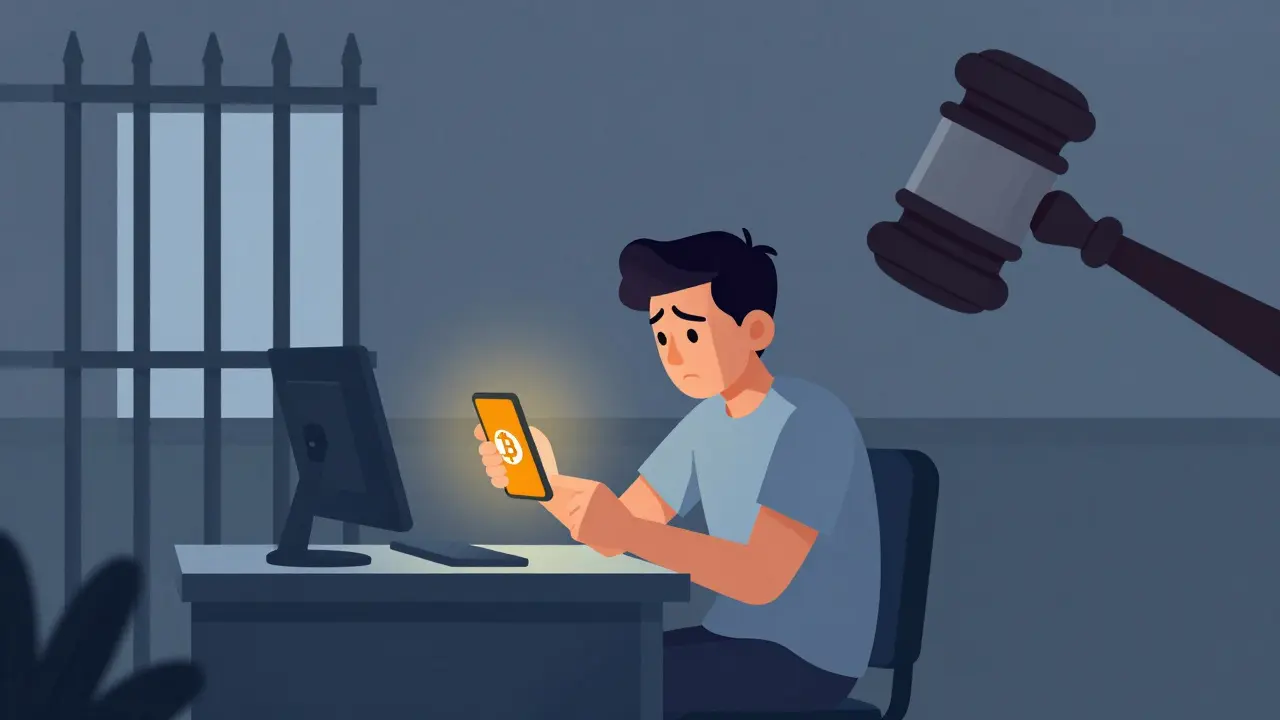
Imagine sending money to your family back home, but instead of paying high fees and waiting days for a bank transfer, you send it instantly via Bitcoin. Now imagine that doing this simple act could land you in prison for up to three years. This is the reality for millions of people living in Nepal, a country with one of the strictest cryptocurrency bans in Asia.
The government says digital assets are illegal. The law says trading, mining, or even holding them is a crime. Yet, if you look closely at the digital behavior of young Nepalis, especially those working abroad, you’ll see a thriving underground economy. They aren’t just ignoring the rules; they’ve built sophisticated ways to bypass them. Why? Because the traditional system is failing them.
The Iron Fist: Understanding the Legal Landscape
To understand why people risk so much, you first need to understand what they’re risking. In Nepal, the prohibition isn’t a vague guideline; it’s a hard wall. The Nepal Rastra Bank (NRB), the nation's central bank, has issued multiple directives since September 2021 declaring all cryptocurrency activities illegal. This includes buying, selling, mining, and using crypto as a medium of exchange.
The legal basis comes from the Foreign Exchange Regulation Act (2019), which gives the NRB power to control foreign currency transactions. Since cryptocurrencies are viewed as unregulated foreign exchange instruments, they fall under this ban. But it doesn’t stop there. The Electronic Transaction Act (ETA) of 2063 is often used to prosecute cybercrimes related to digital fraud.
If caught, the penalties are severe:
- Imprisonment: Up to three years depending on the severity of the offense.
- Fines: Up to three times the amount involved in the transaction.
- Asset Confiscation: Authorities can seize wallets, hardware devices, and any physical assets linked to the illicit gains.
High-profile arrests in Kathmandu have sent a clear message: the state is watching. So why do people still do it?
The Remittance Trap: Why Traditional Banking Fails
Nepal’s economy is heavily dependent on remittances. Money sent home by Nepalis working in the Gulf, Malaysia, and other parts of Asia accounts for a significant portion of the country’s GDP. For decades, families relied on traditional banks and money transfer services like Western Union or MoneyGram.
But these systems are broken for many users. Fees can eat up 5% to 10% of the total amount sent. Transfers can take anywhere from two days to a week. During emergencies-like when a relative falls ill or needs urgent school fees-this delay is unacceptable.
Cryptocurrency offers a stark contrast. Sending Bitcoin or USDT (Tether) across borders takes minutes, not days. The fees are often less than $1, regardless of whether you’re sending $100 or $10,000. For a migrant worker earning low wages, saving even 2% on every transfer adds up to thousands of dollars over time. That’s real money for their family’s survival.
This economic pressure creates a powerful incentive to break the law. It’s not about speculation or getting rich quick; it’s about efficiency and necessity.

How Nepalis Bypass the Ban: The Underground Toolkit
Since no official exchanges operate in Nepal, citizens have turned to decentralized and peer-to-peer methods. Here is how the underground ecosystem actually works:
- Peer-to-Peer (P2P) Platforms: Many Nepalis use global P2P platforms like Binance P2P, Binance Peer-to-Peer Trading or LocalBitcoins (though now largely defunct, its legacy remains). Users create accounts using passports from other countries or trusted intermediaries. They connect with sellers who accept payments via local bank transfers or mobile wallets.
- Moble Wallets as Bridges: Services like eSewa and Khalti are dominant in Nepal. While they don’t support crypto directly, scammers and underground traders use them to facilitate fiat off-ramps. A buyer sends NPR (Nepalese Rupees) to eSewa, and the seller releases crypto to the buyer’s external wallet.
- Stablecoins for Stability: Most users avoid volatile coins like Bitcoin for daily transactions. Instead, they prefer USDT (Tether) or USD Coin (USDC). These stablecoins are pegged to the US Dollar, meaning the value doesn’t swing wildly while the transaction is being processed. This makes them ideal for remittances.
- Decentralized Exchanges (DEXs): For those more tech-savvy, platforms like Uniswap or PancakeSwap allow trading without identity verification (KYC). Users connect their private wallets directly to these platforms, swapping tokens anonymously.
The key here is anonymity. No one wants to leave a paper trail linking their Nepali bank account to a crypto transaction. Hence, the reliance on cash-like digital flows through third parties.
The Risks: Fraud, Scams, and No Recourse
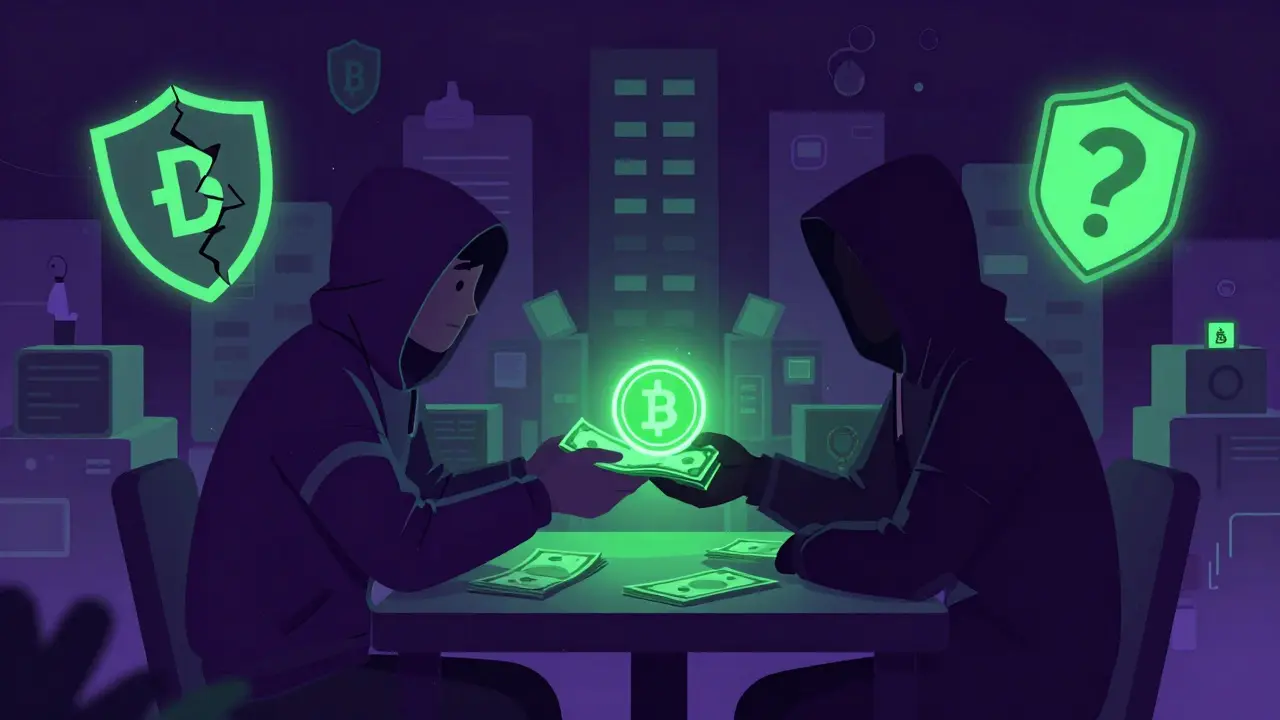
Operating in the shadows comes with a heavy price tag. When you trade outside the law, you also lose legal protection. If a seller on a P2P platform takes your money and disappears, you cannot call the police. Reporting a crypto scam means admitting you were engaging in illegal activity, which could lead to your own arrest.
This lack of recourse has led to a surge in localized scams. Common tactics include:
- Phishing Links: Fake websites mimicking Binance or Trust Wallet designed to steal seed phrases.
- Counterfeit Apps: Android apps downloaded from unofficial sources that drain wallets upon connection.
- Trust-Based Betrayal: Friends or acquaintances promising to hold crypto for a fee, then vanishing with the funds.
Furthermore, the volatility of the market poses risks. Even if you convert to a stablecoin, the bridge between fiat and crypto is fragile. If a major exchange freezes withdrawals or gets hacked, your money can be stuck indefinitely.
Government Response: CBDC vs. Crypto
The Nepali government argues that the ban protects citizens from financial instability and money laundering. Their solution isn’t to regulate crypto, but to replace it with a state-controlled alternative: the Central Bank Digital Currency (CBDC).
The NRB has announced plans to launch a CBDC within the next few years. Unlike Bitcoin or Ethereum, a CBDC would be fully centralized, traceable, and controlled by the state. It aims to provide the speed and convenience of digital payments while maintaining strict oversight over capital flows.
However, critics argue that a CBDC does not solve the core issue. Migrant workers want freedom from banking hours and high fees. A CBDC might offer speed, but it will likely come with its own restrictions, limits, and surveillance capabilities that many users find intrusive.
| Feature | Traditional Remittance | Underground Crypto |
|---|---|---|
| Speed | 2-7 Days | Minutes |
| Cost | High ($10-$50+ per transfer) | Low ($0.10 - $2.00) |
| Legality | Legal | Illegal (Penalties apply) |
| Security | Bank insured/Protected | No recourse if scammed |
| Accessibility | Requires Bank Account | Requires Smartphone & Internet |
The Future: Will the Ban Hold?
As of 2026, the ban remains absolute. However, the pressure is mounting. With a large youth population increasingly interested in blockchain technology and a massive diaspora demanding better financial tools, enforcement is becoming harder.
Global trends are shifting too. Neighboring countries like India and Bangladesh have moved toward regulation rather than outright prohibition. Nepal’s isolation in this regard may change as international pressure grows and the black market expands.
For now, the situation is a tense standoff. The government holds the legal power, but the people hold the practical need. Until a safe, legal, and efficient alternative emerges-one that respects both national sovereignty and individual financial freedom-the underground crypto economy in Nepal will likely continue to grow in the shadows.
Is it legal to own cryptocurrency in Nepal?
No. According to the Nepal Rastra Bank and the Foreign Exchange Regulation Act (2019), owning, trading, mining, or using cryptocurrency is completely illegal in Nepal. Violators face imprisonment, fines, and asset confiscation.
Why do Nepalis use crypto if it is banned?
The primary driver is cross-border remittances. Traditional banking methods are slow and expensive. Crypto offers faster transfers with significantly lower fees, making it an attractive option for migrant workers sending money home despite the legal risks.
What are the penalties for crypto trading in Nepal?
Penalties include up to three years in prison, fines up to three times the transaction amount, and confiscation of assets. Cases are often prosecuted under the Electronic Transaction Act (ETA) 2063.
How do people buy crypto in Nepal without KYC?
Users typically rely on Peer-to-Peer (P2P) platforms like Binance P2P, using fake IDs or trusted intermediaries. Others use Decentralized Exchanges (DEXs) that do not require identity verification, connecting directly via private wallets.
Will Nepal legalize cryptocurrency in the future?
Currently, there are no plans to legalize private cryptocurrencies. Instead, the Nepal Rastra Bank is focusing on developing a Central Bank Digital Currency (CBDC) to provide digital payment solutions while maintaining state control.
What are the biggest risks of using underground crypto?
The biggest risks include fraud and scams with no legal recourse, loss of funds due to technical errors, and potential criminal prosecution by the Nepali government. Since transactions are illegal, victims cannot report crimes to the police.


pankaj chawla
Look, I get the frustration with Western Union fees eating up your hard-earned cash, but breaking the law isn't the solution. We need to push for policy change, not create a black market that hurts everyone in the end.
Manish Prajapat
The philosophical dilemma here is interesting. When the state fails to provide basic financial infrastructure, does the citizen have a moral obligation to obey its laws? It reminds me of civil disobedience movements. The people aren't trying to overthrow the government; they are just trying to feed their families without losing half their income to intermediaries. It is a survival mechanism, not a rebellion.
Charles Pawlikowski
this is exactly why we need strong borders and strict laws lol. if you let crypto slide in one country it spreads everywhere. nepal is doing the right thing by keeping it illegal. these digital coins are just a way for criminals to move money around without anyone knowing. typical third world problem caused by weak leadership allowing this stuff
Andrea Burd
I mean, its pathetic how they cant even manage a basic banking system. rich countries dont have this issue because we have proper institutions. these people should just suck it up and pay the fees like everyone else instead of playing with dangerous unregulated assets. its so lazy of them to think there is an easy way out.
Mauricio Contreras Loredo
Oh sure, 'suck it up' says the person who probably has three different bank accounts and never worries about a $5 transfer fee. Good luck telling a guy sending $200 home to his sick mother that he needs to lose $20 to do it legally. Sounds like you've never had to count pennies for groceries.
Mauricio Contreras Loredo
Also, calling it 'lazy' is hilarious. Setting up P2P trades, managing wallets, and avoiding detection takes way more effort than just walking into a Western Union branch. But hey, keep judging from your ivory tower.
Grace Newman
One must consider the deeper implications of this decentralized activity. It is not merely about convenience; it is about the erosion of national sovereignty. The central banks are aware that if they allow such instruments to flourish, they will lose control over monetary policy entirely. This is a coordinated effort by globalist entities to undermine local economies and introduce surveillance capitalism under the guise of 'financial freedom.' The citizens are being manipulated into believing they are helping themselves when they are actually becoming nodes in a larger tracking network.
Annemarie Fitzgerald
Its all part of the grand design really. the elite want us to use their systems so they can watch every transaction. but then again, maybe they want us to use crypto so they can track the blockchain. either way, the little guy loses. its like being trapped in a maze where both exits lead to the same room. very karmic in a twisted sort of way.
Kumaran sowkarpet
As someone who works in fintech, i can tell u that the tech side is not that hard. most nepali youth are smart enough to handle private keys. the real issue is trust. using p2p means u r trusting a stranger not to scam u. if they take ur money and run, u cant go to police because u were doing something illegal. its a huge risk but sometimes necessity makes people brave. also stablecoins like USDT are much safer than bitcoin for daily use cause value doesnt jump around 😊
ravi mahla
Yeah, my cousin in Dubai sends money via Binance P2P all the time. He uses a friend's Indian passport to verify the account. Works like a charm, fees are almost zero. Why would anyone stick to traditional banks when you can send money in minutes? The ban is just outdated nonsense that doesn't stop anyone who really wants to do it.
Mark Brunschwiler
It is sad. So sad. People are suffering because of rules made by old men who don't understand the future. My heart breaks for those families waiting for money. The system is broken and cruel. We need to feel their pain. We need to be one with their struggle against the machine.
Kenneth Riley
stop with the drama already. nobody cares about your feelings. the reality is simple: supply and demand. if the price of legal transfers is too high people will find another way. it is basic economics 101. the government is fighting a hydra. cut off one head two more grow back. eventually they will have to regulate it or become irrelevant. but yeah keep crying about it while the rest of us figure out how to make money
Kenneth Riley
also the article misses the point about CBDC. that is just a spy coin. total control. no privacy. crypto is the only way to have true financial autonomy. but most people are too scared to hold their own keys so they will gladly accept the leash if it comes with a shiny app.
Terry Hyland
This is clearly a plot to destabilize small nations. Foreign powers are pushing crypto to break down local currencies. If Nepal allows this, their rupee becomes worthless. Then big corporations buy up all the land for cheap. It is a classic colonization tactic disguised as technology. We must stay vigilant and reject these foreign influences.
Benjamin Eisen
I think there might be some nuance missing here though. While the conspiracy angle is fun to think about, most users just want lower fees. Its not necessarily a foreign plot, its just capitalism finding cracks in regulation. Maybe we should focus on how to protect users from scams rather than blaming globalists?
sreeja boora
India faces similar challenges with capital controls, yet we maintain stricter enforcement on outbound transactions to preserve economic stability. The Nepali approach is commendable in its attempt to prevent capital flight. Allowing unchecked crypto usage could lead to severe inflationary pressures and loss of monetary sovereignty. It is crucial for developing nations to prioritize long-term economic health over short-term convenience.
Suman Patil
Hey sreeja, totally get the macro view but on the ground level its different. many guys in IT sector here in Bangalore also use crypto for offshore payments. the ecosystem is growing fast. maybe instead of banning it completely we can look at sandbox models? lets collaborate on ideas for better regulation that helps both gov and users. peace and prosperity 🙏
Kwon Bill
From a cross-cultural perspective, the stigma around 'black markets' varies significantly. In many Asian contexts, informal networks are deeply embedded in social fabric. The use of trusted intermediaries for P2P trades mirrors traditional hawala systems which predate modern banking. It is not just about tech adoption; it is about leveraging existing social capital to navigate regulatory gaps. This hybrid model of traditional trust and digital execution is fascinating.
Abby Sivertsen
I hear you kwon. it is definitely a mix of old school trust and new tech. i have friends in seattle who help relatives in asia with this stuff too. it feels weird but necessary. the empathy for these workers is real though. they are just trying to survive in a tough economy.
JEVON HALL
Just a quick tip for anyone looking into this: always check the merchant reputation on P2P platforms before trading. look for high completion rates and positive feedback. also never release crypto until you see the funds in your bank account. double check everything! 🚀💰