Legal Status of Cryptocurrencies in Nigeria: 2026 Guide to ISA 2025 & Taxes
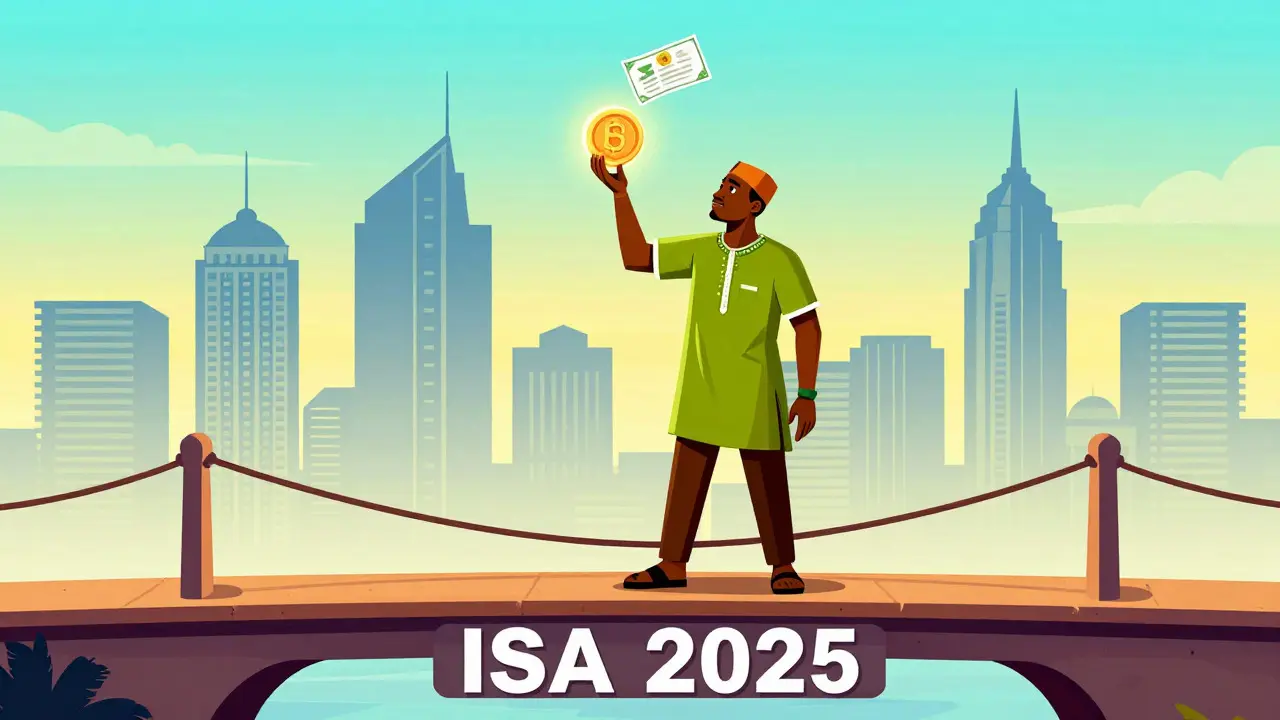
For years, trading Bitcoin or Ethereum in Nigeria felt like walking a tightrope. One day you could use your bank card; the next, the Central Bank shut the door on you. But if you are looking at the landscape today, in August 2026, that uncertainty is largely behind us. The rules have changed. The Investments and Securities Act (ISA) 2025 is a landmark legislation signed into law by President Bola Ahmed Tinubu on March 25, 2025, which explicitly recognizes digital assets as securities under Nigerian law has rewritten the playbook.
Cryptocurrency is no longer operating in a gray area. It is recognized, regulated, and taxed. However, it is still not money you can spend at the grocery store. Understanding this distinction-and knowing who watches whom-is crucial for anyone holding, trading, or building in the Nigerian crypto space right now.
The New Reality: Crypto Is Legal, But Not Cash
Let’s clear up the biggest misconception first. Is cryptocurrency illegal in Nigeria? No. As of 2025 and continuing into 2026, owning and trading crypto is perfectly legal. The ISA 2025 defines a crypto asset as "a digital representation of value that can be transferred, digitally traded and used for payment or investment purposes." This definition excludes digital versions of fiat money, meaning stablecoins pegged to the Naira or Dollar fall under specific scrutiny, but the assets themselves are valid financial instruments.
However, do not confuse "legal asset" with "legal tender." The Nigerian naira remains the only official currency for payments. You cannot walk into a shop in Lagos or Abuja and pay with Bitcoin unless the merchant voluntarily accepts it as a private agreement. For official debts, taxes, and government fees, the naira is king. Crypto is treated primarily as an investment vehicle or a medium for peer-to-peer (P2P) transfers, similar to how you might hold gold or stocks.
Who Calls the Shots? The Rise of the SEC
If you remember the old days, the Central Bank of Nigeria (CBN) was the primary monetary authority that previously banned banks from processing crypto transactions in 2021 held all the cards. They issued circulars banning banks from touching crypto accounts, forcing traders to rely on risky P2P networks or offshore partners. That era is over.
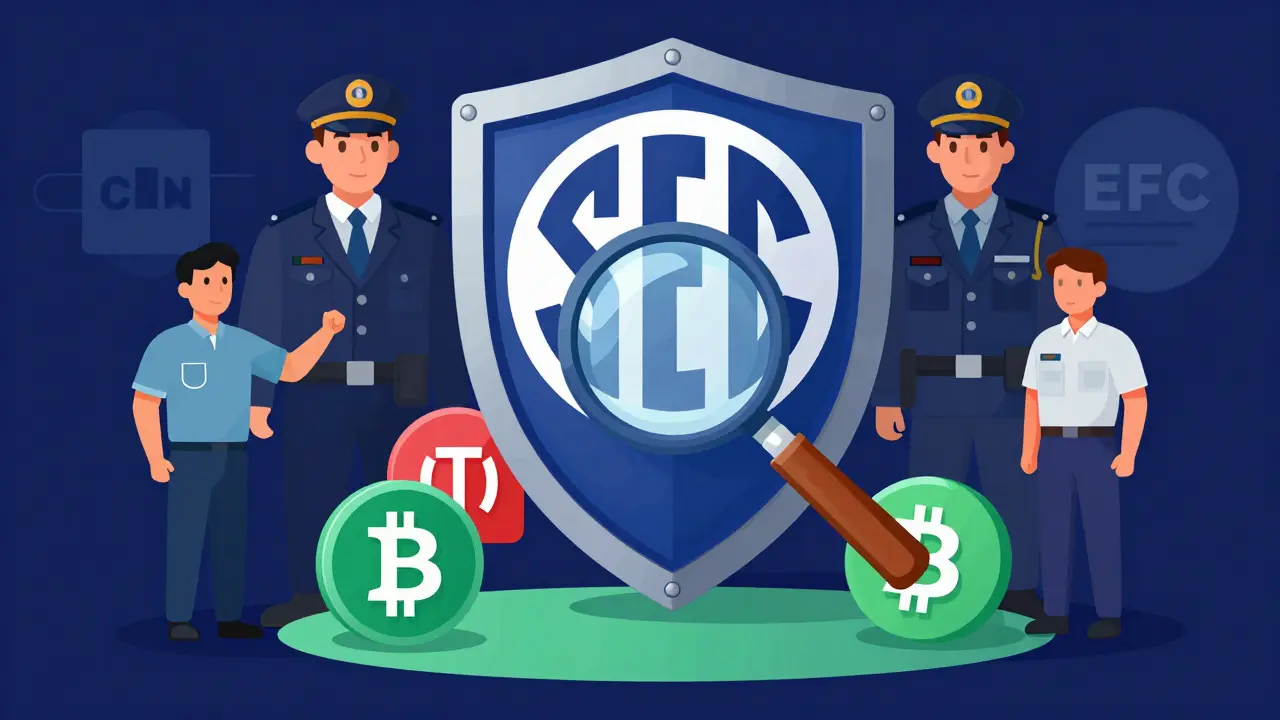
Today, the power has shifted decisively to the Securities and Exchange Commission (SEC) is the regulatory body granted comprehensive authority over digital asset issuance, trading, and promotion under the ISA 2025. The SEC now treats crypto exchanges and Virtual Asset Service Providers (VASPs) just like stock brokers. This means:
- Licensing is mandatory: Every exchange operating in Nigeria must register with the SEC. Platforms like Quidax and Busha were among the first to receive approvals, but the vetting process is rigorous and ongoing.
- Enforcement powers: The SEC can audit exchanges, impose heavy fines, suspend operations, and even remove executives from their positions if they break the rules.
- Broader scope: It’s not just Bitcoin. Investment-focused NFTs and online forex platforms are now under the SEC’s watchful eye. Artistic NFTs? Those are still mostly free from regulation, but the moment you market them as financial products, the SEC steps in.
The CBN hasn’t disappeared, though. They still handle monetary policy and banking regulations. In 2023, they softened their stance, allowing banks to provide accounts to licensed VASPs. Now, the CBN ensures that crypto activities don’t destabilize the national financial system, while the SEC handles the day-to-day policing of the markets.
Taxing the Digital Gold Rush
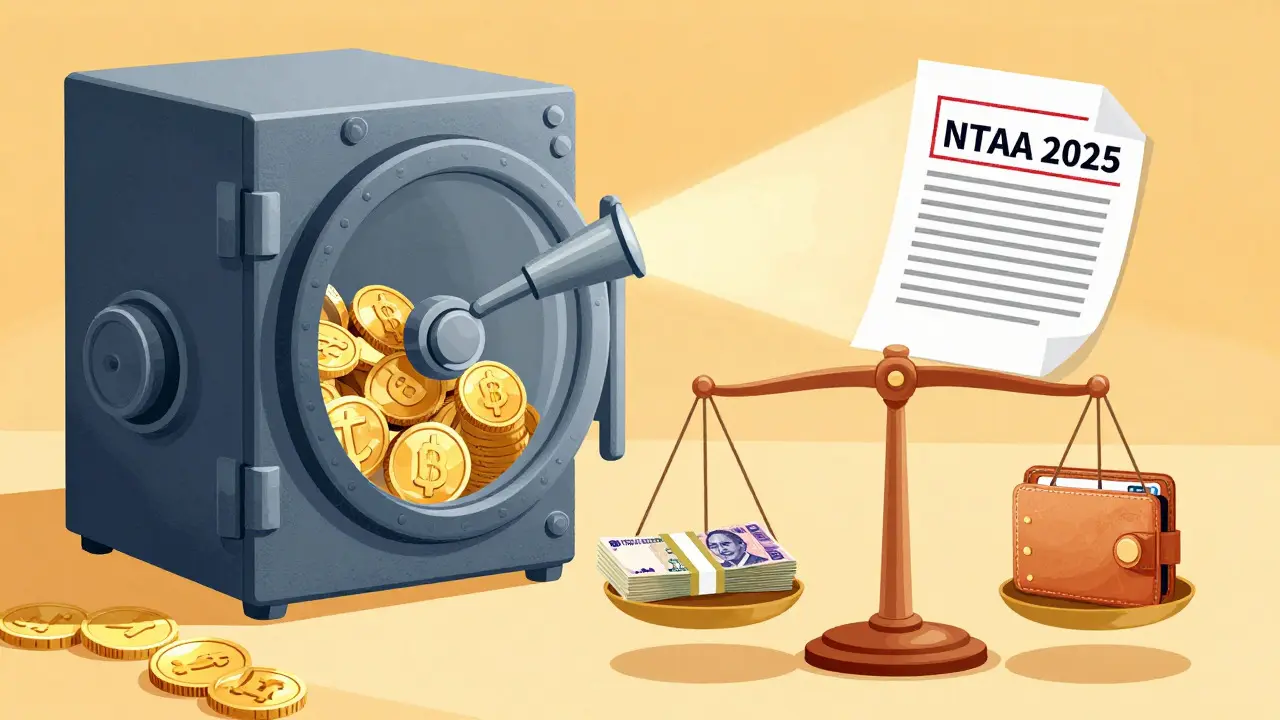
Regulation brings clarity, but it also brings bills. If you thought the government would let billions in crypto transactions slide without a cut, think again. The Nigeria Tax Administration Act (NTAA) 2025 is legislation signed in June 2025 that places compliance obligations firmly on Virtual Asset Service Providers and establishes a penalty structure for non-compliance took effect in 2026, marking a massive shift in how crypto wealth is tracked.
Here is the kicker: the responsibility for compliance falls heavily on the exchanges (VASPs), not just the individual trader. If an exchange fails to report correctly, the penalties are steep. Defaulting VASPs face an initial fine of ₦10 million (approximately $6,693) in the first month of non-compliance, plus ₦1 million ($669) for every additional month they delay. The SEC can also revoke their licenses entirely.
Why such strictness? Because the numbers are huge. Between July 2024 and June 2025 alone, Nigeria saw an estimated $92.1 billion in crypto value flow through its borders. That makes it one of the largest crypto markets in the world, nearly double the activity levels seen in South Africa. The government knows this sector is too big to ignore and too valuable to leave untaxed.
| Agency | Primary Role | Key Powers |
|---|---|---|
| SEC | Regulates issuers, exchanges, and VASPs | Licensing, auditing, suspending operations, removing executives |
| CBN | Monetary policy and banking stability | Approving bank accounts for licensed VASPs, ensuring financial stability |
| NFIU | Anti-Money Laundering (AML) oversight | Monitoring transactions for suspicious activity, enforcing CFT rules |
| EFCC | Criminal enforcement | Prosecuting fraud, Ponzi schemes, and financial crimes |
Fighting Fraud: A Unified Front
Nigeria has long been associated with high rates of P2P crypto usage, partly because citizens needed a way to preserve value against naira volatility and partly because informal economies thrive here. But this openness also attracted scammers. The new framework aims to crush fraudulent operations by creating a unified oversight system.
The SEC doesn’t work alone anymore. They coordinate closely with the Economic and Financial Crimes Commission (EFCC) is the law enforcement agency responsible for prosecuting financial crimes and fraud within Nigeria and the Nigerian Financial Intelligence Unit (NFIU) is the body responsible for monitoring companies to ensure anti-money laundering and counter-terrorism financing compliance. This multi-agency approach means regulators can access telecom records for investigations and move quickly against Ponzi schemes.
For legitimate businesses, this is good news. It cleans up the industry. For operators running shady schemes, the days of hiding behind anonymous wallets are ending. The ISA 2025 explicitly bans Ponzi structures and gives regulators the tools to trace funds back to their sources.
What This Means for You in 2026
If you are a regular user, your life is actually simpler now. You can trade on licensed platforms like Quidax or Busha with the confidence that these entities are vetted by the SEC. Your funds are safer from exchange insolvencies because these platforms must adhere to capital adequacy requirements similar to traditional financial institutions.
However, be aware of the licensing delays. While the framework is set, the SEC is conducting thorough vetting procedures. Some smaller platforms may still be in limbo, waiting for approval. Always check if your exchange holds a current SEC license before depositing large sums.
For investors, the lines between traditional finance and crypto are blurring. Fintech companies like PiggyVest and Cowrywise, which offer returns through government debt instruments, are now clearly defined under the new laws. Even platforms like Bamboo, which allow retail investments in offshore securities, operate within a clearer legal boundary. The ISA 2025 also opens doors for commodities trading through warehouse receipts and extends futures markets to include currencies and other assets.
Challenges Remain
It’s not all smooth sailing. The transition has had growing pains. Municipal and federal authorities wishing to raise funds through bonds must now comply with stricter debt sustainability rules, including a cap on borrowing beyond 50% of expected revenue. This affects the broader economic environment in which crypto operates.
Additionally, the rapid pace of change means some older practices are dying out. The reliance on unregulated P2P networks is decreasing as licensed channels become more reliable. But for those who relied on the shadows, adaptation is painful. The government is balancing innovation with consumer protection, and sometimes that balance feels heavy on the side of control.
Still, the trajectory is positive. Nigeria is positioning itself as a model for African cryptocurrency regulation. By acknowledging the reality of mass adoption-$92 billion in annual volume doesn’t lie-and bringing it into the light, the country is fostering sustainable growth rather than stifling it.
Is cryptocurrency legal in Nigeria in 2026?
Yes, cryptocurrency is legal in Nigeria as of 2026. The Investments and Securities Act (ISA) 2025 explicitly recognizes digital assets as securities. However, crypto is not legal tender; the Nigerian naira remains the only official currency for payments.
Which agency regulates crypto in Nigeria?
The Securities and Exchange Commission (SEC) is the primary regulator for cryptocurrency issuance, trading, and promotion. They work alongside the Central Bank of Nigeria (CBN) for banking stability and the Nigerian Financial Intelligence Unit (NFIU) for anti-money laundering compliance.
Do I have to pay taxes on my crypto gains?
Yes. Under the Nigeria Tax Administration Act (NTAA) 2025, which took effect in 2026, crypto activities are subject to taxation. Virtual Asset Service Providers (exchanges) are responsible for ensuring compliance, and individuals must report their gains according to federal tax laws.
Can I use crypto to pay for goods in stores?
Technically, yes, if a merchant agrees to accept it, but it is not legal tender. You cannot use crypto to settle official debts, taxes, or government fees. The Nigerian naira is required for all statutory payments.
Are all crypto exchanges allowed to operate in Nigeria?
No. Only exchanges that are registered and licensed by the SEC can legally operate. Unlicensed platforms risk suspension, heavy fines, and executive removal. Users should verify that their exchange holds a valid SEC license.
What happened to the CBN ban on crypto?
The Central Bank of Nigeria lifted its strict ban on banks processing crypto transactions in 2023. Banks are now allowed to provide accounts to licensed Virtual Asset Service Providers (VASPs), integrating crypto into the formal banking system under regulatory oversight.