Optional vs Mandatory NFT Royalties: The 2026 Reality Check
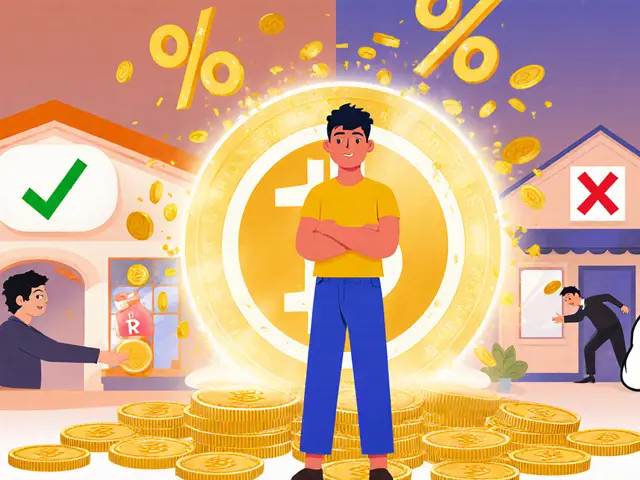
Remember when buying an NFT felt like securing a lifetime annuity for the artist? You bought the digital art, and every time it changed hands, the creator got a cut. It was supposed to be the revolutionary part of Web3-the thing that made it different from selling a JPEG on eBay. Fast forward to mid-2026, and that promise is hanging by a thread. The battle between optional and mandatory NFT royalties has shifted from a technical debate to a full-blown economic war.
If you are a creator, your revenue stream might have dried up overnight. If you are a collector, you might be wondering why some platforms charge fees while others don't. The landscape has fractured. Major marketplaces are now picking sides, using code as weapons to either protect or bypass creator earnings. Understanding this split isn't just about knowing how wallets work; it's about understanding where the value in digital ownership actually sits today.
The Technical Backbone: How Royalties Actually Work
To understand why this fight is happening, we need to look under the hood. In the early days of NFTs, standards like ERC-721 defined what an NFT was but didn't strictly dictate how payments flowed after the initial sale. Enter ERC-2981. This token standard was designed specifically to handle royalty information on-chain. When a creator mints an NFT with ERC-2981 compliance, they embed a percentage-usually between 5% and 10%-and a recipient address directly into the smart contract metadata.
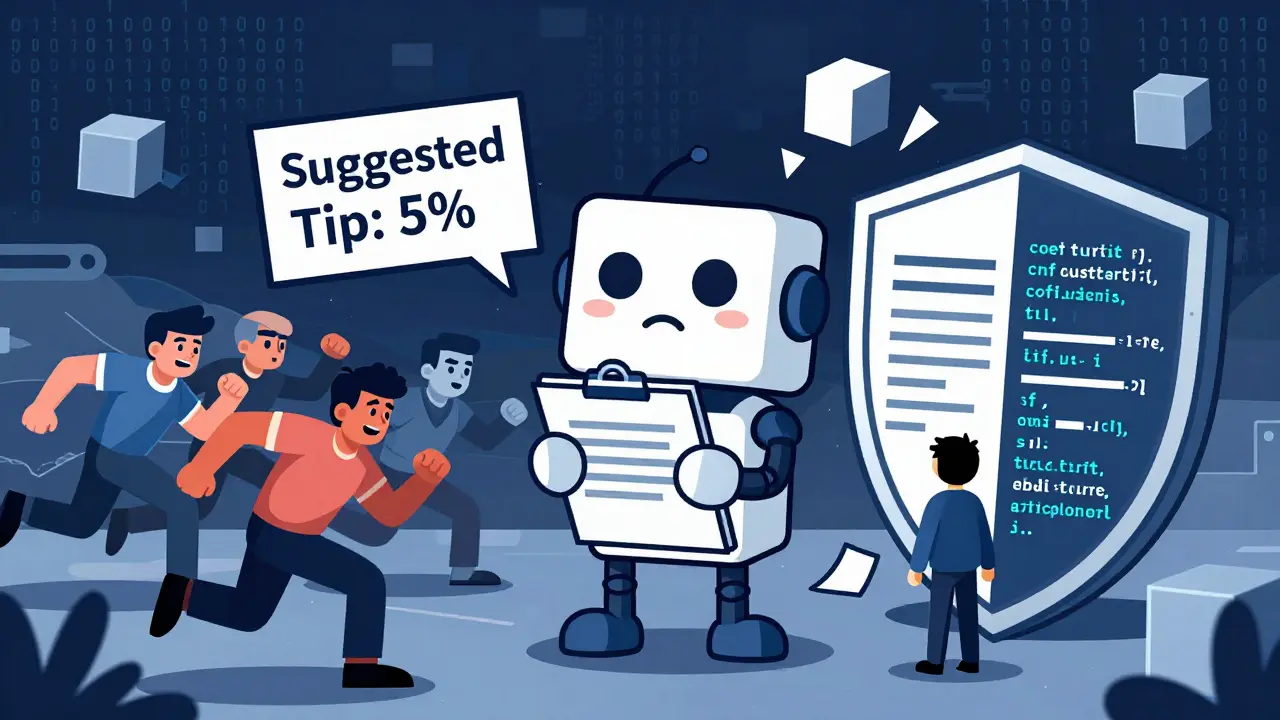
Here is the catch: the blockchain records the *intent* of the royalty, but it does not always enforce the *payment*. Think of it like a restaurant menu listing a suggested tip. The number is there, visible to everyone, but unless the payment processor (the marketplace) is programmed to deduct it automatically, the buyer can choose to ignore it. This technical gap is where the entire conflict lives. On-chain data says one thing, but off-chain execution says another.
| Feature | Optional Royalties | Mandatory Royalties |
|---|---|---|
| Enforcement Mechanism | Off-chain / Marketplace policy | On-chain / Smart contract logic |
| Creator Control | Low (relies on collector goodwill) | High (technologically enforced) |
| Trading Volume Impact | Increases liquidity and volume | May reduce volume due to higher costs |
| Primary Marketplaces | Blur, X2Y2 | OpenSea (historically), Foundation |
| Legal Status | Gray area / Voluntary donation | Contractual obligation (debatable) |
The Rise of Optional Royalties: The Trader’s Playground
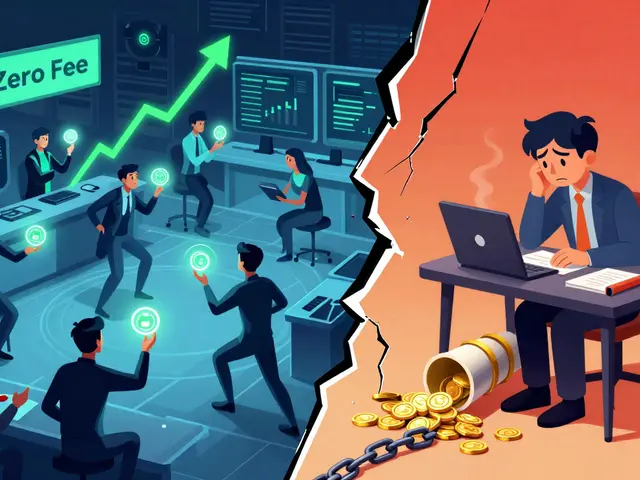
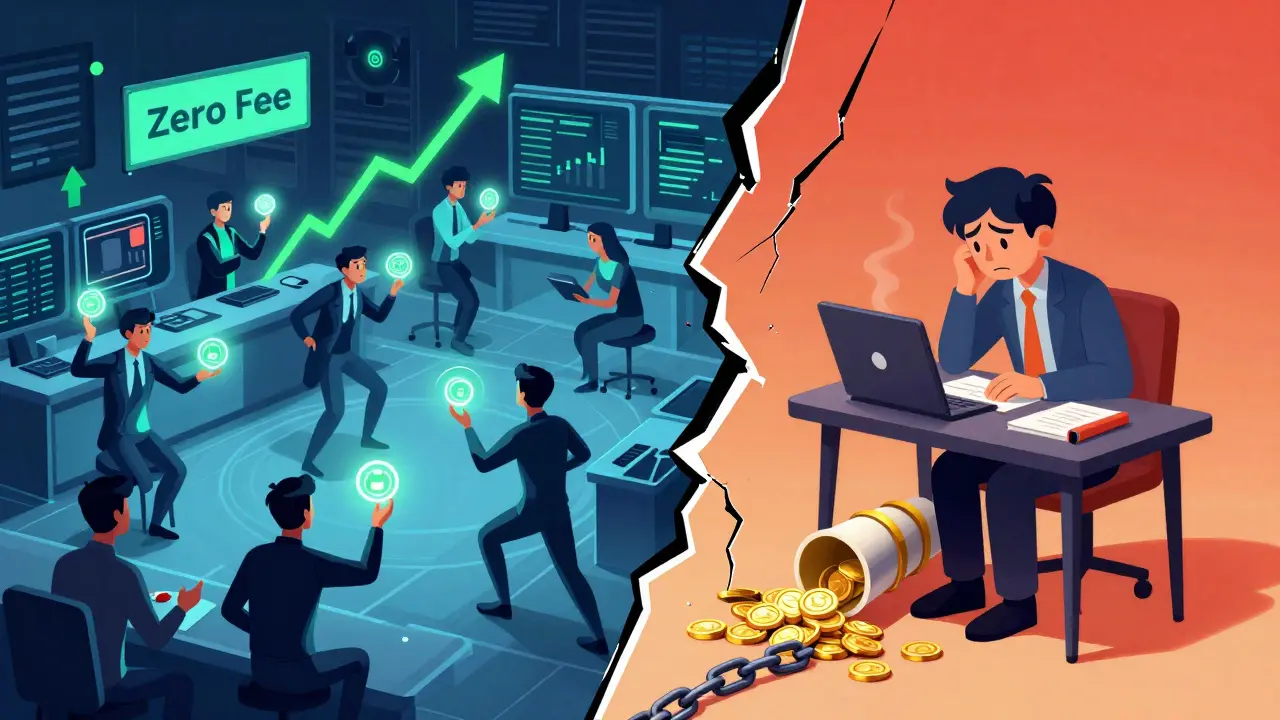
In 2024 and 2025, a shift occurred. Traders began arguing that mandatory royalties acted as a tax on secondary markets, stifling liquidity. Why would you buy an asset if its price is artificially inflated by a fee that doesn't go to the current seller? Platforms like Blur capitalized on this sentiment. They built their infrastructure around speed, aggregation, and, crucially, the ability for buyers to set royalties to zero.
This model treats royalties as voluntary tips. If a collector values the artist, they pay the 5%. If they view the NFT purely as a speculative asset, they pay nothing. For high-frequency traders, this makes sense. It lowers transaction costs and increases turnover. However, for creators, it feels like a betrayal. The argument here is market-driven: if creators want royalties, they should build such strong communities that collectors *want* to pay them, rather than forcing it through code.
Proponents of optional royalties argue that this approach democratizes trading. It removes barriers to entry for casual buyers who might be priced out by hidden fees. It also aligns with traditional financial markets, where secondary sales of stocks or bonds do not pay dividends to the original issuer. The friction created by mandatory fees, they say, slows down the entire ecosystem's growth.
The Pushback: Mandatory Enforcement and Creator Rights
On the other side of the fence, creators and platforms like OpenSea have fought back. The core philosophy here is simple: NFTs were sold on the promise of perpetual revenue. Without that promise, an NFT is just a static image file with no ongoing benefit to the artist. OpenSea has invested heavily in tools that attempt to enforce royalties at the protocol level, effectively blocking trades that bypass these fees on their platform.
This creates a "walled garden" effect. Creators who rely on mandatory royalties must list their works on platforms that support enforcement. But here is the problem: if the majority of trading volume moves to optional platforms like Blur, those walls become irrelevant. A creator might enforce royalties on OpenSea, but if 80% of their collection's trading happens on Blur, their revenue still collapses. This dynamic has led to what industry insiders call a "cat-and-mouse game," where creators try to restrict access to certain marketplaces, and traders find new ways to circumvent them.
Some projects have taken matters into their own hands by implementing "royalty-enforced" smart contracts that refuse to transfer ownership if the royalty isn't paid. While technically impressive, this limits the NFT's compatibility with other wallets and platforms, creating fragmentation. The trade-off is clear: guaranteed income versus maximum accessibility.
What Experts Say: Technology vs. Community
Renowned digital artist Beeple, one of the most successful figures in the space, offered a stark reality check. He noted that there is "zero way to force royalties technologically" in a decentralized environment without centralizing control. His point highlights a fundamental truth: code can suggest, but it cannot compel human behavior across a fragmented web of protocols. Ultimately, he argues, creators must build a collector base that chooses to honor these royalties out of loyalty, not coercion.
From a legal standpoint, the situation is equally murky. Attorneys specializing in blockchain law, such as Adam Chernichaw and Prat Vallabhaneni from White & Case, have pointed out that smart contracts are not legally binding contracts in the traditional sense. The question of whether a non-payment of an on-chain royalty constitutes a breach of contract remains largely untested in courts. This legal ambiguity means that even if a creator tries to sue for unpaid royalties, they may find little recourse. The enforcement relies entirely on social pressure and platform policies, not judicial power.
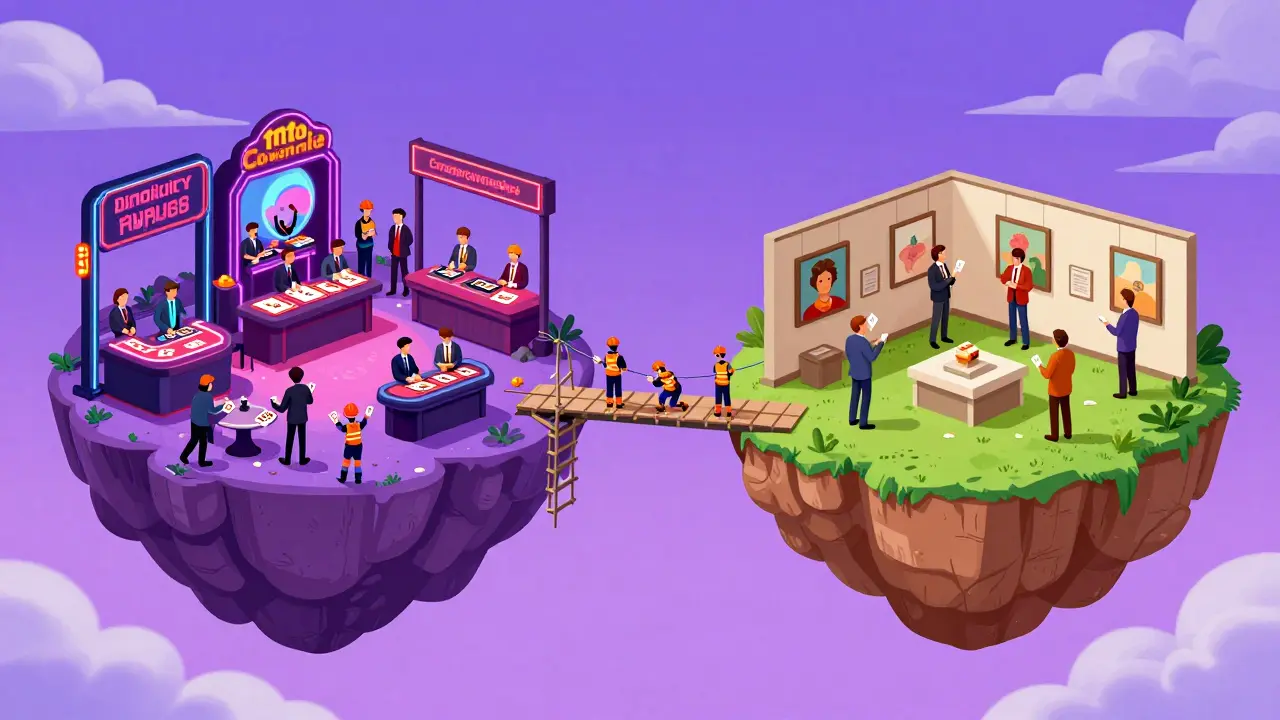
Navigating the Landscape in 2026
So, where does this leave us in June 2026? The market has bifurcated. We now see two distinct types of ecosystems:
- Liquidity-Focused Markets: Dominated by optional royalties. These platforms boast high trading volumes, advanced trading interfaces, and lower barriers to entry. They attract speculators and flippers. Creators here rely on brand strength and community engagement to earn royalties voluntarily.
- Creator-Centric Markets: These platforms enforce mandatory royalties. They often feature curated collections, higher-quality artistic works, and stronger emphasis on provenance. Trading volume is lower, but per-transaction value for creators is protected.
For creators, the strategy has shifted from "mint and forget" to active community management. Building a loyal following that prefers to trade on royalty-friendly platforms is now more valuable than simply having a popular collection. Some creators are experimenting with hybrid models, offering perks or exclusive access only to collectors who honor royalties, incentivizing payment without forcing it.
For collectors, transparency is key. Before buying, check which marketplace you are using and what its royalty policy is. If you support the artist, consider using platforms that enforce payments or manually adding the royalty amount. If you are purely speculating, be aware that your choice of platform impacts the sustainability of the creator economy.
Future Outlook: Regulation and Protocol Evolution
The debate is far from over. Technological solutions continue to emerge. Newer layer-2 protocols and cross-chain bridges are exploring ways to make royalty enforcement seamless across all platforms, potentially solving the fragmentation issue. Additionally, regulatory bodies are beginning to take notice. As digital assets gain mainstream adoption, governments may step in to define the legal status of creator rights in secondary sales, similar to how music streaming services are regulated today.
Until then, the tension between market efficiency and creator fairness will persist. The resolution won't come from a single piece of code, but from a cultural shift in how we value digital ownership. Will we treat NFTs as mere commodities, or as collaborative works that sustain their creators? The answer depends on every transaction you make.
Can I change my NFT royalty rate after minting?
In most cases, no. Once an NFT is minted with a specific royalty percentage encoded in its smart contract (via ERC-2981), that value is immutable on the blockchain. However, some platforms allow creators to update metadata off-chain, which can confuse buyers. Always check the on-chain data for the true royalty rate.
Why do traders prefer optional royalties?
Traders prefer optional royalties because they reduce transaction costs. Lower fees mean higher profit margins when flipping NFTs. Additionally, optional royalties increase liquidity by making assets more affordable to a broader range of buyers, leading to faster trading cycles.
Is it illegal to avoid paying NFT royalties?
Currently, it is generally not illegal. Smart contracts are automated scripts, not legally binding documents in most jurisdictions. Unless a separate legal agreement exists between the buyer and seller, avoiding on-chain royalties is considered a breach of ethical norms rather than a crime.
Which marketplaces enforce mandatory royalties?
As of 2026, platforms like OpenSea (for certain collections), Foundation, and SuperRare tend to enforce or strongly encourage mandatory royalties. However, policies can change, so always verify the current stance of any marketplace before listing or buying.
How do optional royalties affect small creators?
Small creators are disproportionately affected by optional royalties. Unlike famous artists with dedicated fanbases, smaller creators lack the leverage to demand voluntary payments. This can lead to significant income loss, discouraging new talent from entering the NFT space.