Pandora Protocol (PNDR) CoinMarketCap Airdrop: Is It Real or a Scam?
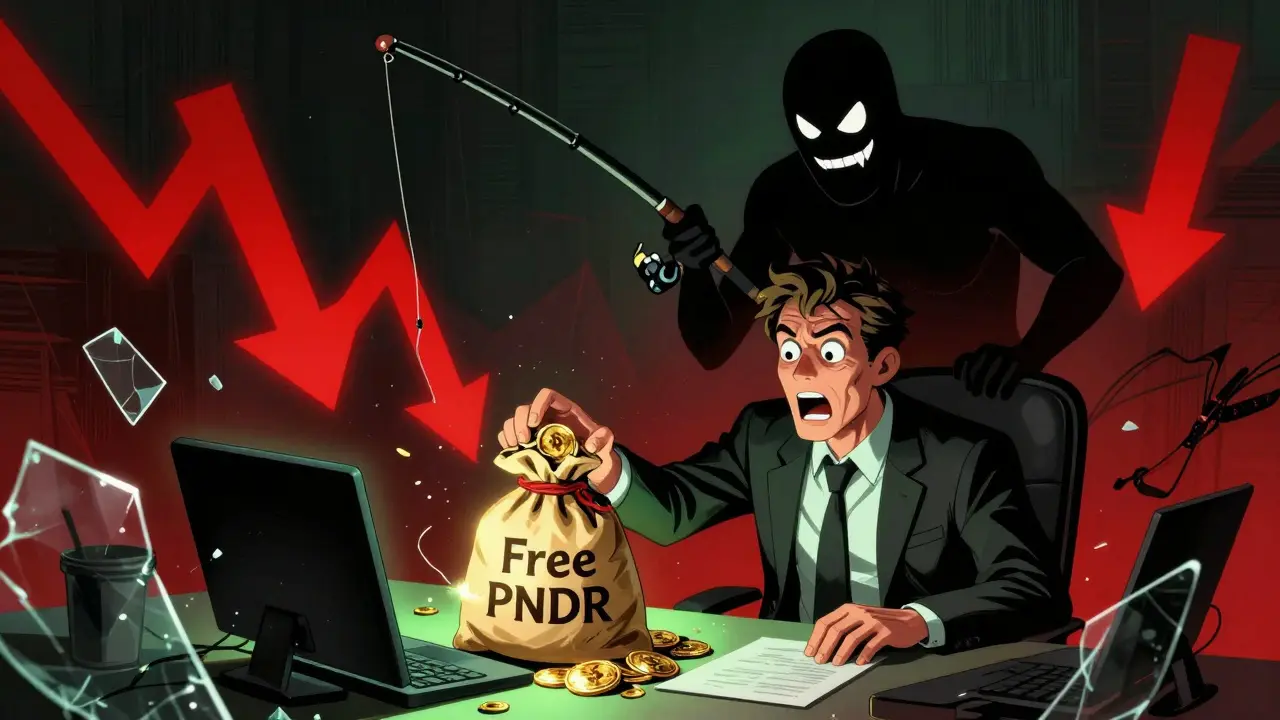
Have you seen the rumors swirling about a massive Pandora Protocol a collaboration with CoinMarketCap for a lucrative community airdrop? If you are holding your breath waiting for free tokens to drop into your wallet, stop right there. The short answer is that there is no credible evidence of an official partnership between Pandora Finance (PNDR) and CoinMarketCap for a joint airdrop program. In fact, digging deeper reveals red flags that suggest these claims might be misleading or outright scams designed to drain your funds.
In the world of cryptocurrency, hope often sells faster than facts. Projects promise moonshots, and platforms like CoinMarketCap are trusted giants. When people hear "CoinMarketCap" attached to an airdrop, they assume legitimacy. But let's look at the actual data surrounding Pandora Finance the ecosystem behind the PNDR token and understand why this specific rumor doesn't hold water.
The Reality Check on Pandora Finance (PNDR)
To understand why an airdrop claim is suspicious, we first need to look at the health of the project itself. Pandora Finance a customer-centric crypto ecosystem founded in January 2021 by Pushkar Vohra operates primarily on the Binance Smart Chain (BSC). On paper, it sounds ambitious. The project aims to transition into a Decentralized Autonomous Organization (DAO), using the PNDR token for governance. They boast a maximum supply of 100 million tokens and claim to release products incrementally to keep users engaged within their ecosystem.
However, the numbers tell a much grimmer story. As of late 2025 and heading into 2026, PNDR has suffered a catastrophic decline in value. The token trades at approximately $0.0031. This represents a staggering drop of over 85% from its all-time high of $0.74. To put that in perspective, if you bought at the peak, you have lost nearly 99.6% of your investment's potential value relative to that high point. The market capitalization is effectively negligible, and the 24-hour trading volume sits at a pathetic $97.28. That is less than $4 per day in active trading. A project with such minimal liquidity and interest rarely has the budget or incentive to fund a major, verifiable airdrop campaign, especially one involving a partner as large as CoinMarketCap.
CoinMarketCap Community Rewards vs. Fake Partnerships
Confusion often arises because CoinMarketCap does have legitimate reward programs. The CoinMarketCap Earn official platform where users learn about projects to earn tokens allows users to complete educational tasks to receive tokens from various partners. Additionally, CoinMarketCap has launched initiatives to reward community engagement through points systems or exclusive access to early-stage projects. These are real, but they are strictly controlled and announced directly on the CoinMarketCap website or app.
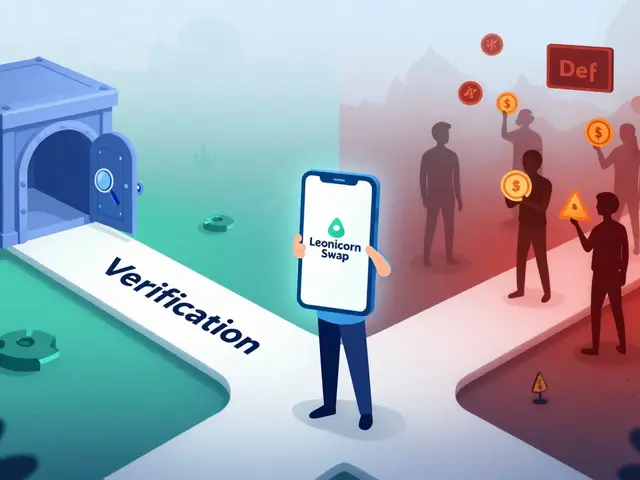
Here is the critical distinction: CoinMarketCap does not randomly partner with obscure, low-volume tokens like PNDR for surprise airdrops without prior announcement. Legitimate partnerships involve significant marketing budgets, legal vetting, and public roadmaps. When you see social media posts claiming "PNDR x CoinMarketCap Airdrop," check the source. Is it the official @coinmarketcap Twitter account? Is it a pinned post on the CMC blog? Or is it a Telegram group with a username like "CMC_Airdrop_Official_2026"? If it’s the latter, it is almost certainly a phishing attempt.
Red Flags: How to Spot the Scam
If you encounter a site or message promising PNDR tokens via a CoinMarketCap link, look for these specific warning signs. Scammers rely on urgency and greed, so knowing what to look for can save your private keys.
- Unsolicited Links: Did someone DM you on Twitter or Telegram with a link to "claim your PNDR"? Legitimate airdrops never require you to click a link sent by a stranger.
- Wallet Connection Requests: Does the website ask you to connect your MetaMask or Trust Wallet immediately? If the site asks for approval to spend unlimited tokens or sign a transaction that costs gas but promises nothing in return, disconnect immediately.
- Impersonated Branding: Scammers use logos that look slightly off. Check the URL carefully. It might say "coinmarketcap.com" instead of "coinmarketcap.com." One missing letter makes all the difference.
- Token Confusion: Be aware that there is another token called PANDORA (distinct from PNDR) that trades at much higher values and has had its own controversies, including delistings. Scammers may mix up these names to confuse investors further.
The Broader Airdrop Landscape in 2026
While the PNDR rumor is likely false, the demand for airdrops remains high. In 2025 and 2026, successful airdrop strategies shifted away from random giveaways toward retroactive rewards. Projects like Hyperliquid a decentralized exchange known for its points-based airdrop system and Axiom Exchange a Solana-based trading platform with cashback rewards rewarded users who actually used their platforms before launching tokens. Axiom, for instance, accumulated over 4.3 million visitors in February 2025 and offered SOL cashback based on trading activity. This model requires work-trading, providing liquidity, or staking-not just clicking a button.
Historical examples prove that real value comes from genuine utility. The Uniswap UNI airdrop in 2020 gave 400 tokens to early users, which were worth over $15,000 at their peak. But those users had interacted with the protocol months earlier. They didn't get rich by clicking a suspicious link; they got rewarded for being early adopters of a functional product. Pandora Finance, with its near-zero volume, does not fit the profile of a project capable of delivering such historical returns.
Technical Architecture and DAO Transition
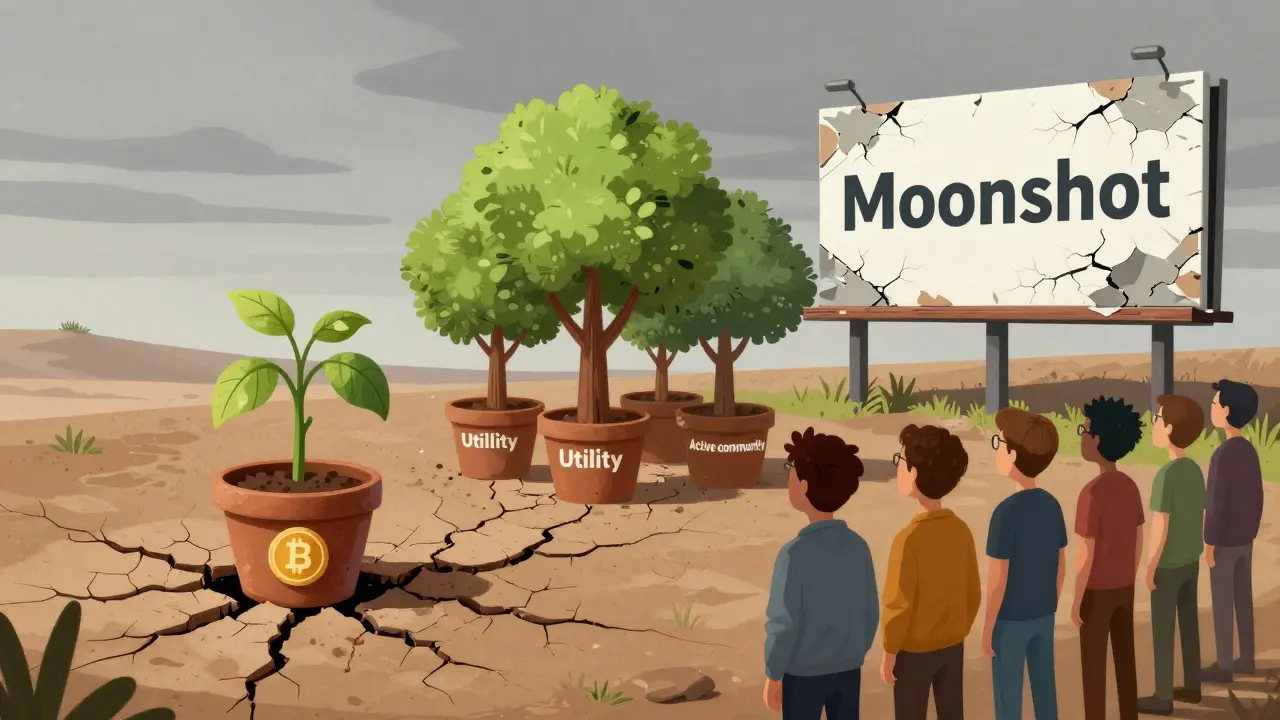
Pandora Finance claims to be building a three-layer ecosystem. The first layer involves basic DeFi services, the second focuses on NFT integration, and the third aims for full DAO governance. In theory, this means PNDR holders would vote on treasury spending and protocol upgrades. However, a DAO requires an active community. With only ~$100 in daily trading volume, it is difficult to imagine a robust voting mechanism emerging soon. Most decisions likely remain centralized with the founding team, despite the rhetoric. For an airdrop to make sense, a project usually needs to distribute tokens to decentralize control. Given PNDR's current stagnation, a mass distribution seems unlikely to change the power dynamics significantly.
Comparison: Legitimate vs. Suspicious Airdrops
| Feature | Legitimate Airdrop (e.g., Uniswap, Hyperliquid) | Suspicious Claim (e.g., Fake PNDR x CMC) |
|---|---|---|
| Announcement Source | Official project blog, verified Twitter, CoinMarketCap Earn page | Random Telegram groups, unsolicited DMs, unverified websites |
| Requirement | Historical usage, testnet participation, or educational tasks | Connect wallet, sign unknown transaction, send small ETH/BNB fee |
| Cost to User | Time and gas fees for interaction | Private key exposure or upfront payment |
| Project Health | High volume, active development, clear roadmap | Negligible volume, declining price, vague promises |
What Should You Do Now?
If you are looking for legitimate ways to engage with Pandora Finance, stick to the basics. Visit the official Pandora Finance website (verify the URL carefully) and check their GitHub repository for recent commits. If the code hasn't been updated in months, the project is dormant. Do not connect your main wallet to any third-party sites claiming to offer PNDR rewards. Instead, focus your airdrop hunting efforts on established ecosystems with transparent tokenomics and active communities. Projects like Monad, Abstract, or Meteora have shown more tangible progress and clearer paths to user rewards in the 2025-2026 cycle.
Remember, if it sounds too good to be true, it is. A token down 99% from its high, with almost no trading activity, will not suddenly become the next big thing through a secret CoinMarketCap partnership. Protect your assets, verify every link, and ignore the hype.
Is there a real Pandora Protocol (PNDR) airdrop with CoinMarketCap?
No, there is no verified evidence of an official partnership or joint airdrop between Pandora Finance (PNDR) and CoinMarketCap. Claims suggesting otherwise are likely scams or misinformation. Always verify announcements on the official CoinMarketCap website or app.
Why is the PNDR token price so low?
The PNDR token has declined significantly, dropping over 85% from its all-time high of $0.74 to around $0.0031. This is due to low trading volume, lack of widespread adoption, and general market challenges faced by many BSC-based tokens since their initial launch phases.
How can I spot a fake crypto airdrop?
Look for unsolicited messages, requests to connect your wallet to unknown sites, URLs that mimic official domains (like coinmarketcap.com), and promises of free money requiring upfront fees. Legitimate airdrops are always announced officially and do not ask for your private keys.
What is the difference between PNDR and PANDORA tokens?
They are completely different projects. PNDR refers to Pandora Finance, a BSC-based project with a very low market cap. PANDORA is a separate token that has traded at much higher values and experienced different market events, including delistings. Do not confuse the two.
Are there any legitimate airdrops happening in 2026?
Yes, but they typically require active participation. Look for projects with strong fundamentals like Hyperliquid, Axiom Exchange, or new Layer 1/Layer 2 solutions such as Monad or Abstract. These projects reward users who trade, stake, or use testnets, rather than offering free tokens for simply clicking a link.
Does Pandora Finance still operate?
Pandora Finance appears to still exist technically, as the token is listed on exchanges. However, with extremely low trading volumes and limited news updates, its level of active development and community engagement is questionable. Users should exercise extreme caution.