Real Estate NFT Platforms and Projects: A 2026 Guide to Tokenized Property

Imagine buying a slice of a luxury apartment in New York or a rental home in Detroit without needing a mortgage, a lawyer, or even leaving your house. This isn't science fiction anymore; it's the reality of Real Estate NFTs, which are digital tokens representing ownership stakes in physical or virtual properties on the blockchain. In 2026, this market has moved past the hype cycle of early crypto years and settled into a practical tool for investors seeking diversification. The global market for these tokenized assets is projected to hit USD 2.03 billion by 2031, growing at a steady 20.2% annually. But with so many platforms popping up, how do you know which ones are legitimate and which ones are just digital smoke and mirrors?
What Are Real Estate NFTs Actually Doing?
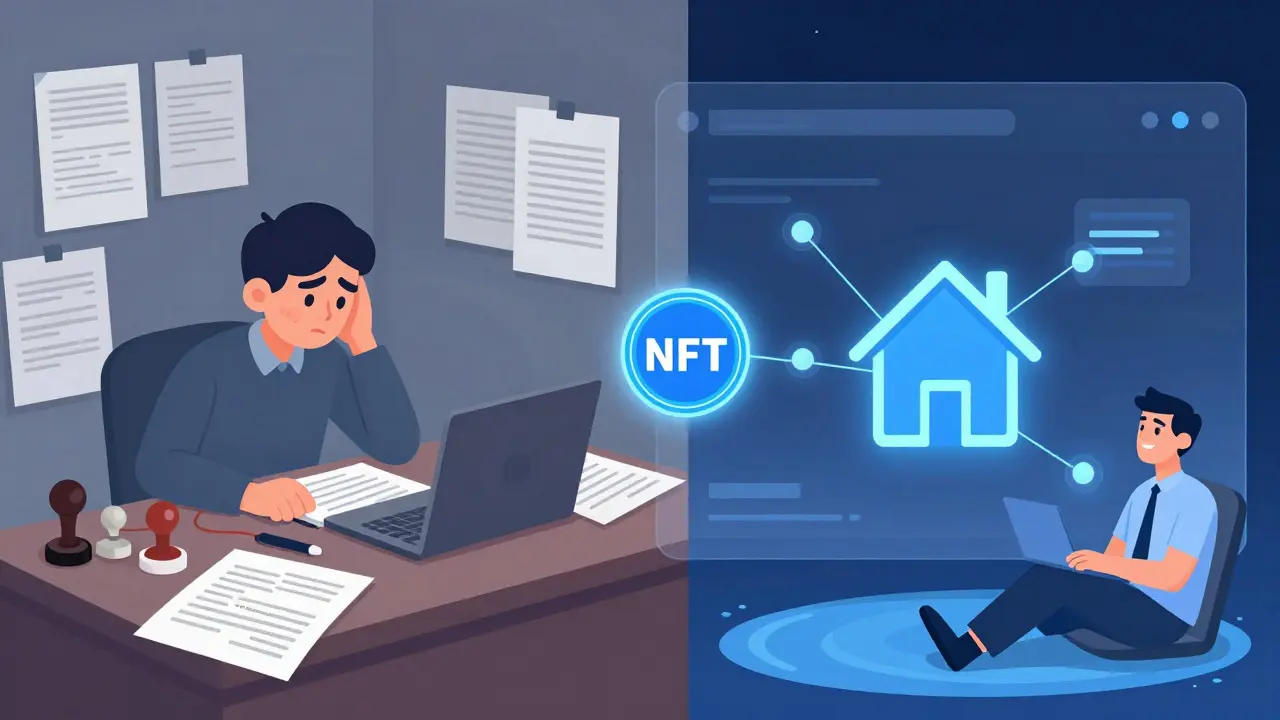
At its core, a real estate NFT is a non-fungible token that acts as a deed. Unlike traditional paper deeds stored in county offices, these deeds live on a distributed ledger like Ethereum, a decentralized blockchain platform that supports smart contracts and decentralized applications.. This means the record of who owns what is immutable, transparent, and accessible globally.
The magic happens through fractionalization. Instead of needing $500,000 to buy a condo, you can buy an NFT representing 0.01% of that condo for $50. The platform holds the legal title to the property, and your NFT proves your share of the equity and rental income. When the property generates rent, smart contracts automatically distribute your portion directly to your cryptocurrency wallet. No monthly checks, no chasing down landlords, and no hidden fees from middlemen.
This model solves three massive problems in traditional real estate: high barriers to entry, illiquidity (you can't sell a brick wall quickly), and geographic restrictions. You can now invest in U.S. commercial real estate while sitting in Wellington, New Zealand, without dealing with cross-border banking headaches.
Top Real Estate NFT Platforms in 2026
Not all platforms are created equal. Some focus on residential rentals, others on commercial skyscrapers, and some on virtual land in the metaverse. Here are the heavy hitters you need to know about right now.
| Platform | Primary Focus | Blockchain | Min. Investment | Key Feature |
|---|---|---|---|---|
| RealT | U.S. Residential Rentals | Ethereum / Polygon | $5 - $50 | Fractional ownership of cash-flowing homes in Detroit, Chicago, Atlanta |
| Propy | Global Full-Property Sales | Ethereum | Varies (Full Price) | End-to-end transaction platform with escrow and legal compliance |
| Lofty AI | AI-Driven Property Selection | Ethereum | $100+ | Uses artificial intelligence to analyze property data and predict returns |
| Ubitquity | Title Management & Records | Private/Public Hybrid | N/A (B2B) | Blockchain-based property record keeping and title insurance |
| Decentraland | Virtual Land (Metaverse) | Ethereum | $100 - $10,000+ | Purchase and develop virtual plots for events, art, or commerce |
RealT: The Fractional Pioneer
RealT is arguably the most established name in the space. They specialize in taking single-family rental homes in major U.S. cities like Detroit and Chicago, wrapping them in an LLC, and then issuing ERC-20 tokens that represent shares of that LLC. Investors receive daily rental income distributions in stablecoins like USDC. It’s incredibly low friction. You can start with less than the cost of a dinner out. However, keep in mind that these are primarily lower-income area properties, which carry higher risk but potentially higher yield compared to luxury markets.
Propy: For the Serious Buyer
If you want to buy an entire house, not just a fraction, Propy is your go-to. They’ve facilitated transactions over $1 million per property. Propy doesn’t just tokenize the asset; they handle the entire closing process using smart contracts. This includes KYC (Know Your Customer) checks, escrow services, and even notarization via video. It’s designed to replace the traditional realtor and title company workflow. While it requires full capital, it offers the same speed and transparency benefits as the fractional models.
Lofty AI: Data-Driven Investing
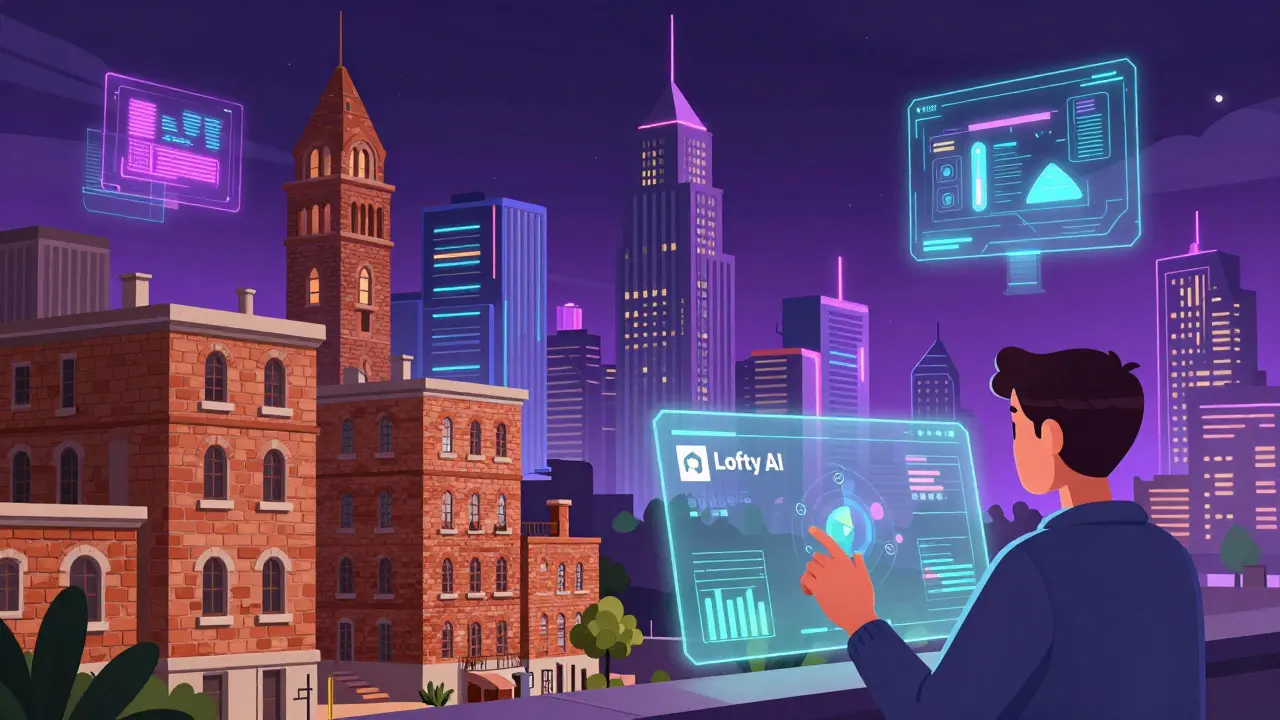
Lofty AI brings a tech-heavy approach to the table. They use artificial intelligence to scrape millions of data points-neighborhood trends, school ratings, crime stats, and historical price appreciation-to recommend properties. If you’re skeptical about picking winners manually, Lofty’s algorithmic approach reduces emotional bias. They also offer management services, making it a hands-off experience for passive investors.
Ubitquity: The Backbone Infrastructure
Ubitquity operates more behind the scenes. They partner with local governments and title companies to put property records on the blockchain. Their goal is to eliminate fraud and errors in land registries. While individual consumers don’t typically interact with Ubitquity directly, their technology ensures that the titles underlying other NFT platforms are secure and verified.
Decentraland: Virtual Real Estate
It’s impossible to talk about real estate NFTs without mentioning Decentraland. This isn’t physical brick-and-mortar; it’s virtual land in a persistent 3D world. People buy these plots to host galleries, run businesses, or build social hubs. The value here is driven by community engagement and scarcity rather than rental yields. It’s speculative and volatile, but it represents the frontier of digital ownership.
How to Start Investing in Tokenized Real Estate
Getting started is easier than opening a brokerage account, but it does require a few technical steps. Here is your checklist for 2026:
- Set Up a Crypto Wallet: You’ll need a self-custody wallet like MetaMask or Trust Wallet. These store your private keys, which prove you own your NFTs. Never share your seed phrase with anyone.
- Buy Cryptocurrency: Most platforms operate on Ethereum, so you’ll need ETH to pay for gas fees (transaction costs). Alternatively, some platforms accept stablecoins like USDC or USDT, which peg to the dollar and avoid volatility.
- Choose a Platform: Based on the comparison above, decide if you want fractional income (RealT), full ownership (Propy), or virtual land (Decentraland).
- Complete KYC Verification: Legitimate platforms must comply with financial regulations. You’ll upload ID documents to verify your identity. This prevents money laundering and ensures you’re legally allowed to hold these assets.
- Purchase Tokens: Connect your wallet to the platform, select the property, and confirm the transaction. The NFT will appear in your wallet within minutes.
Risks and Regulatory Realities
Let’s be clear: this isn’t free money. There are real risks involved.
Regulatory Uncertainty: Laws around securities differ wildly by country. In the U.S., the SEC has scrutinized whether certain real estate tokens qualify as unregistered securities. If regulators crack down, liquidity could dry up, or platforms might restrict access to certain jurisdictions. Always check the legal status of tokens in your specific country.
Liquidity Constraints: Unlike stocks, you can’t always sell your real estate NFT instantly. Secondary markets exist, but there might not be a buyer for your specific token at the exact moment you want to exit. You may have to wait for another investor to come along, or rely on the platform’s buyback programs, which aren’t guaranteed.
Smart Contract Risk: The code governing your investment is only as good as its audit. Bugs in smart contracts have led to hacks in the broader crypto space. Stick to platforms that publish regular third-party security audits.
Market Volatility: While the underlying property value might be stable, the token price can fluctuate based on crypto market sentiment. If Bitcoin crashes, risk-off behavior often spills over into altcoin and NFT markets, temporarily depressing prices even if the building itself hasn’t changed.
Future Outlook: What’s Next for Property Tokenization?
The trajectory is clear. By 2030, experts project that tokenized assets will account for over 25% of global commercial property transactions. We’re seeing institutional players like JPMorgan with their Onyx platform exploring similar technologies for large-scale settlements. As regulatory frameworks mature-particularly in Europe with MiCA (Markets in Crypto-Assets) regulation-we expect to see more mainstream adoption.
Integration with traditional finance is also accelerating. Imagine taking out a mortgage against your NFT portfolio or using tokenized real estate as collateral for a DeFi loan. These features are already in development. The barrier to entry will continue to drop, and user interfaces will become indistinguishable from standard banking apps. The days of needing deep technical knowledge to participate are ending.
For now, real estate NFTs offer a compelling hybrid: the stability and tangibility of bricks and mortar combined with the speed and accessibility of digital assets. Whether you’re looking to diversify your portfolio with a few hundred dollars or streamline a multi-million dollar purchase, the tools are ready. Just do your due diligence, understand the risks, and choose platforms that prioritize transparency and security.
Is investing in Real Estate NFTs safe?
Safety depends on the platform and your understanding of the risks. Reputable platforms like RealT and Propy use audited smart contracts and comply with KYC regulations. However, you face risks such as regulatory changes, smart contract bugs, and market volatility. Never invest money you cannot afford to lose, and always verify the platform's security audits.
Can I sell my Real Estate NFT anytime?
Liquidity varies. Some platforms offer secondary markets where you can sell tokens to other investors, but there may not always be a buyer. Other platforms have limited resale options or lock-up periods. Check the specific liquidity terms of the platform before buying. It is generally less liquid than selling a stock.
How do I get paid rental income from an NFT?
Rental income is usually distributed automatically via smart contracts. You connect your crypto wallet to the platform, and the system sends your share of the rent, typically in stablecoins like USDC or USDT, directly to your wallet. This happens daily, weekly, or monthly depending on the platform's structure.
Do I need to pay taxes on Real Estate NFT profits?
Yes, in most jurisdictions. Rental income is taxed as ordinary income, and capital gains apply when you sell the NFT for a profit. Tax laws regarding crypto assets are complex and vary by country. Consult a tax professional familiar with digital assets to ensure compliance.
What is the difference between RealT and Decentraland?
RealT focuses on physical real estate, offering fractional ownership in actual buildings that generate rental income. Decentraland deals with virtual land in a metaverse environment, where value is derived from community usage, advertising, and speculation rather than physical rental yields.