Shinobi NINJA Crypto: Overview and Essentials
When working with Shinobi NINJA Crypto, a blockchain project that blends gaming elements with token incentives. Also known as ShinobiNinja, it aims to reward participants through regular airdrops, free token distributions and a robust tokenomics, supply and reward model. Understanding its crypto exchange trading venues and fee structures options and the surrounding blockchain regulation, legal framework in various jurisdictions helps you navigate the ecosystem safely.
Shinobi NINJA Crypto encompasses airdrop opportunities that let users claim free tokens simply by completing on‑chain tasks. These airdrops follow a clear eligibility rule‑set, often tied to wallet activity or community engagement. The project’s tokenomics dictate how many tokens are minted, how they’re allocated to users, and how inflation is managed over time. Knowing the supply schedule lets you judge whether a token is likely to retain value or get diluted.
Tokenomics isn’t just about numbers; it shapes user behavior. Shinobi NINJA Crypto requires a balanced reward‑penalty system to keep holders motivated while preventing abuse. The token’s utility—whether it fuels in‑game assets, grants governance rights, or powers staking rewards—directly influences demand. By studying the token’s emission rate and burn mechanisms, you can anticipate price pressure and plan entry or exit points.
Where you trade matters, too. The project lists on several crypto exchanges that differ in fees, security, and liquidity. Centralized platforms may offer fast order execution but demand KYC verification, while decentralized alternatives let you swap tokens without handing over personal data. Comparing fee structures, withdrawal limits, and supported pairs helps you pick the venue that matches your risk tolerance and trading style.
Regulation looms over every crypto venture. In many jurisdictions, airdrops are viewed as taxable events, and token sales may fall under securities laws. Shinobi NINJA Crypto’s compliance posture—such as adhering to AML guidelines or obtaining necessary licenses—affects its credibility and long‑term survivability. Staying aware of the latest blockchain regulation trends lets you avoid legal pitfalls and ensure your activities remain tax‑compliant.
Key Topics Covered in This Collection
This tag brings together articles that dive deep into each of these pillars. You’ll find step‑by‑step guides on claiming airdrops, detailed breakdowns of tokenomics models, side‑by‑side exchange reviews, and up‑to‑date regulatory analysis for regions like the GCC, India, and Russia. The content balances beginner‑friendly explanations with advanced strategies, so whether you’re just hearing about Shinobi NINJA Crypto or you’re planning a large‑scale investment, there’s something useful for you.
Beyond the basics, the posts also explore how decentralized reputation systems protect projects from Sybil attacks, how DeFi lending protocols can be integrated with gaming tokens, and how real‑world use cases such as supply‑chain tracking inspire token design. These cross‑topic insights show how Shinobi NINJA Crypto fits into the broader Web3 landscape, linking gaming incentives with financial infrastructure.
By the end of this overview, you should have a clear picture of the project’s core mechanics, the practical steps to engage with its ecosystem, and the external factors that could shape its future. The next section lists all the articles that flesh out each point with data, screenshots, and actionable tips, giving you a ready‑to‑use roadmap for getting the most out of Shinobi NINJA Crypto.
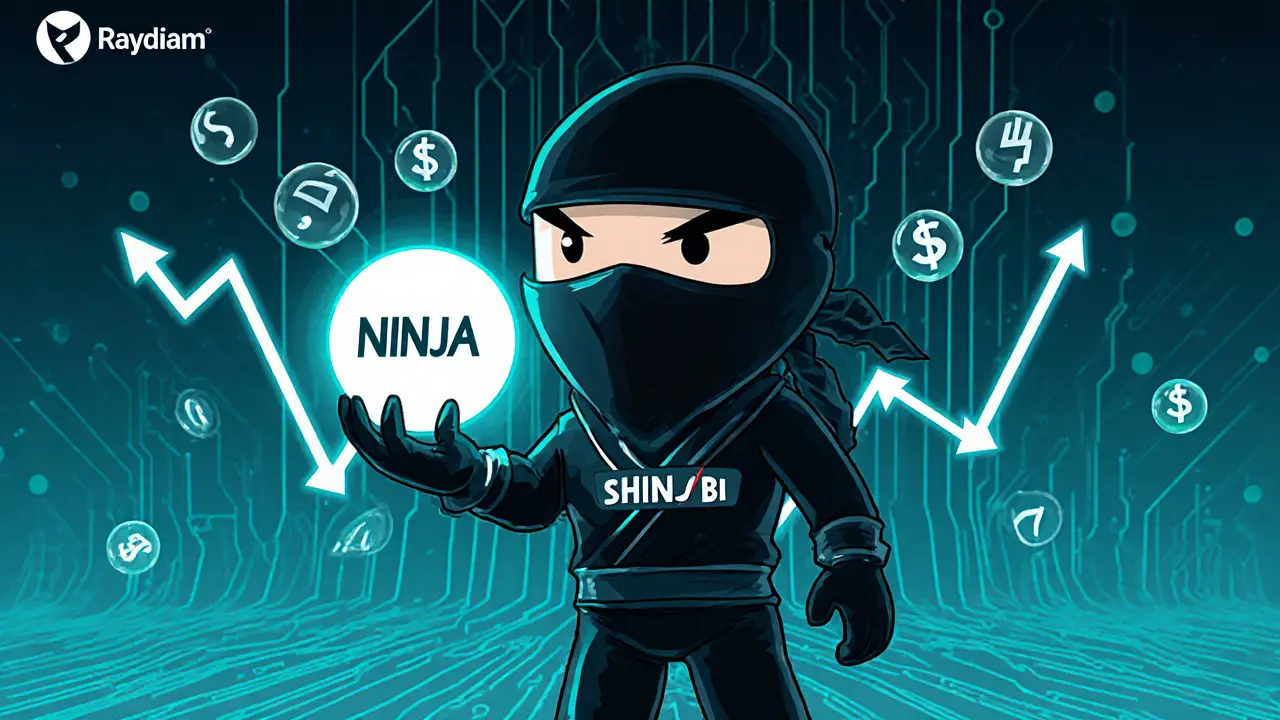
Shinobi (NINJA) Crypto Coin Explained: Basics, Price, and How to Trade
Discover what Shinobi (NINJA) crypto coin is, its specs, price range, how to buy it on Solana, and the risks involved in this concise guide.
Top News
-
Wealth Tax Treatment of Crypto in Switzerland: What You Need to Know in 2026 6.03.2026

-
BunnySwap Crypto Exchange Review: A Niche DEX with Almost No Trading Volume 5.03.2026

-
Mexico Crypto Monitoring Regulations by CNBV: What You Need to Know in 2026 1.03.2026
-
Cryptal Crypto Exchange Review: Is It Right for You in 2026? 2.03.2026

-
MOT by Mobius Finance Airdrop: What Really Happened and Where to Buy MOT Today 4.03.2026