TOWER Airdrop Guide: How to Qualify for the TOWER Token Drop in 2026

Everyone is talking about the next big thing in decentralized finance, and right now, all eyes are on the TOWER ecosystem. If you have been scrolling through Twitter or checking Discord servers lately, you have probably seen whispers about a potential TOWER airdrop that could be worth serious money. But here is the hard truth: there is no official confirmation yet from the core team regarding a specific snapshot date or distribution mechanism.
So, why are people so obsessed? Because TOWER represents a new wave of modular infrastructure in blockchain technology. When projects like this launch, they often reward early adopters. The goal of this guide is to help you position yourself correctly so that if-and when-they do drop those tokens, you are not left empty-handed. We will break down what TOWER actually does, how to interact with it safely, and the common traps you need to avoid in 2026.
What Exactly Is the TOWER Project?
Before you start clicking buttons hoping for free tokens, you need to understand what you are getting into. TOWER is a blockchain infrastructure project focused on modular consensus and data availability. Think of it as the backbone that helps other blockchains run faster and cheaper. It doesn't just sit there; it enables high-throughput applications by splitting up the heavy lifting of processing transactions.
In the current crypto landscape of 2026, scalability is still the biggest bottleneck. While Layer 1 solutions like Ethereum handle security, they struggle with speed. TOWER steps in to provide the computational power needed for complex decentralized apps (dApps) without clogging up the main network. This makes it highly attractive to developers building everything from decentralized exchanges to gaming platforms. Understanding this utility is key because airdrops usually target users who actually use the product, not just speculators watching charts.
Why You Should Care About the Potential Airdrop
Airdrops are essentially marketing tools. Projects give away tokens to create a broad base of holders who have a financial stake in the network's success. Historically, early interactions with major infrastructure projects have paid off handsomely. Look at past examples where users simply bridged assets or provided liquidity before a token launch-many walked away with significant returns.
The anticipation around the TOWER token stems from its strategic partnerships and the sheer amount of venture capital backing it. In 2026, investors are looking for "pick-and-shovel" plays in crypto. Instead of betting on which meme coin will go viral, they bet on the infrastructure that supports the entire industry. TOWER fits that description perfectly. If the tokenomics follow standard industry patterns, early testers and active users will likely receive a portion of the total supply to incentivize further growth.
Step-by-Step: How to Position Yourself for Eligibility
Since there is no official checklist yet, we have to look at what similar projects require. Based on trends from recent successful airdrops in 2025 and early 2026, here is your action plan to maximize your chances of qualifying.
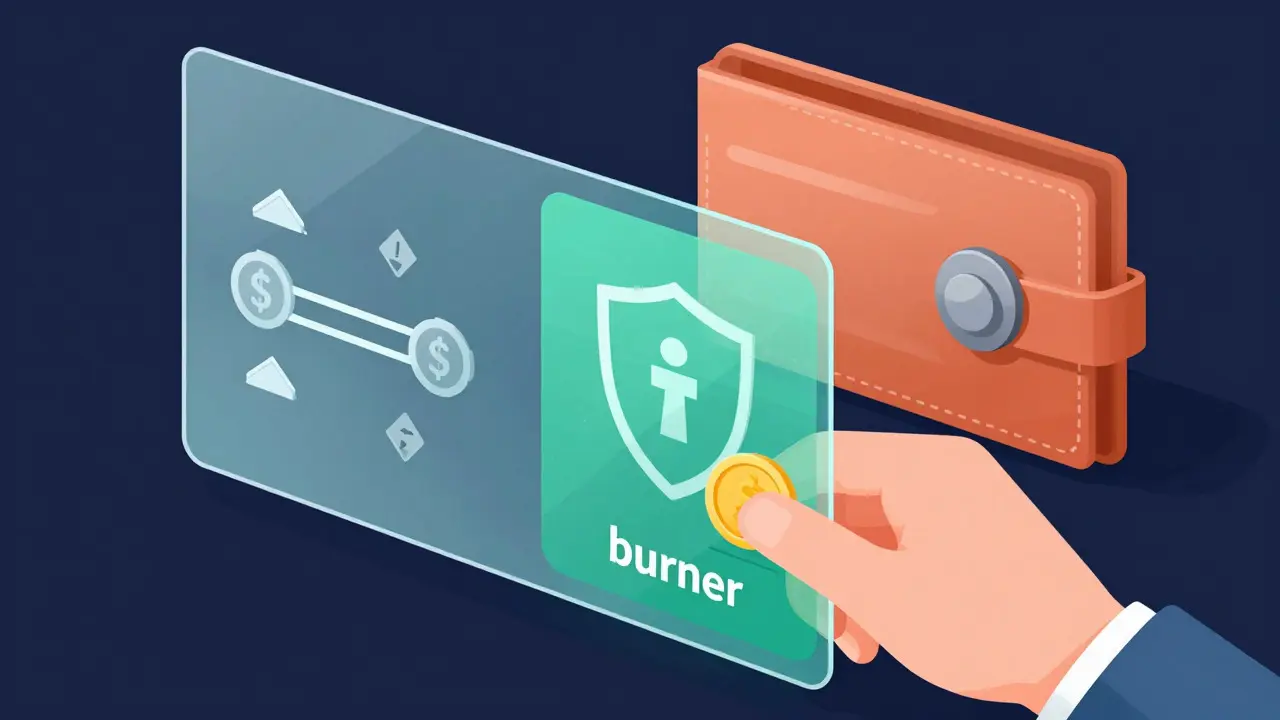
- Create a Dedicated Wallet: Do not use your main wallet holding your life savings. Create a fresh MetaMask or Rabby Wallet instance specifically for testing new protocols. This minimizes risk if you accidentally approve a malicious contract.
- Bridge Assets to Testnet/Mainnet: Once TOWER launches its testnet or mainnet bridge, move small amounts of ETH or USDC across. Bridges are one of the most common metrics used for eligibility. Aim for multiple transactions over several weeks rather than one huge transfer.
- Interact with dApps Built on TOWER: Find the first few decentralized applications launching on the TOWER infrastructure. Swap tokens, provide liquidity, or mint NFTs. These actions prove you are an active user, not just a bot.
- Join the Community Early: Sign up for their Discord and Twitter. Often, projects assign points or badges for community participation. Being an active member can sometimes trigger exclusive whitelist spots.
- Stake if Available: If TOWER introduces a staking mechanism for validators or delegators, participate with a modest amount. Staking demonstrates long-term commitment to the network's security.
Understanding the Risks: Scams and Security
Here is where things get tricky. The moment a project gains hype, scammers swarm the space. In 2026, phishing attacks are more sophisticated than ever. They don't just send spam emails; they clone websites pixel-for-pixel.
Always verify URLs. Bookmark the official TOWER website and social media channels directly from verified sources. Never click links sent via direct message on Discord or Telegram, even if they look like they come from a moderator. Real teams rarely DM you first.
Also, watch out for "approval" scams. When interacting with smart contracts, you might be asked to approve unlimited spending of your tokens. Use tools like Revoke.cash regularly to check and revoke permissions for any contract you no longer use. This simple habit has saved thousands of wallets from being drained.
Comparison: TOWER vs. Other Infrastructure Plays
| Project | Primary Focus | Airdrop Status (2026) | Key Metric for Eligibility |
|---|---|---|---|
| TOWER | Modular Consensus | Rumored / Unconfirmed | Bridging & dApp Usage |
| Celestia | Data Availability | Launched (TIA) | Testnet Participation |
| EigenLayer | Restaking | Launched (EIGEN) | ETH Restaking Volume |
| Berachain | Liquidity-Incentivized L1 | Upcoming (BERA) | Liquidity Provision |
As you can see, TOWER sits in a competitive space. However, its unique approach to consensus separation gives it a distinct edge. While Celestia focuses purely on data availability, TOWER aims to integrate consensus layers more tightly with execution environments. This nuance matters because it determines which developers will build on top of it, which in turn drives token demand.
Tokenomics Speculation: What to Expect
Although the final tokenomics haven't been published, we can make educated guesses based on industry standards. Most modern DeFi projects allocate between 10% to 20% of their total supply to community incentives and airdrops. Another significant chunk goes to the team and early investors, usually subject to vesting periods of 1 to 4 years.
If TOWER follows this model, the circulating supply at launch might be relatively low compared to the total supply. This means initial price volatility could be high. For airdrop recipients, this presents both an opportunity and a risk. Selling immediately upon listing might yield quick profits, but holding could result in larger gains if the project delivers on its technological promises. Always do your own research (DYOR) and never invest more than you can afford to lose.
Common Mistakes to Avoid
I see too many people making the same errors when chasing airdrops. Here is how to stand out from the crowd:
- Botting Behavior: Don't try to automate hundreds of tiny transactions. Smart contracts can detect non-human behavior. Quality interactions matter more than quantity. One meaningful swap is better than fifty micro-transfers made in seconds.
- Ignoring Gas Fees: Ensure you have enough native tokens (like ETH or MATIC, depending on the chain) to cover gas fees. Running out mid-transaction can lead to failed operations and wasted time.
- FOMO Buying: Don't buy unrelated tokens just because they are trending. Stick to the protocol you are trying to qualify for. Diversification is good for investing, but bad for targeted airdrop farming.
- Neglecting KYC: Some projects require Know Your Customer (KYC) verification for large airdrop claims. Have your ID documents ready and ensure your wallet address matches your identity if required.
Final Thoughts on the TOWER Opportunity
The crypto market moves fast, and opportunities like the potential TOWER airdrop don't last forever. By staying informed, interacting safely, and avoiding scams, you put yourself in the best possible position. Remember, consistency is key. Regular, organic usage of the platform is the golden ticket. Keep an eye on official announcements, stay patient, and let the protocol work for you.
Is the TOWER airdrop confirmed?
As of mid-2026, there is no official confirmation from the TOWER team regarding a specific airdrop date or mechanics. However, strong rumors and community speculation suggest that early users will be rewarded. Always wait for official announcements from their verified Twitter or Discord channels before assuming anything.
How much does it cost to farm the TOWER airdrop?
The cost varies depending on gas fees and the amount of assets you want to bridge or stake. To minimize costs, interact during off-peak hours when network congestion is low. You can start with as little as $10-$20 in assets to test the waters, though higher volumes may increase your eligibility tier.
Which wallet should I use for TOWER interactions?
MetaMask and Rabby Wallet are the most widely supported wallets for EVM-compatible chains like TOWER. Ensure your wallet software is updated to the latest version to support new token standards and improve security against known vulnerabilities.
Can I use a burner wallet for the airdrop?
Yes, using a separate "burner" wallet is highly recommended. This isolates your risk, ensuring that if you interact with a buggy smart contract or fall victim to a scam, your main portfolio remains safe. Just remember to keep the private keys secure.
When will the TOWER token launch?
There is no fixed launch date yet. Infrastructure projects often take months to refine their mainnet stability. Monitor the TOWER GitHub repository and developer updates for signs of a mainnet release, which typically precedes a token launch by a few weeks.