What is Chains of War (MIRA) Crypto Coin? A Deep Dive into the Cardano Gaming Token
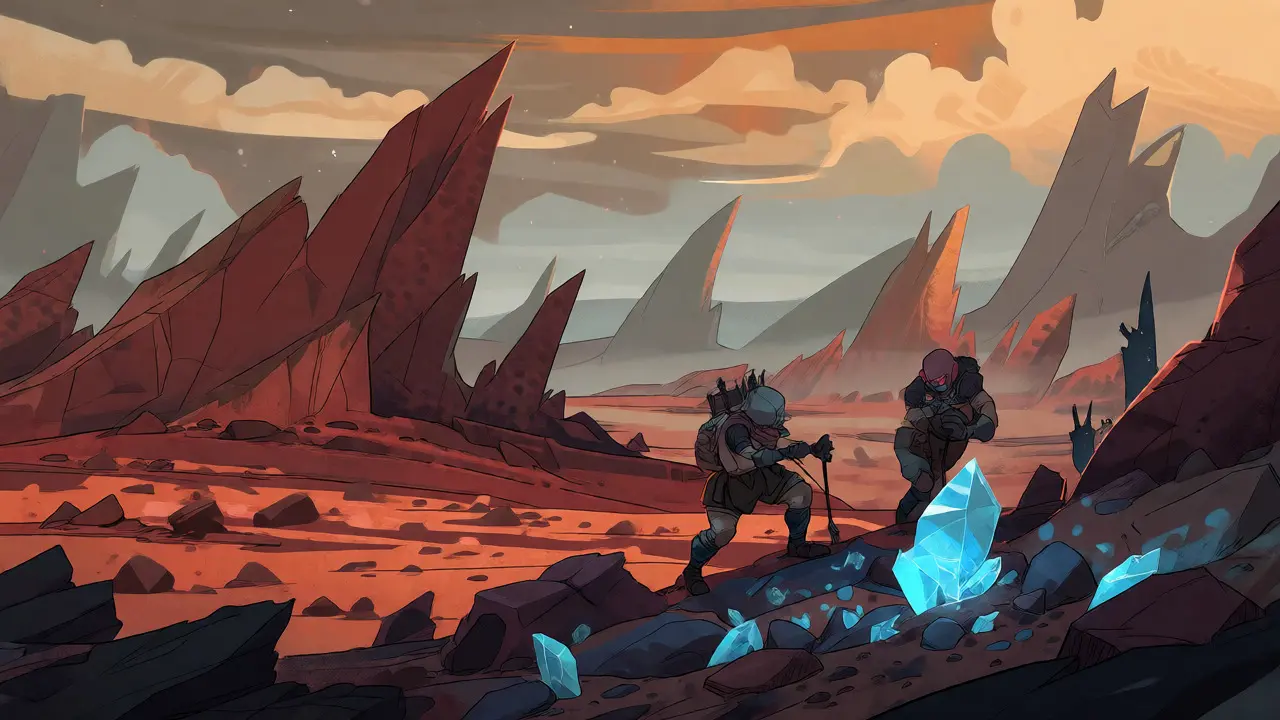
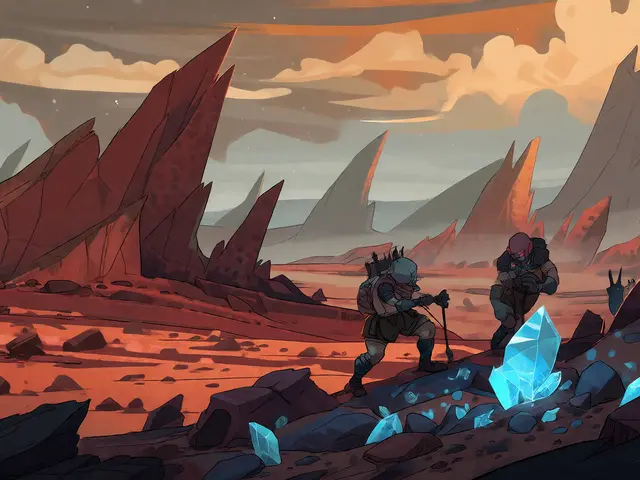
Imagine a post-apocalyptic world where oxygen is scarce and survival depends on mining a rare mineral called Mira. Now, imagine that this isn't just a sci-fi novel, but a living economy on the Cardano blockchain. That is the core premise behind Chains of War (MIRA), a utility token designed to power a fantasy gaming ecosystem. If you are wondering what drives the value of MIRA or whether it has any real-world application beyond speculative trading, you have come to the right place.
This article breaks down exactly what MIRA is, how it functions within its game universe, and why its price data looks so confusing across different platforms. We will also look at the technical architecture, the current market reality, and the risks involved in holding a token from a project still in active development.
The Core Concept: More Than Just a Coin
At its heart, MIRA is the official utility token for the Chains of War franchise. Unlike many cryptocurrencies that exist solely as digital assets, MIRA is tied directly to a multi-platform gaming experience set on the planet Tyrrha. The lore describes a world where ecosystems collapsed, leaving inhabitants dependent on M-S3 minerals, known as "Mira," to survive in an oxygen-deprived environment.
The developers aim to blend traditional gaming mechanics with blockchain technology. This means players can own in-game assets as Non-Fungible Tokens (NFTs) and use MIRA tokens for transactions within the game’s economy. The goal is to create a seamless experience where cryptocurrency enthusiasts and casual gamers coexist. By making the game free-to-play while using blockchain for asset ownership, the team hopes to lower the barrier to entry for non-crypto users.
Technical Architecture and NFT Ecosystem
The infrastructure relies heavily on the Cardano network. Choosing Cardano over Ethereum was a strategic move to leverage lower transaction fees and better energy efficiency. This decision appeals to environmentally conscious gamers who might be deterred by the high gas fees associated with other major blockchains.
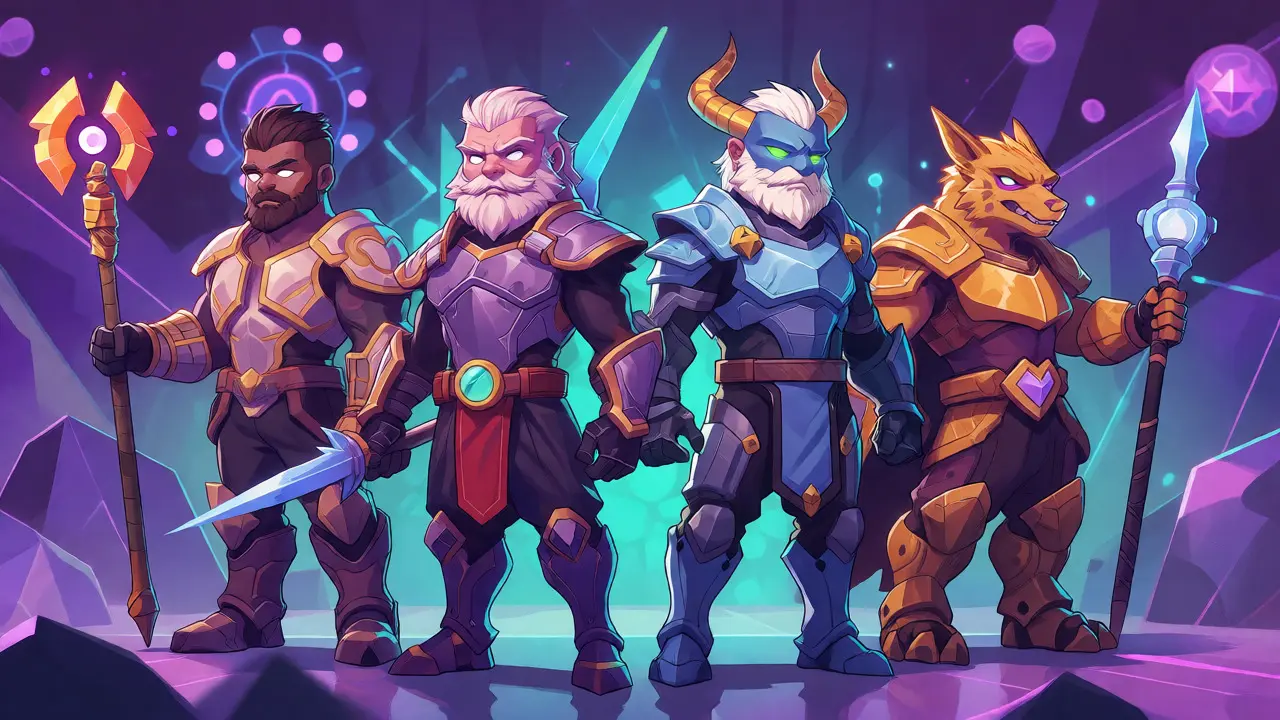
A central pillar of the project is the Genesis Heroes collection. This consists of 10,000 unique 3D-based characters representing four distinct species from the planet Tyrrha. Each hero comes with detailed stats, classes, gear, and weapons. These aren't just static images; they serve as the foundation for gameplay. Players can use an innovative NFT forge system to customize these heroes, creating new items through gameplay and integrating them into their character profiles.
The upcoming game, currently working under the title Chains of War: Escape from Tyrrha, combines battle royale survival mechanics with looting elements. The idea is to create an addictive loop where players must survive hostile environments while collecting resources that potentially drive demand for the MIRA token.
Market Performance and Price Volatility
If you try to check the price of MIRA today, you might get three completely different answers depending on which platform you visit. This discrepancy is one of the most notable features of the token's current market status. As of late September 2026, the data shows extreme variance:
| Platform | Reported Price (USD) | 24-Hour Volume (USD) | Rank/Status |
|---|---|---|---|
| CoinMarketCap | $0.0343 | $22.12 | #6273 |
| CoinGecko | $0.0003019 | $127.18 | +1.49% (24h) |
| Bybit | $0.00029954 | N/A | +3.21% (24h) |
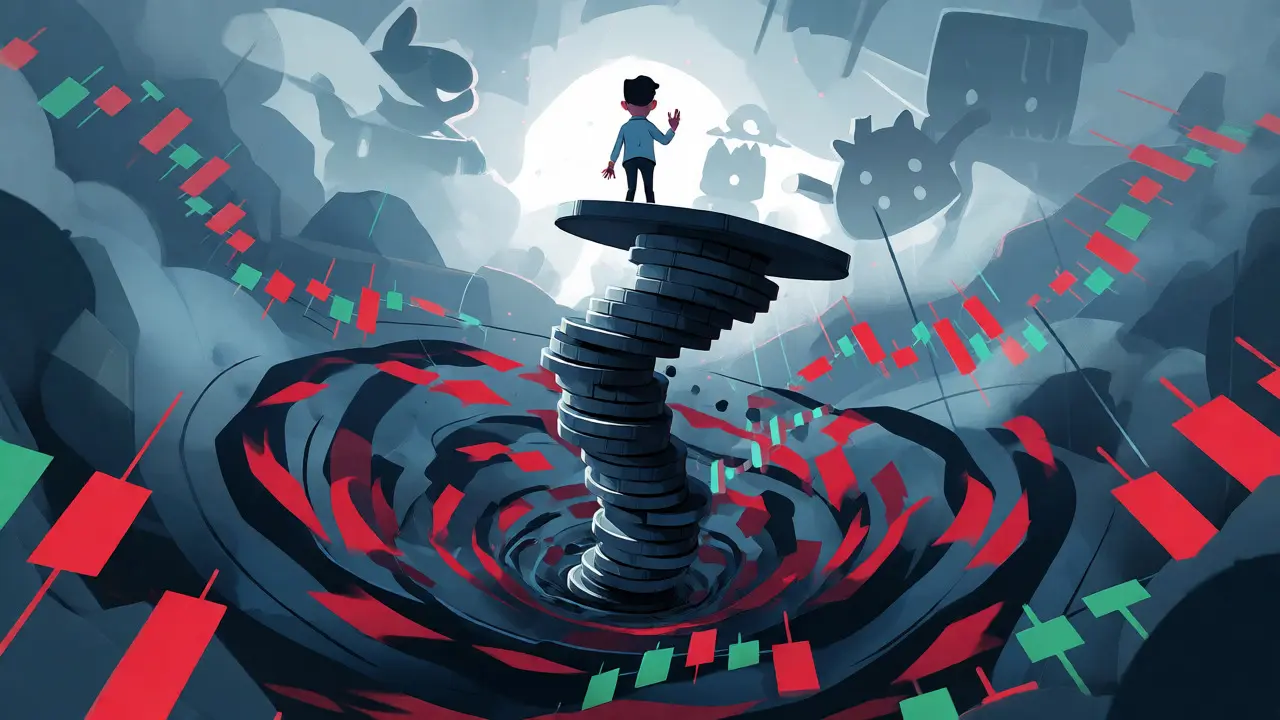
Why such a massive difference? It usually points to low liquidity. When trading volume is minimal-note the $22.12 daily volume on CoinMarketCap-a single trade can skew the average price significantly. The token hit its all-time high of $0.02013 in December 2023 but has since declined by over 98%. Its all-time low was recorded in July 2025 at roughly $0.0003454. This volatility makes it difficult to gauge the true market sentiment without looking at longer-term trends rather than spot prices.
Comparing MIRA to Established Gaming Tokens
To understand where Chains of War fits in the broader landscape, compare it to industry giants like Axie Infinity (AXS) or The Sandbox (SAND). Those projects boast market capitalizations in the billions and millions of active users. MIRA, by contrast, operates in a much smaller niche.
- Adoption: Axie and Sandbox have established player bases and proven economies. MIRA is still building its community.
- Blockchain Choice: Most top-tier gaming tokens started on Ethereum. MIRA chose Cardano, which offers cheaper transactions but less immediate exposure to the largest DeFi ecosystems.
- Asset Quality: Chains of War focuses heavily on high-quality 3D art and deep lore, aiming to differentiate itself through storytelling rather than just simple play-to-earn mechanics.
The project positions itself as a mid-tier contender. It lacks the widespread recognition of its competitors but offers a more integrated narrative experience. Whether this strategy pays off depends entirely on the final quality of the released game.
Future Outlook and Development Risks
Predicting the future of small-cap crypto tokens is always risky, especially when the underlying product hasn't fully launched. Forecasts from sources like Digital Coin Price suggest potential growth trajectories through 2032, with some models projecting prices around $0.0000000852. However, given the current inconsistencies in price reporting, treat these numbers with skepticism. They often fail to account for the lack of actual user engagement.
The primary risk for investors is the long development timeline. The project follows a multi-phase approach: launching NFT collections first, followed by gamification tools, and finally the full game release. This process can take years. During this time, the team needs sustained funding. With low trading volumes, generating revenue from token sales alone is challenging. Success hinges on delivering a game that is genuinely fun, not just a vehicle for speculation.
Community Engagement and User Feedback
Currently, community activity appears sparse compared to larger projects. Social media discussions are limited, and comprehensive user reviews are hard to find on major crypto platforms. This suggests that the actual gameplay experience remains largely untested by a broad audience. For now, interest seems driven more by the aesthetic appeal of the Genesis Heroes NFTs than by robust in-game utility.
If you are considering buying MIRA, keep in mind that you are investing in a vision more than a finished product. The value proposition rests on the promise that the final game will attract enough players to sustain token demand. Until the game launches and proves its retention rates, the token remains a speculative asset with high volatility.
What is the main purpose of the MIRA token?
MIRA serves as the primary currency within the Chains of War gaming ecosystem. It is used for transactions, NFT minting, and customizing characters in the upcoming game 'Escape from Tyrrha.' It connects the economic layer of the blockchain with the gameplay mechanics.
Why do price reports for MIRA vary so much between platforms?
The variation is due to extremely low liquidity and trading volume. With only a few dollars traded daily on some exchanges, a single large buy or sell order can drastically shift the reported price, leading to significant discrepancies between sites like CoinMarketCap and CoinGecko.
Is Chains of War built on Ethereum or Cardano?
Chains of War is built on the Cardano blockchain. This choice allows for lower transaction fees and reduced environmental impact compared to Ethereum, though it may limit interoperability with some Ethereum-based decentralized finance protocols.
Can I play the Chains of War game right now?
As of September 2026, the full game is still in active development. The project has launched NFT collections like Genesis Heroes, but the complete gaming experience, titled 'Escape from Tyrrha,' has not yet reached its final public release.
How does MIRA compare to Axie Infinity (AXS)?
MIRA is a much smaller, newer project focused on the Cardano ecosystem, whereas AXS is a mature token on Ethereum with a massive existing player base. MIRA aims to compete on narrative depth and 3D asset quality, while AXS benefits from established brand recognition and higher liquidity.