What is Nakamoto Games (NAKA)? A Guide to the Play-to-Earn Ecosystem
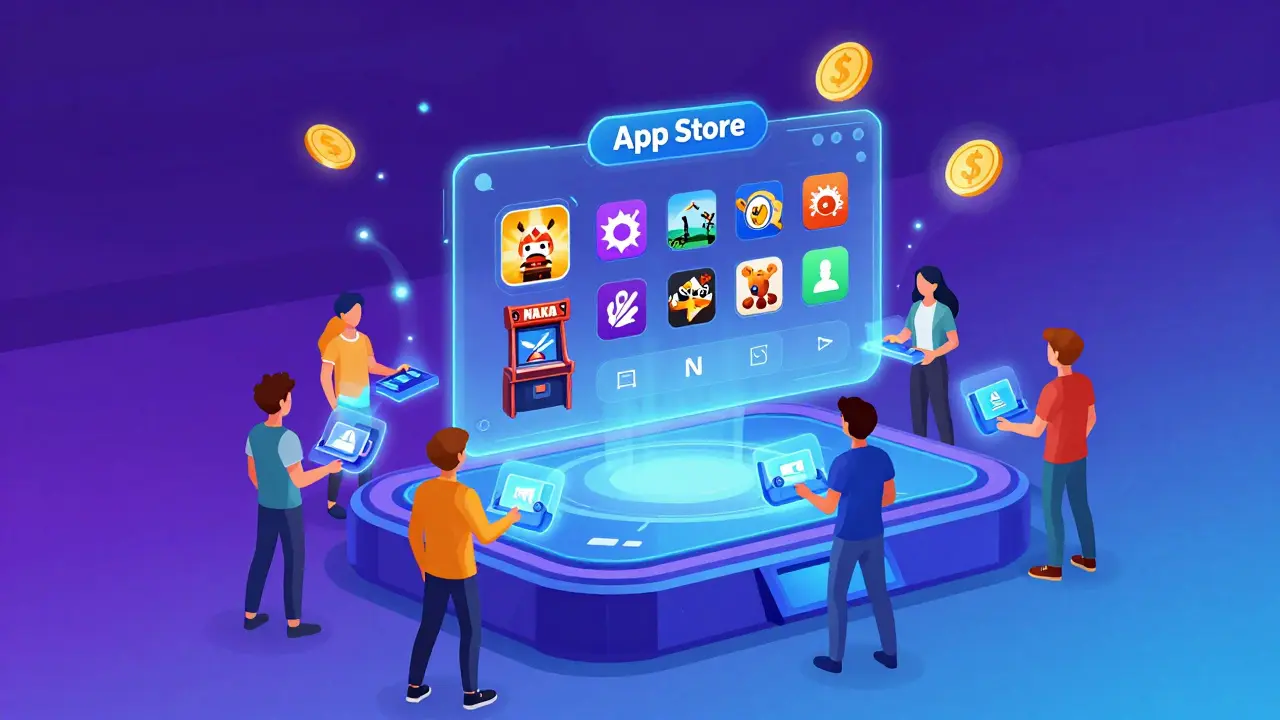
Imagine an App Store, but instead of just downloading apps, every game you play has the potential to put money in your pocket. That is exactly what Nakamoto Games is a decentralized gaming platform that acts as a hub for blockchain-based games, allowing developers to launch titles and players to earn rewards. Launched in 2021, it bridges the gap between casual gaming and decentralized finance, creating a space where your skills on a leaderboard actually translate into digital assets.
The Core of the Ecosystem: Understanding the NAKA Token
At the heart of this platform is the NAKA token. It isn't just a collectible digital coin; it's the fuel that keeps the entire machine running. If you want to enter specific games, buy in-game items to get a competitive edge, or vote on where the platform is heading next, you'll need NAKA. It functions as the primary currency for the ecosystem, meaning the more popular the games become, the more utility the token has.
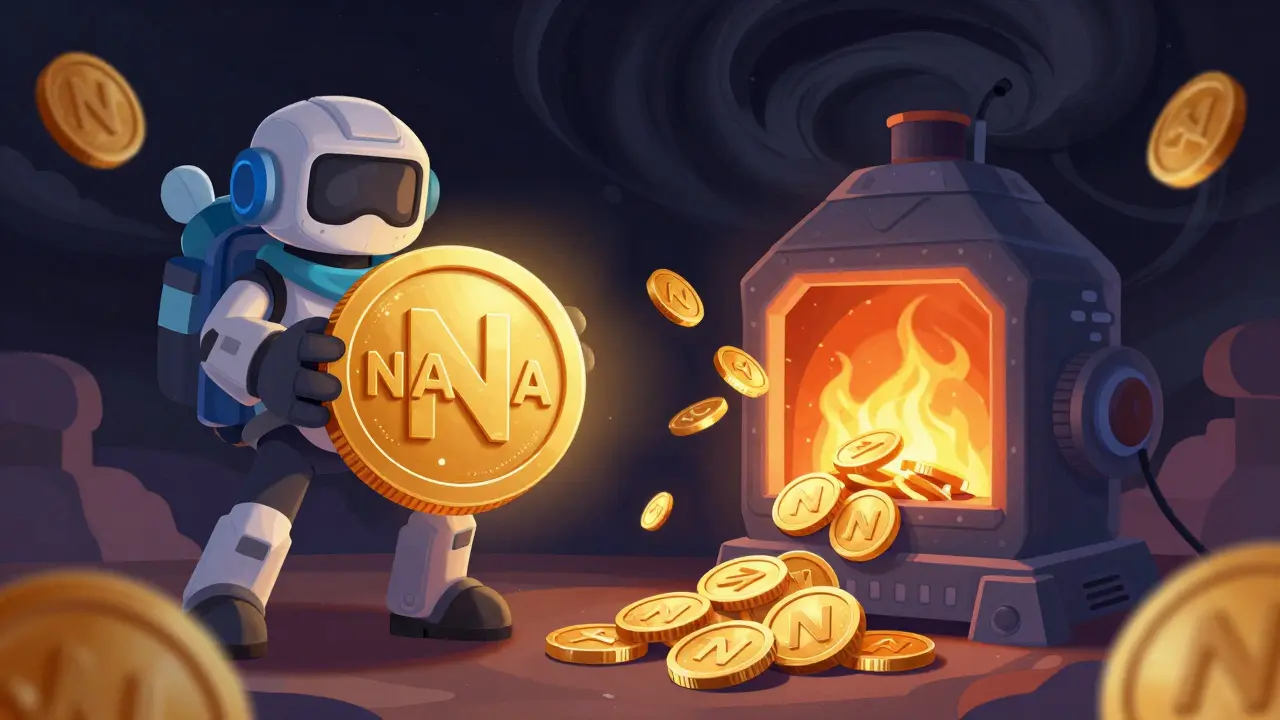
One of the more interesting parts of the NAKA economy is its deflationary approach. To prevent the market from being flooded with too many tokens, the platform uses a "burn" mechanism. Essentially, a portion of the tokens collected from weekly prize pools are sent to wallets that have no private keys. Since no one can ever access these tokens again, they are effectively deleted from existence. This is designed to create scarcity, which theoretically helps support the token's value over time.
How Nakamoto Games Actually Works
For the average person, the platform is a library of action and arcade games. You connect your crypto wallet, ensure you have some NAKA tokens, and start playing. The real draw is the competitive element: the platform tracks player performance via a leaderboard. If you're among the top players, you get a slice of the weekly prize pools.
But the real magic happens behind the scenes for developers. Instead of spending years building a blockchain infrastructure from scratch, developers use a Software Development Kit (or SDK), which is a set of software tools that allows developers to integrate blockchain features into their games quickly. This makes Nakamoto Games more of a service provider than just a single game studio, allowing a diverse range of genres to populate the platform.
| Attribute | Value / Detail |
|---|---|
| Blockchain Network | Polygon |
| All-Time High Price | $5.13 (Nov 27, 2021) |
| Current Market Cap | Approx. $5.13 Million USD |
| Circulating Supply | 65 Million NAKA |
| Primary Trading Venue | Bitget (34.8% of volume) |
The Technical Edge: Why Polygon?
If you've ever tried to use the Ethereum mainnet during a busy period, you know that "gas fees" (transaction costs) can sometimes cost more than the actual item you're buying. To avoid this nightmare, Nakamoto Games is built on the Polygon network.
By using Polygon, the platform achieves three critical goals: speed, affordability, and sustainability. Transactions are finalized in seconds rather than minutes, and the fees are negligible, which is essential for a gaming environment where players might make dozens of small transactions a day. Furthermore, because it's a more energy-efficient layer, it avoids the massive carbon footprint associated with older blockchain tech.
Winning and Earning: The GameFi Model
The platform falls under the umbrella of GameFi, a blend of gaming and decentralized finance. Unlike traditional games where you spend money on "skins" or "battle passes" that have no real-world value, Nakamoto Games focuses on a play-to-earn (P2E) model.
You can engage with the platform in a few different ways:
- Active Gameplay: Competing in games to climb the leaderboard and win weekly NAKA rewards.
- Staking: Using the staking portal to lock up your NAKA tokens, which can generate yield over time.
- Governance: Holding tokens to have a say in the platform's policy changes and feature updates.
This creates a cycle where the player is no longer just a consumer but a stakeholder in the platform's success.
Market Reality and Risks
It is important to be realistic about the numbers. While the project had a massive surge in 2021, hitting a peak of $5.13, the token has seen a significant decline since then-roughly 92% off its high. This is a common pattern in the crypto world, where early hype often outweighs long-term adoption.
As of April 2026, the token shows some modest signs of life with a 7% increase over the last week, but it remains a small-cap project. The risk here is the same as any low-cap crypto: volatility is high, and the token's value depends entirely on whether new games are added and whether players keep coming back. If the "App Store" model fails to attract top-tier developers, the token loses its primary utility.
How do I start earning NAKA tokens?
To earn NAKA, you first need to connect a compatible cryptocurrency wallet to the Nakamoto Games platform. Once connected, you can play the available games in the library. The platform rewards top-ranking players through weekly prize pools based on their leaderboard positions.
Is Nakamoto Games safe to use?
The platform uses the Polygon blockchain, which is a well-established network. However, like all DeFi and GameFi platforms, the risk lies in wallet security and market volatility. Always use a secure wallet and only invest what you can afford to lose, as the NAKA token price can fluctuate wildly.
What happens to the burned NAKA tokens?
When tokens are "burned," they are sent to a dead wallet-an address where the private keys do not exist. This means the tokens are gone forever, which reduces the total supply in circulation and is intended to create upward pressure on the price through scarcity.
Can I use NAKA on other platforms?
NAKA is the native token for the Nakamoto Games ecosystem. While you can trade it on various exchanges like Bitget, KuCoin, and MEXC, its primary utility is within the Nakamoto Games environment for gaming, staking, and governance.
What is the difference between NAKA and traditional gaming currency?
Traditional gaming currencies (like V-Bucks or Robux) are closed-loop; you buy them from the company and cannot easily turn them back into real cash. NAKA is a blockchain asset, meaning it can be traded on open exchanges for other cryptocurrencies or fiat money, giving players actual ownership of their earnings.
Next Steps for New Users
If you are new to this, don't jump in by buying massive amounts of tokens immediately. Start by exploring the game library to see if you actually enjoy the gameplay. A common pitfall is buying into the "earning" potential without checking if the games are actually fun-because if the games aren't fun, the players leave, and the token value usually follows.
For those looking to earn, focus on the leaderboard strategies and keep an eye on the staking portal for the latest yield percentages. If you're a developer, check out their SDK documentation to see how your current project might fit into a Web3 ecosystem without needing to be a blockchain expert.

Kathleen Bergin
Polygon is basically just a sidechain to make Ethereum usable for people who can't afford $50 in gas for a single transaction.
Yvette P
Oh, absolutely, because nothing says "future of gaming" like a deflationary tokenomic model designed to create artificial scarcity through a burn mechanism that basically just mimics the basic supply-and-demand curves we've seen in every other speculative asset bubble since the Dutch Tulip Mania, but hey, let's all just pretend that the SDK integration is a revolutionary paradigm shift in the GameFi vertical while we ignore the 92% drawdown from the all-time high which is just *so* typical of these low-cap volatility plays in a bear market!
Jason M
It is absolutely heart-wrenching to see so many people lose money on the initial hype, but we can still find a path forward together! If you're just starting out, please remember that the community is here to support you and we can learn the ropes of the leaderboard together!
Jennifer L
I believe it is quite importent that we remian open to these new technololgies even if they seem frituous at first glance.
Ali Tate
imagine thinking a 5 million dollar market cap is a real ecosystem lol absolutely mid tier garbage
Keith Garcia
The sheer audacity of presenting a project that has plummeted 92% as a viable investment is simply breathtaking 🙄. One would think that a modicum of financial literacy would preclude the endorsement of such a volatile asset. Truly a masterclass in mediocrity ✨.
Tony Gurley-Ward
Maybe the decline is actually a feature, not a bug. We're all just digital ghosts chasing a leaderboard in a simulated casino anyway, so why not embrace the chaos of the dip?
Findlay Duncan Lyon
Seems like a decent way to earn some extra cash while gaming.
Lisa Camp
Stop whining about the price and just start grinding the leaderboard if you actually want to make money!
Gary Lingrel
another scam coin just to take money from poor people... typical 🙄
Jennifer Taylor
They want us to connect our wallets so they can track our identity and steal our data for the new world order. Don't trust the Polygon network.
Sarah Ingrams
i feel you on the risk part it is scary
Liz Ariza
Just be careful with your keys! 🗝️ Stay safe and have fun playing those arcade games 🎮✨
Charlie Queen
Love seeing more ways to bridge the gap between different cultures through gaming! 🌍🤝
praveen subbiah
My country is leading the way in tech and we will definitely dominate these gaming boards soon! Very exciting stuff!
Paige Raulerson
The UI is honestly a bit dated for something claiming to be the "App Store" of blockchain.