Wicrypt (WNT) NFT & Device Drop Airdrop: Full Details and Project Analysis
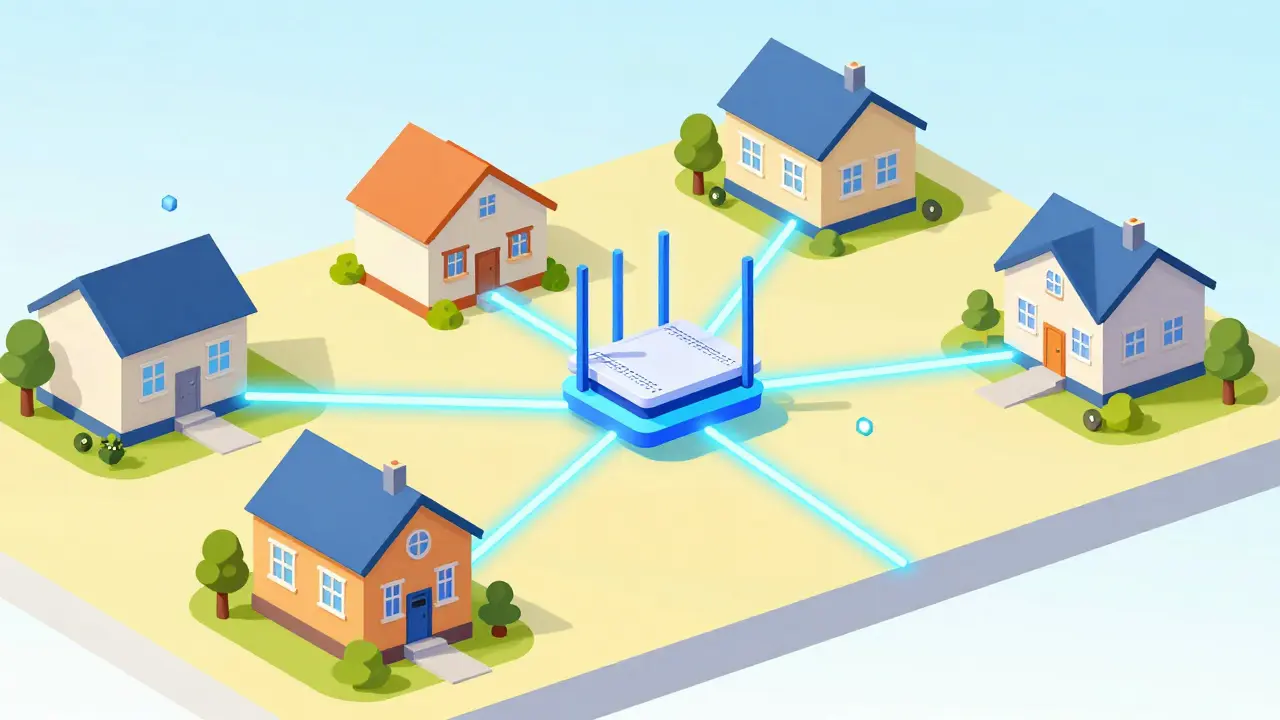
Imagine getting paid just for letting your neighbors use your leftover internet bandwidth. That is the core promise of Wicrypt is a decentralized wireless infrastructure project designed to allow users to monetize their internet connection through physical hardware. Also known as the Wicrypt Network, it aims to solve connectivity issues in emerging markets by turning regular homes into mini internet service providers.
If you are hunting for the Wicrypt airdrop, specifically the "NFT & Device Drop," you need a clear picture of what is actually happening. Many users confuse initial token distributions with ongoing airdrops. While there is significant buzz around potential rewards, the reality of the WNT ecosystem is more tied to hardware than simple wallet snapshots. Let's break down how this works and whether the rewards are still attainable.
The Reality of the WNT Airdrop and Token Distribution
To understand the current state of rewards, we have to look at the WNT token. This is the native utility token used for governance, transactions, and rewarding those who provide bandwidth. Most of the initial WNT distribution happened during the Token Generation Event (TGE) which wrapped up in December 2021.
Unlike a traditional "click-and-claim" airdrop, Wicrypt's model is based on "Proof of Coverage" or "Proof of Connectivity." This means rewards are typically linked to the deployment of physical hardware. If you see offers for an NFT drop, it is usually tied to the ownership of a specialized router. The project raised $1.5 million in private funding back in 2021, but the bulk of the token flow was managed through linear vesting schedules-some over two months and others stretching across 36 months to prevent market crashes.
How the Wicrypt Device Drop Works
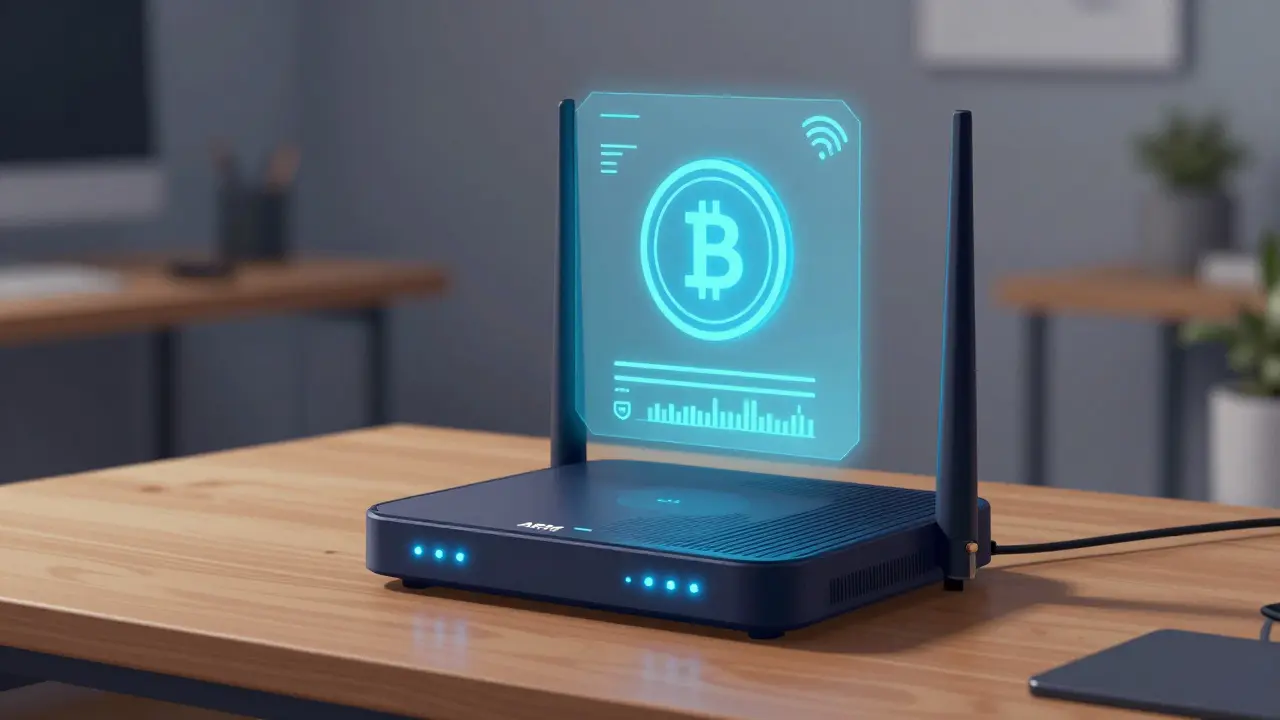
The "Device Drop" isn't a free giveaway in the way most people think. Instead, it refers to the deployment of Wicrypt Routers which are specialized ARM-based hardware devices with dual-band Wi-Fi (2.4GHz and 5GHz) and gigabit Ethernet ports.
To actually earn WNT and participate in the network's value distribution, the process generally follows these steps:
- Hardware Acquisition: Users purchase the physical router (originally priced around $99).
- Network Integration: The device is connected to an existing internet source, effectively bridging the gap between the blockchain and the physical world.
- Bandwidth Sharing: By allowing others to connect, the device validates connectivity and earns rewards based on the amount of data shared.
- Reputation Scoring: The protocol uses a reputation system to ensure that those providing high-quality, stable internet earn more than those with frequent outages.
Comparing Wicrypt to Other Decentralized Networks
Wicrypt isn't the only player in the "DePIN" (Decentralized Physical Infrastructure Networks) space. It often gets compared to Helium, but they operate very differently. While Helium focuses on LoRaWAN (low-power, long-range) for IoT devices, Wicrypt focuses on standard Wi-Fi for human users. This makes Wicrypt's utility more immediate for the average person who just wants an internet connection.
| Feature | Wicrypt (WNT) | Helium (HNT) |
|---|---|---|
| Primary Technology | Standard Wi-Fi | LoRaWAN / 5G |
| Core Use Case | Consumer Internet Sharing | IoT / Sensor Networks |
| Hardware Focus | ARM-based Routers | Hotspots / Miners |
| Target Market | Emerging Markets (e.g., Nigeria) | Global IoT Infrastructure |
Practical Risks and Pitfalls to Avoid
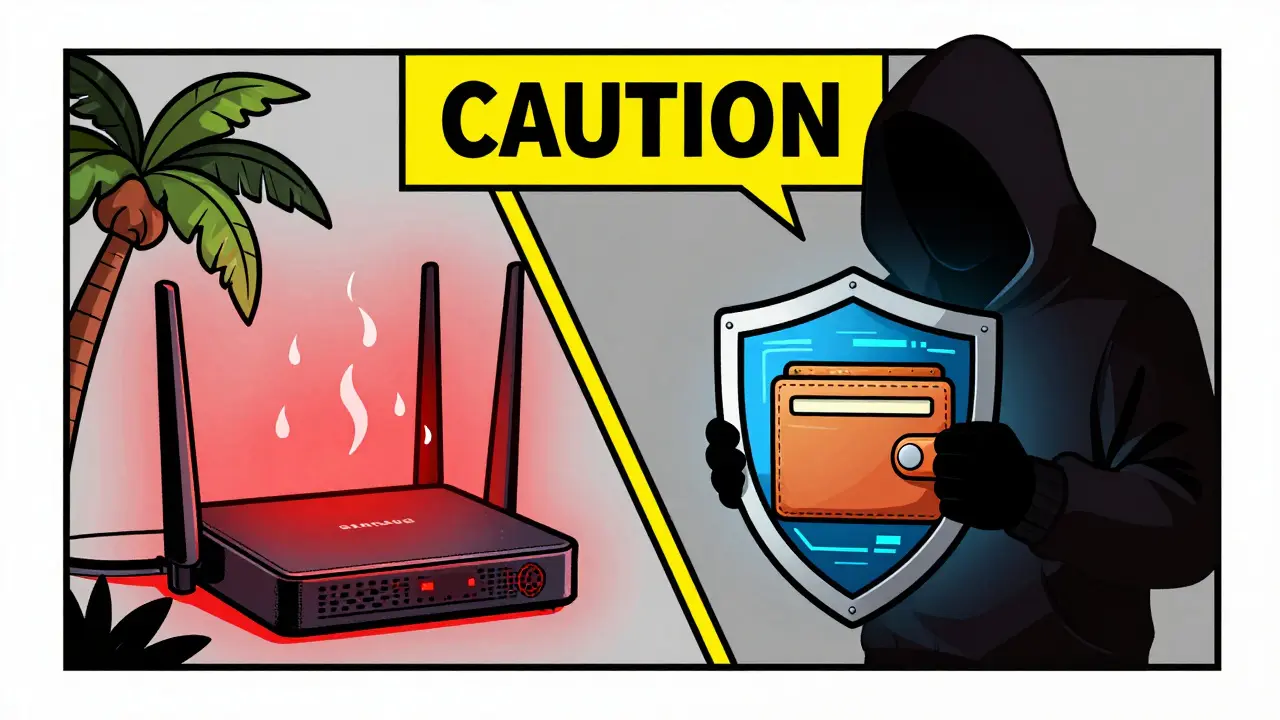
Before you go searching for a way to claim WNT, you need to be aware of the red flags. The crypto world is full of fake airdrop pages that ask for your seed phrase. A real Wicrypt reward would never ask for your private keys.
Beyond scams, there are operational risks. Early adopters in regions like Lagos reported earning around $3.50 daily, but others faced a 40% drop in earnings due to frequent device reboots. If you are in a tropical climate, be warned: about 23% of users in those areas reported device overheating, which can kill your earning potential quickly. Furthermore, the project's development has slowed significantly. GitHub activity largely stopped in March 2022, and many major exchanges have delisted the token. This makes any "airdrop" highly speculative.
Is the Wicrypt Ecosystem Still Viable?
If we look at the numbers, the project had a rocky start. While it successfully targeted markets where internet is expensive-like Nigeria, where connectivity can cost over 7% of a monthly income-it struggled to scale. For comparison, while Helium deployed over 500,000 hotspots by late 2021, Wicrypt's estimated deployment was closer to 1,200 devices.
From a technical standpoint, the Cardano blockchain was the initial launchpad via OccamRazer. The reliance on hardware is always a double-edged sword; it provides real-world utility, but it creates a massive barrier to entry compared to a software-only project. If the hardware stops being manufactured or updated, the network effectively dies.
How do I participate in the Wicrypt airdrop?
Most WNT distribution happened during the initial TGE and IDO on Cardano. Currently, rewards are primarily earned by owning and operating a Wicrypt hardware device. Be extremely cautious of third-party websites claiming to offer free WNT airdrops, as these are often phishing scams.
What is the WNT token used for?
WNT is the utility token of the Wicrypt network. It is used to reward users who share their bandwidth, pay for internet access within the decentralized network, and participate in the project's governance.
Do I need a special device to earn WNT?
Yes, unlike most crypto airdrops, Wicrypt requires a physical router optimized for blockchain operations. This device manages the sharing of your internet bandwidth and communicates with the blockchain to verify your contributions.
Is Wicrypt still active in 2026?
The project has seen a significant decline in activity. Most major exchanges have delisted WNT, and development on their GitHub repository has been stagnant since early 2022. While some community members remain, the project is not currently in a high-growth phase.
Which blockchain does WNT use?
WNT initially launched on the Cardano blockchain through the OccamRazer launchpad, though the project intended to expand into a multi-chain ecosystem to increase accessibility.
Next Steps for Users
Depending on where you stand, your next move should differ:
- For Newcomers: Do not buy hardware based on "airdrop" hype. Check current trading volumes on decentralized exchanges to see if the token has any liquidity.
- For Current Device Owners: Ensure your device is well-ventilated to avoid the overheating issues reported by other users and keep your firmware updated if possible.
- For Investors: Look for newer DePIN projects with active GitHub commits and larger community growth, as Wicrypt's development has largely stalled.



Prachi Bhadarge
Imagine actually buying hardware for a project whose GitHub has been a ghost town since 2022. Pure comedy. 🙄
Alex Long
this is just a scam. total waste of time.
Andrew Southgate
It is really fascinating to see how the DePIN model tries to bridge the gap between digital assets and physical utility, although I must admit that the hardware dependency creates a significant bottleneck for scalability in the long run. If we look at it from a technical perspective, the ARM-based architecture is solid for these types of routers, but without consistent firmware updates, the security risks start to pile up quite quickly, and that is where most of these smaller projects tend to fail while the bigger ones like Helium manage to iterate faster. I think the idea of monetizing leftover bandwidth is still a winner, but the execution here seems to have lagged behind the initial hype cycle, which is a common story in the Cardano ecosystem from that era.
Trudy Morse
Hardware is just a physical anchor for digital greed. Classic.
Anna Grealis
The 23% overheating stat is probably a lie to hide the realy bigger issue. They probably want us to buy some 'cooling kit' next. Typical corporate greed hiding behind a decentralized facade. Dont trust the numbers they feed us.
Shantal Sanjur
Oh great, another 'revolutionary' project that basically just tells you to buy a plastic box and pray. I love how these things always target 'emerging markets' when they actually just mean 'people who don't know any better.' Absolutely precious. 💅
Kevin Lư
Honestly, it's kinda sad that people still fall for the airdrop lure. Just be honest and say it's a dead coin, man. No need to sugarcoat it with 'speculative' labels.
Tracy Sperandio
Let's get fired up about the actual potential of DePIN! Even if this specific venture is stalling, the spark of decentralized infrastructure is an absolute game-changer for global connectivity. We need to keep pushing these boundaries and demanding more transparency from developers! This is how we revolutionize the web!
Ian Chait
Total rubbish. Probly some state-level honey pot for data harvesting. Use a proper VPN and stop trustin these 'decentralized' toys. All the same shadiness under the hood.
Nishant Goyal
Interesting comparison with Helium.
nathan jones
Seems okay I guess.
Robert Preston
I have to agree that the hardware barrier is the biggest issue here. For anyone considering this, please do your due diligence and check the current liquidity on DEXs first. It is not worth risking your capital on a project with no active development.
Shannon Kelly Smith
Keep learning, everyone! 🚀 The best way to avoid scams is to stay curious and always double-check the official channels! 💡
Saurav Bhattarai
Imagine thinking a $99 router in Nigeria is a 'revolution'. Truly an elite level of delusion. 🙄
John and Lauren Busch
Meh, sounds like a fancy way to say 'my router is broken'.
Sean Mitchell
The sheer audacity of promoting a project with zero GitHub activity for four years is practically a work of art in its own right. Absolutely tragic.
Thomas Jewett
This is what happens when you let these globalist schemes take over local internet! We should be buildin our own networks that dont depend on some Cardano token from a company that probably doesnt even exist anymore. Absolute disgrace to the industry!
Gaurav Undirwade
It is profoundly disappointing that the masses seek wealth through mere 'airdrops' rather than pursuing actual intellectual mastery of the blockchain. This obsession with free tokens is a symptom of a deeper moral decay in the investment community.
Chintu Parikh
I believe there is still a chance for recovery if the community organizes a hard fork or a new development initiative, and I would be honored to collaborate with anyone wishing to revitalize this vision!
Mike Kempenich
Stay positive guys, maybe it's just a long-term pivot. Though I wouldn't put my life savings into it right now.
Gillian Kent
Hope people in Lagos are doing okay with the heat issues. Sounds realy tough to manage hardware in that clima.
Vicky Duffala
Who cares if the dev slowed down? The dream of a decentralized web is still alive and kicking! Let's focus on the bigger picture of connectivity for everyone everywhere! 🌟
Andrew Southgate
I completely agree with the sentiment regarding the hardware risks, and it's worth noting that in many emerging markets, the electrical grid instability itself can be a larger threat to these ARM-based devices than the actual ambient temperature, which leads to frequent power cycling and potential firmware corruption. If you're running one of these, a small UPS might actually save your investment, although at this stage, the ROI is looking pretty grim unless there's a massive resurgence in the WNT token's utility. It's a classic case of the hardware outlasting the software's relevance, which is a nightmare scenario for any DePIN project trying to maintain a network of active nodes without a strong incentive loop.
Trudy Morse
Saves the hardware, loses the coin. Logic.