Software Architecture
When working with Software Architecture, the overall structure that defines how software components interact, scale, and evolve. Also known as system design, it guides everything from tiny APIs to massive cloud platforms. A solid architecture lets teams ship fast while staying safe, but the balance isn’t always obvious. Composability, the ability to mix and match independent modules like building blocks speeds up delivery, yet each new connection can open a security gap. Security, the set of measures that protect data, integrity, and availability becomes a moving target when you keep adding interchangeable parts. To make sense of this trade‑off, many architects turn to Microservices, small, independently deployable services that communicate over lightweight protocols. The trio—composability, security, and microservices—forms a feedback loop: composable designs encourage microservices, microservices expose new attack surfaces, and security policies shape how freely components can be recombined. Understanding Software Architecture means seeing how these pieces fit together and where the real challenges live.
Why the Three Pillars Matter Right Now
Today’s cloud‑first world pushes teams to iterate in days, not months. That speed is only possible if the underlying architecture supports agile changes—exactly what composability promises. However, each new API endpoint or service mesh link adds a potential vulnerability, so security can’t be an afterthought. Real‑world cases, like a recent breach in a popular DeFi platform, show how a single poorly‑secured microservice can compromise an entire ecosystem. On the flip side, companies that built strong security‑by‑design into their microservice stacks—using API gateways, zero‑trust models, and automated scanning—manage to keep their release cycles fast without constant firefighting. The key is treating security as a shared responsibility across all composable pieces, not a siloed checklist. Tools such as service meshes help enforce policies consistently, while API gateways act as the front door that filters traffic before it reaches any microservice. When you connect these tools with a clear architectural vision, you get a system that’s both nimble and resilient.
Below you’ll find a curated set of articles that break down each of these ideas in depth. One piece walks you through practical steps to balance composability with protection, another dives into the nuts and bolts of microservice security patterns, and a third shows how API gateways and service meshes fit into the bigger architectural picture. Whether you’re a developer looking to ship new features fast, a manager worried about risk, or an architect trying to chart a roadmap, the posts here give you concrete tactics, real‑world examples, and clear checkpoints to keep your software architecture on track.
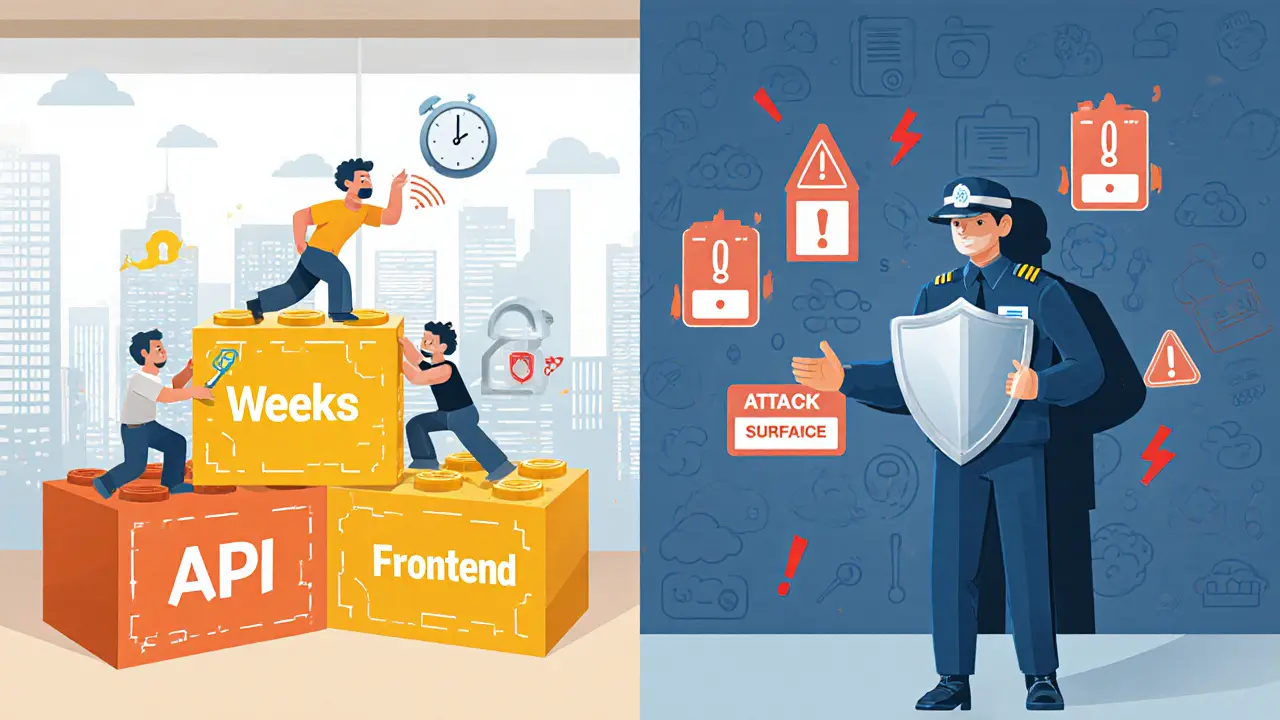
Composability vs Security: Balancing Agile Architecture and Protection
Explore how composability speeds delivery while adding security challenges, and learn practical strategies to balance agility with protection.
Top News
-
MOT by Mobius Finance Airdrop: What Really Happened and Where to Buy MOT Today 4.03.2026

-
North Korean Crypto Sanctions and Sanctioned Wallet Addresses: How the Regime Funds Its Weapons with Stolen Digital Assets 3.03.2026

-
Mexico Crypto Monitoring Regulations by CNBV: What You Need to Know in 2026 1.03.2026

-
Wealth Tax Treatment of Crypto in Switzerland: What You Need to Know in 2026 6.03.2026

-
Cryptal Crypto Exchange Review: Is It Right for You in 2026? 2.03.2026