NFT Royalty Mechanisms: How Platforms Enforce Creator Fees in 2026

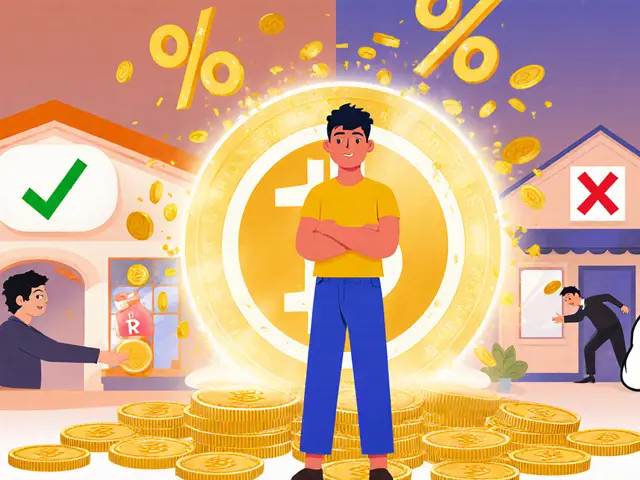
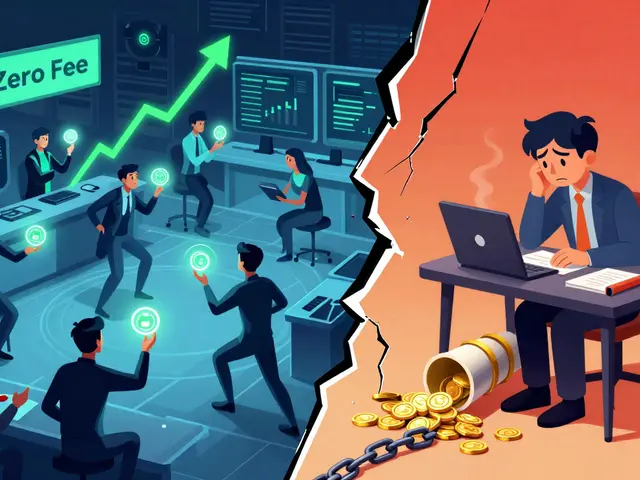
You minted a piece of digital art. It sold for 5 ETH. You set a 10% royalty, expecting to earn 0.5 ETH every time that token changes hands. But when it resold on a different marketplace, you got zero. Why? Because NFT royalties are not enforced by the blockchain itself; they are voluntary agreements between marketplaces and buyers. This distinction is the single most important thing to understand about the current state of digital ownership. As of late 2025, the "royalty wars" have reshaped the landscape, with effective collection rates plummeting from pre-2022 averages of 8-10% to as low as 0.4% on some platforms. If you are a creator or an investor, relying on immutable code to pay your bills is a dangerous assumption.
The Technical Reality Behind the Myth
Most people assume that because a smart contract says "pay 5% to address X," the blockchain forces that payment. That is false. The Ethereum Virtual Machine (EVM) does not know who owns what until a transaction happens, and it cannot stop a buyer from sending funds directly to a seller without involving a marketplace. EIP-2981 is the technical standard designed to fix this communication gap. It allows NFT contracts to query their own metadata for royalty information. However, EIP-2981 is just a data structure. It tells a marketplace how much to charge, but it doesn't force the marketplace to collect it. If a platform like Blur decides to ignore the standard to attract high-volume traders, the royalty simply disappears. The blockchain records the transfer of the token, but it remains silent on the financial split unless the marketplace logic explicitly includes it.
Platform Breakdown: Who Actually Pays?
The ecosystem has fractured into three distinct camps regarding royalty enforcement. Understanding which camp a platform belongs to is critical for pricing your assets correctly.
| Platform | Royalty Enforcement | Max Rate Allowed | Key Feature |
|---|---|---|---|
| OpenSea | Mandatory (Collection Level) | 10% | Operator Filter Registry; Blacklist tool for non-compliant buyers |
| Blur | Optional / Incentivized | Variable | BLUR token rewards for paying royalties; no hard enforcement |
| Magic Eden | Optional (Solana/EVM) | Variable | "Royalty Shield" update; multi-chain support |
| Rarible | Mandatory | 50% | Higher max rate; community-governed policies |
| Solanart | None | N/A | Zero enforcement; focuses purely on volume |
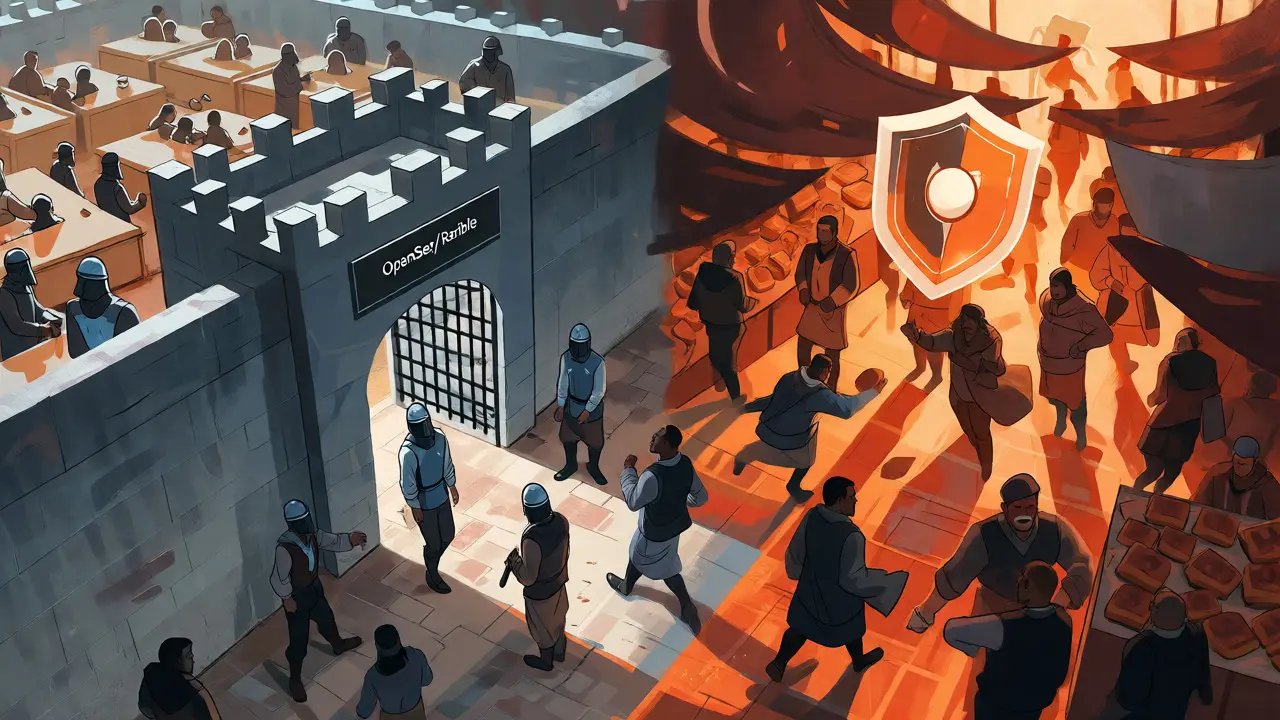
OpenSea maintains the strongest stance among major players. Its Operator Filter Registry allows collections to technically block addresses that bypass royalties, though this is rarely used aggressively due to liquidity concerns. Conversely, Blur revolutionized trading by removing mandatory fees, instead using its native token to incentivize compliance. Traders who pay royalties receive more BLUR points, creating a soft economic pressure rather than a hard rule. This model appeals to whales who prioritize speed and cost over creator support. On Solana, Magic Eden dominates with roughly 80% of volume. After switching to optional royalties in 2022, they introduced "Royalty Shield" in early 2025 to restore trust, yet data shows only 35% of buyers voluntarily comply. At the other extreme, Solanart ignores royalties entirely, making it a haven for arbitrageurs but a nightmare for artists seeking passive income.
The Economic Impact on Creators
When royalties become optional, the primary market price often adjusts downward. Research from SSRN indicates a "delayed gratification effect": creators lower their initial sale prices because they anticipate future royalty streams. When those streams dry up due to platform policy changes, creators lose out twice-first by selling cheap, then by getting nothing on resale. For example, if an artist sells a piece for 1 ETH expecting 0.1 ETH per resale, but the secondary market shifts to royalty-free trading, their total lifetime revenue drops significantly compared to a peer who priced higher upfront.
This fragmentation creates inefficiencies. An identical NFT might trade at a 5-8% premium on a royalty-enforcing platform like Rarible compared to a royalty-optional one like Blur. Why? Because buyers on enforcing platforms factor the royalty into their bid, while buyers on optional platforms bid closer to the floor price, hoping to skip the fee. This arbitrage opportunity means sophisticated traders can buy on open markets and sell on closed ecosystems, capturing value that was meant for the creator.
Cross-Chain Complexity and Standards
It gets messier when you move across chains. A royalty set on an Ethereum NFT via EIP-2981 might be completely invisible to a Solana-based marketplace unless bridged properly. Metaplex is the dominant standard on Solana, handling creator payouts differently than Ethereum's ERC-721 extensions. Metaplex embeds creator shares directly into the token account, making it slightly harder to bypass than EIP-2981, but still not impossible.
Interoperability remains the biggest hurdle. If you mint on OpenSea (Ethereum) and list on Magic Eden (via their cross-chain bridge), the royalty logic may not carry over seamlessly. Many creators fall into the trap of assuming their settings apply everywhere. They don't. Each platform interprets the metadata differently. Some read EIP-2981; others look for legacy fields; some ignore both and use their own internal database settings. Always verify the specific platform's documentation before launching a project.
How to Protect Your Revenue Stream
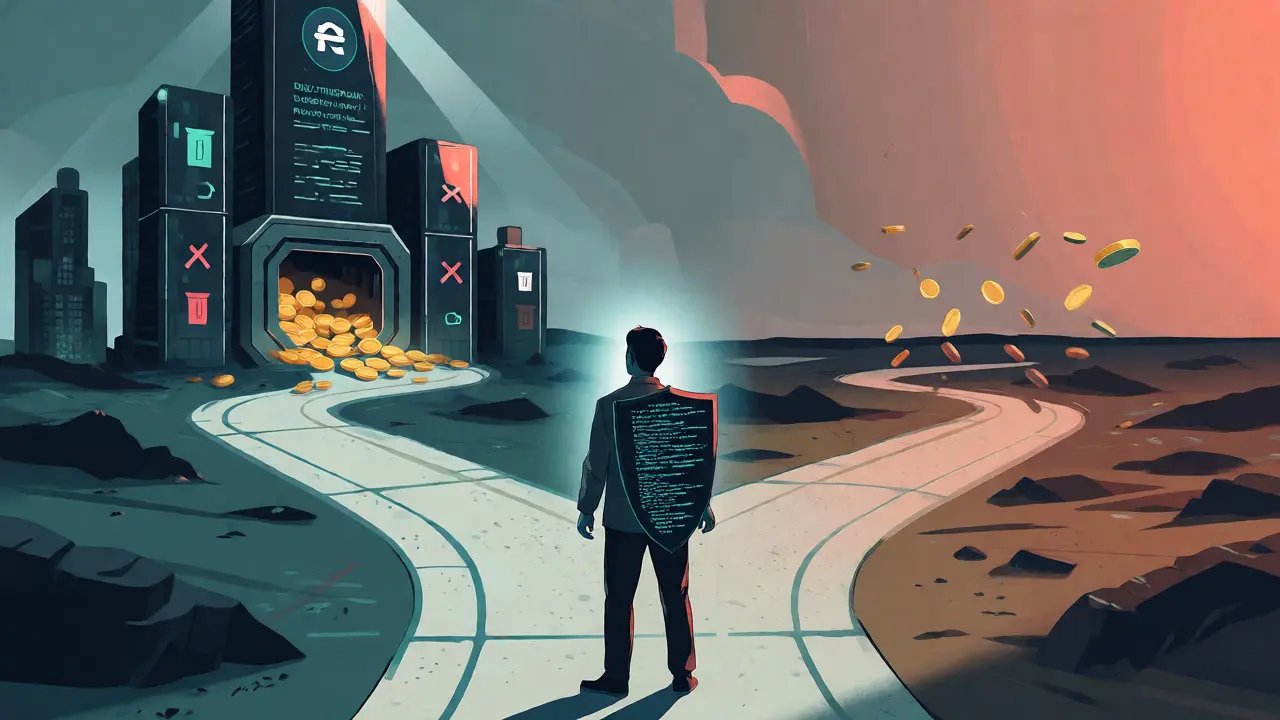
You cannot rely solely on the platform's goodwill. Here are practical steps to maximize royalty capture in a fragmented market:
- Use the Operator Filter Registry: If you are on Ethereum, implement this registry snippet. It allows you to blacklist wallets that consistently avoid paying royalties. It’s a blunt instrument, but it works against serial evaders.
- Diversify Minting Locations: Don’t put all eggs in one basket. Mint core collections on platforms with mandatory enforcement (like OpenSea or Rarible) and use optional-fee platforms for promotional drops where volume matters more than margin.
- Set Realistic Rates: High royalties (10%+) deter traders. The sweet spot in 2026 appears to be 2-5%. This rate is low enough that buyers won’t fight it, but high enough to matter over hundreds of trades.
- Monitor Cross-Platform Listings: Use tools like Royalty Registry to ensure your metadata is readable across chains. If a marketplace can’t read your royalty info, it won’t pay it.
The Future: Standardization or Collapse?
Where is this heading? Analysts predict three scenarios. First, Standardization: Protocols like Royalty Registry gain universal adoption, forcing all marketplaces to respect a single source of truth. Second, Collapse: Competition drives royalties to near-zero permanently, turning NFTs into pure commodities where creators only earn on the first sale. Third, a Two-Tier Market: Premium, blue-chip collections maintain enforced royalties due to brand power, while mid-tier and commodity NFTs become royalty-free.
Current trends suggest the two-tier model is most likely. Top-tier brands like Nike and Tiffany’s continue to enforce strict royalty terms because their demand supports it. Meanwhile, the long tail of digital art struggles to compete with zero-fee exchanges. For independent artists, this means building a strong brand is now as important as the art itself. Without brand leverage, you have no bargaining power to demand royalty enforcement.
Do I get paid royalties if my NFT is sold off-platform?
Generally, no. If a buyer and seller agree to a private OTC (over-the-counter) deal and transfer the token directly wallet-to-wallet, no marketplace intermediary exists to collect the fee. Unless the smart contract has complex escrow logic (which is rare for standard NFTs), the royalty is bypassed entirely.
Why did Blur remove mandatory royalties?
Blur aimed to disrupt OpenSea’s monopoly by attracting high-frequency traders and whales who were frustrated by fees. By making royalties optional and rewarding compliance with BLUR tokens, they lowered the barrier to entry for trading, significantly increasing their volume share in 2022 and 2023.
Can I change my royalty percentage after minting?
It depends on the platform and the smart contract design. On many platforms like OpenSea, you can update royalty settings for new sales, but these changes usually do not retroactively affect past transactions. Some advanced contracts allow dynamic updates, but this must be coded into the original contract.
What is the difference between EIP-2981 and Metaplex?
EIP-2981 is an Ethereum standard for querying royalty data, while Metaplex is a protocol suite on Solana that manages metadata and creator shares. EIP-2981 relies on marketplaces reading the data correctly, whereas Metaplex integrates royalty distribution more deeply into the token account structure, offering slightly better enforcement mechanisms on Solana.
Are NFT royalties taxable?
Yes, in most jurisdictions. Royalties received from secondary sales are typically treated as ordinary income or capital gains, depending on local tax laws and whether the NFT is held as an investment or inventory. Always consult a tax professional familiar with digital assets in your region.