Online Voting with Blockchain Technology: Promise vs Reality in 2026
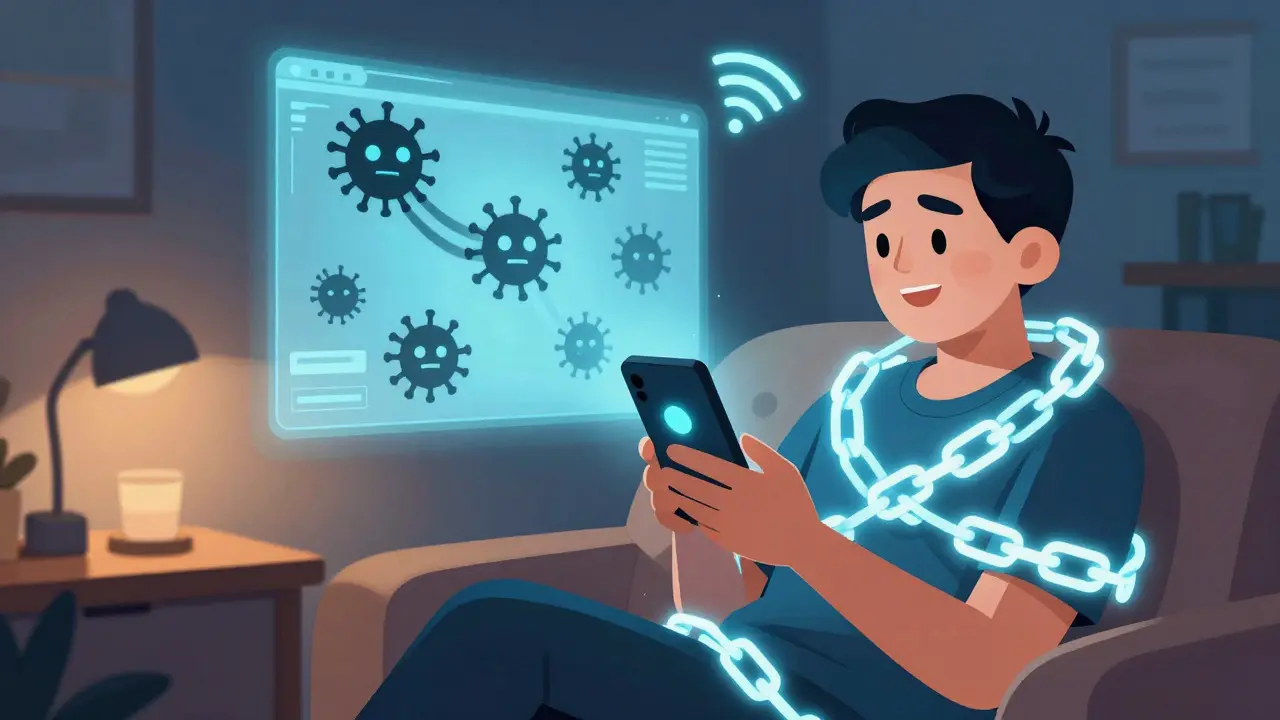
Imagine casting your vote from your couch, knowing it can’t be changed, lost, or tampered with. That’s the dream behind blockchain voting. But in 2026, after years of pilot programs and heated debates, the reality is far more complicated. Blockchain promises transparency, immutability, and security. Yet, experts warn that the biggest threats to democracy don’t live on the blockchain-they live in your phone, your Wi-Fi, and the software that connects you to the system.
How Blockchain Voting Actually Works
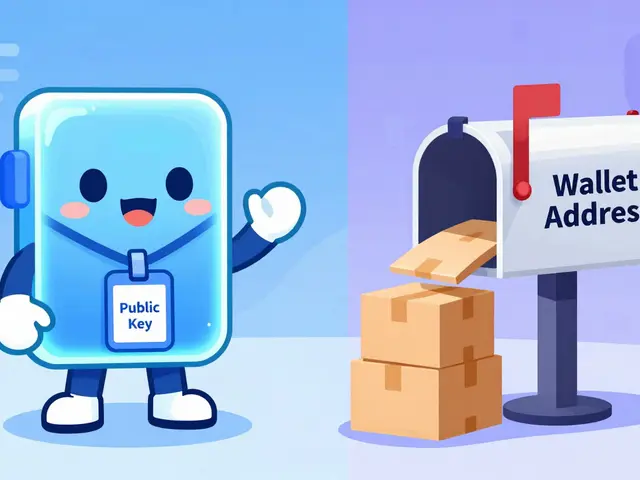
At its core, blockchain voting replaces paper ballots with digital tokens stored on a distributed ledger. Each vote is encrypted, assigned a unique ID, and added to a block that links to the previous one. Once recorded, it’s nearly impossible to alter. Smart contracts automatically tally results without human intervention. Voters use a secure app to verify their identity, receive a digital ballot token, and submit their choice. Their public key encrypts the vote, ensuring anonymity. No one-not even the election authority-can see who voted for whom.
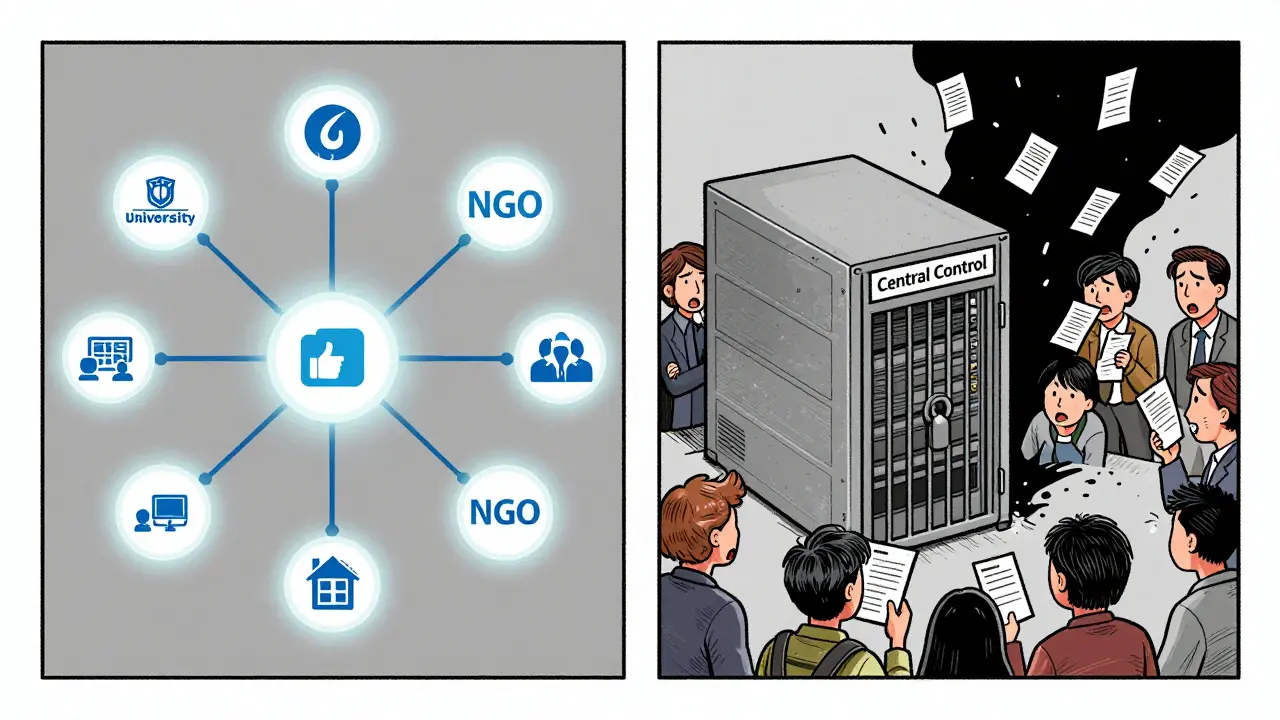
There are two main models. The first is the multi-owner chain, where multiple independent groups-like universities, NGOs, or tech firms-run nodes that validate votes. No single entity controls the system. The second is the single-owner chain, where one organization manages everything. The first sounds more democratic. The second is easier to set up but defeats the whole point of decentralization.
Why People Are Excited
Proponents argue blockchain solves real problems. Voter turnout in many democracies has been stuck below 60% for decades. Remote voters-military personnel, expats, people with disabilities-often can’t participate. Traditional mail-in ballots get lost. Counting takes days. Blockchain promises to fix all that.
Organizations like the Brookings Institution say blockchain can cut costs, speed up counting, and eliminate fraud. The technology ensures every vote is recorded exactly as cast. No more hanging chads. No more disputed recounts. The ledger is public, so anyone can verify the results without trusting a central authority. That’s powerful.
Some countries are testing it. Estonia has run limited online voting since 2007, though it doesn’t use blockchain. In 2024, a pilot in West Virginia let overseas military voters use a blockchain app. The system worked. But it only handled 127 ballots. That’s not democracy-it’s a demo.
The Hidden Flaws
Here’s the problem: blockchain doesn’t fix the weakest link-the voter’s device.
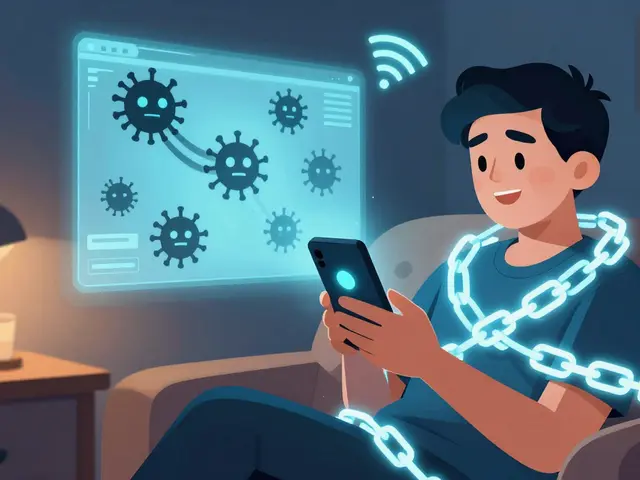
If a hacker installs malware on your phone, they can change your vote before it even leaves your screen. No amount of cryptographic hashing can stop that. The vote might be immutable on the blockchain, but if it was never your real choice to begin with, the system is broken.
Denial-of-Service attacks can crash voting platforms during peak hours. If 100,000 people try to vote at 7 p.m. and the server goes down, what happens? Do they get to vote later? Does their vote get discarded? There’s no fail-safe.
MIT’s Digital Currency Initiative found that blockchain-based voting could make large-scale election failures more likely, not less. Why? Because it adds complexity. More code. More servers. More entry points for attackers. A single flaw in the voter registration app could compromise millions of votes.
And then there’s secrecy. In a polling booth, you’re alone. On your phone? Your kid could peek. Your employer could demand proof. Blockchain can’t protect you from coercion. It only protects the record after the fact.
Who Says It Won’t Work?
The U.S. Vote Foundation doesn’t mince words: “Blockchain voting is not a security strategy.” They point out that no blockchain system has ever been audited under real election conditions. Academic research from the University of Minnesota Morris confirms: hand-marked paper ballots are still the gold standard. They’re simple, verifiable, and impossible to hack remotely.
David Jefferson, a leading election security expert, says the focus should be on fixing the real problems: underfunded polling stations, long lines, outdated registration systems-not chasing flashy tech.
Even supporters admit the tech isn’t ready. The technology exists. But society doesn’t. Most voters don’t understand public keys, private keys, or how to secure their devices. A 2025 survey of 5,000 voters found that 68% wouldn’t trust a blockchain vote unless they could see a live audit on TV. That’s not practical.
Where It Might Actually Work
Forget national elections. Look smaller.
Corporate boardrooms use blockchain voting all the time. Shareholder meetings. Union ballots. Student government elections. These are low-stakes, controlled environments. Voters are trained. The number of participants is small. The consequences of fraud are limited.
The BELEM system, developed by researchers, has been tested in university elections with 98% accuracy. It works because the network is closed. Only verified students can vote. No strangers. No bots. No nation-state attackers.
These are the real use cases for now. Blockchain voting isn’t a revolution for democracy. It’s a tool for organizations that need fast, auditable, digital votes.
The Road Ahead
Will blockchain voting ever be used in a national election? Maybe. But not in 2026. Not in 2030. Not until we solve three bigger problems:
- Device security-how do you guarantee a voter’s phone isn’t hacked?
- Coercion resistance-how do you let people vote privately from anywhere?
- Public trust-how do you convince people that a digital system is more trustworthy than paper?
Until then, blockchain voting remains an elegant idea with dangerous gaps. The technology isn’t the problem. The world around it is.
What Comes Next?
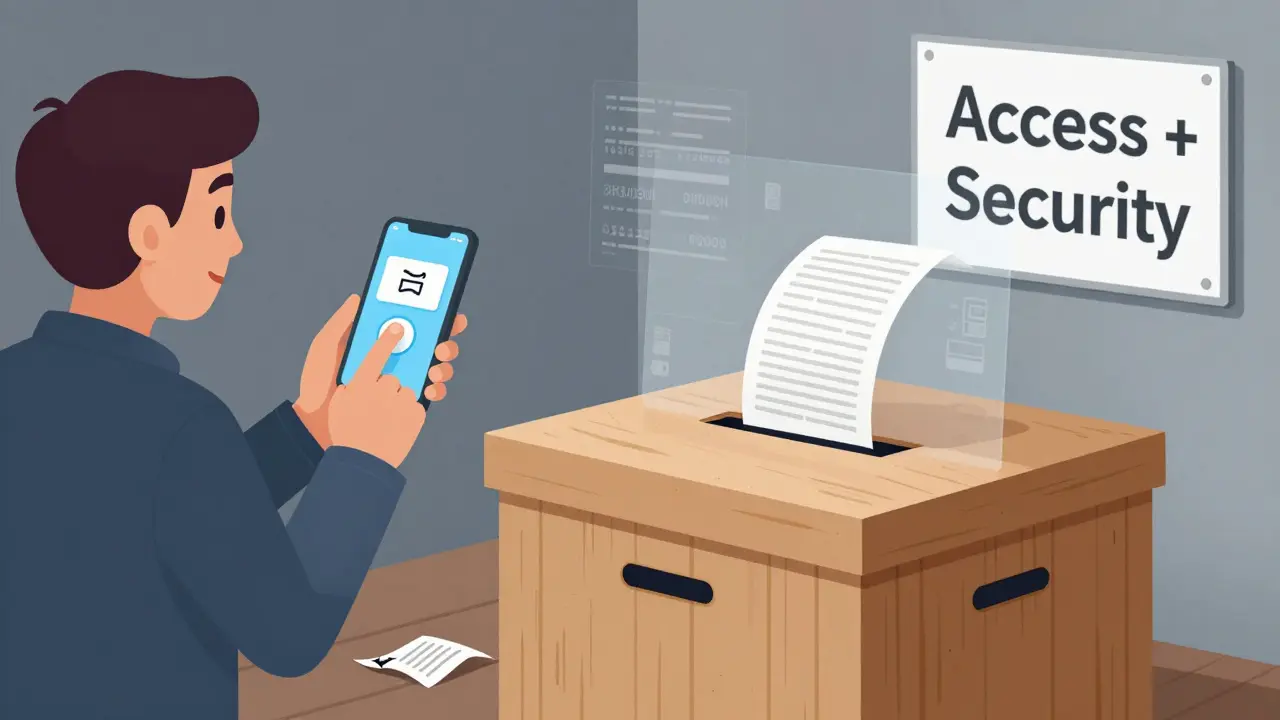
Researchers are working on hybrid systems. Imagine a vote cast on your phone, but the ballot is printed out and dropped into a physical box. You get the convenience of digital access, with the security of paper. That’s where innovation should focus-not on replacing paper, but on enhancing it.
For now, if you want your vote to count-truly count-stick to the ballot box. The blockchain isn’t ready to protect democracy. But it might one day help make it more accessible. Just not yet.

Douglas Anderson
I've worked on election tech for over a decade. Blockchain doesn't solve the real issue: voter coercion. If your kid sees you vote 'no' on the ballot and says 'Mom, why are you voting against Dad?' - that's not a crypto problem. That's a human one. The tech is flashy, but the problem is in the living room.
Tom Jewell
You know what's wild? We're so obsessed with making voting 'secure' and 'tamper-proof' that we forgot why people vote in the first place - not because they trust the system, but because they believe their voice matters. Blockchain doesn't make you feel heard. A paper ballot in a quiet booth does. There's poetry in ink on paper. There's power in silence. We're replacing soul with algorithms, and it's not a trade-up.
Tina Keller
I'm from a rural town where the nearest polling station is 40 miles away. My grandma voted by mail for 20 years - and lost her ballot three times. So yes, I want digital. But not this digital. A hybrid system - vote on your phone, get a printed receipt you drop in a box - that's the future. Not blockchain as a magic bullet. As a bridge.
vasantharaj Rajagopal
From an engineering standpoint, the attack surface is catastrophic. You're introducing a distributed ledger into a system with unpatched IoT devices, compromised mobile OSes, and social engineering vectors at every level. The blockchain is the least vulnerable component. The voter's phone? The app's API? The SMS OTP? Those are the kill chain. We're building a fortress out of wet cardboard and calling it 'immutable.'
ann neumann
They're already using this to rig elections. You think Estonia's system is secure? It's a front. The NSA, the CIA, the Five Eyes - they've all got backdoors in the private keys. The blockchain is just a pretty lie. They don't need to hack the ledger. They just need to change your vote before it's sent. And if you protest? They'll say 'the system is transparent' - but you can't see the code. Because it's classified. Welcome to democracy 2.0.
William Montgomery
If you can't secure your phone, why would you trust it with your vote? This isn't about tech. It's about responsibility. Stop outsourcing your civic duty to a device you use to scroll cat videos. You wouldn't let your kid use your bank app unsupervised. Why would you let them use your vote app?
Mara Alves Mariano
America's got paper ballots. That's why we're still the last free country. Europe's already gone full dystopia - Estonia, Sweden, you name it - they're all voting on apps now. And guess what? Turnout's up. But so is fraud. And no one talks about it. Because the media's owned by the same people who built the system. Wake up. This isn't progress. It's surrender.
karan narware
In India, we’ve had electronic voting machines for 20 years - and still, people queue for hours. Why? Because trust isn’t built in code. It’s built in consistency. In visibility. In the smell of ink on your fingers. Blockchain? It’s a Silicon Valley fantasy. We need more polling booths. Not more APIs.
Chelsea Boonstra
You say device security is the problem. But what if we made voting apps open-source? Let auditors, hackers, and grandmas inspect the code. Let universities run public penetration tests. If we can crowdsource vaccine trials, why not crowdsource election integrity? The answer isn't abandoning tech - it's demanding transparency.
Alex Thorn
I’ve watched too many people lose faith in democracy because they feel unheard. Blockchain voting doesn’t fix that. But what if we used the same tech to give voters real-time feedback? Like: 'Your vote was received. Here’s a breakdown of how your district voted. Here’s what happens next.' Not just a ledger. A conversation. That’s the real innovation - not the encryption.
Craig Gregory
The irony is thick enough to spread on toast. We're deploying blockchain - a technology designed to remove trust from centralized systems - to solve a problem created by decades of centralized, underfunded, poorly managed election infrastructure. It's like using a Ferrari to fix a bicycle chain. The tool is elegant. The problem is misdiagnosed.
PIYUSH KOTANGALE
I work in fintech. We use blockchain for microtransactions. It works. But voting? It's not the same. You don't just want 'immutability.' You want 'verifiable privacy.' And that's not a tech problem. It's a design problem. We need a system where your vote is anonymous, verifiable, and untouchable - not just encrypted. That's the real challenge.
vishnu mr
i think we r overthinking this. if u can vote online for netflix polls, why not for real elections? the system just needs to be simple. no keys. no wallets. just a login + one tap. blockchain behind the scenes. no one needs to know how it works. just that it works. 🚀
Grace van Gent-Korver
My mom voted for the first time last year using a tablet at her senior center. She cried. Said she felt like she mattered. I don't care if it's blockchain or a toaster. If it gets people to vote - that's the win.
Zephora Zonum
The fact that we're even having this conversation proves how far we've fallen. Paper ballots were good enough for the Founding Fathers. They didn't need a blockchain. They had ink. And conviction. We've outsourced our civic courage to a smartphone app. How tragic.
Lindsay Girvan
You think paper is secure? Paper gets lost. Paper gets burned. Paper gets stuffed. Blockchain at least leaves a trail. And if you're afraid of hackers, then don't vote. Or move to a bunker. Either way, stop romanticizing the 1800s.
Adam Ashworth
Hybrid is the answer. Vote on your phone. Print a receipt. Drop it in a box. The ballot is verified digitally, but the physical record exists. No one can deny it. No one can hack it. And if the system fails? You still have paper. It’s not either/or. It’s both.
Allison Davis
I helped audit a blockchain voting pilot in rural Oregon. The biggest issue? Elderly voters couldn’t log in. One man called it 'a magic box that eats your vote.' We fixed it with a paper backup. And a volunteer who sat next to them. Tech doesn't replace human connection. It should enhance it.
Michael Suttle
They’re not telling you the truth. Blockchain voting is a Trojan horse. Once it’s in, they’ll phase out paper. Then they’ll add AI vote prediction. Then they’ll adjust results based on ‘behavioral data.’ This isn’t about democracy. It’s about control. And you’re being sold a lie wrapped in crypto.