Poloniex Crypto Exchange Review: Is It Still Worth Using in 2026?
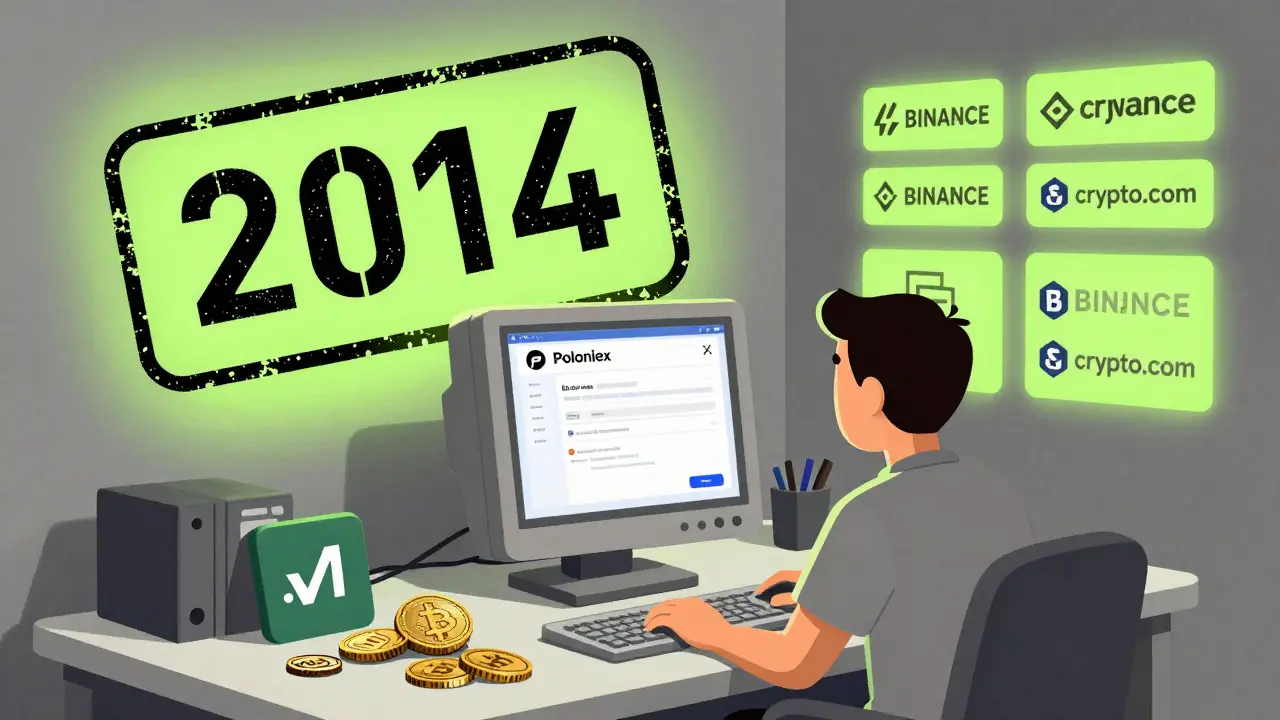
Poloniex launched in 2014 as one of the early crypto-only exchanges, and for years, it was a go-to spot for traders looking to get into altcoins before they hit bigger platforms. But in 2026, things have changed. While Poloniex still operates, it’s no longer the powerhouse it once was. If you’re thinking about using it, here’s what you need to know-straight from real user experiences and current platform features.
What Poloniex Offers (and What It Doesn’t)
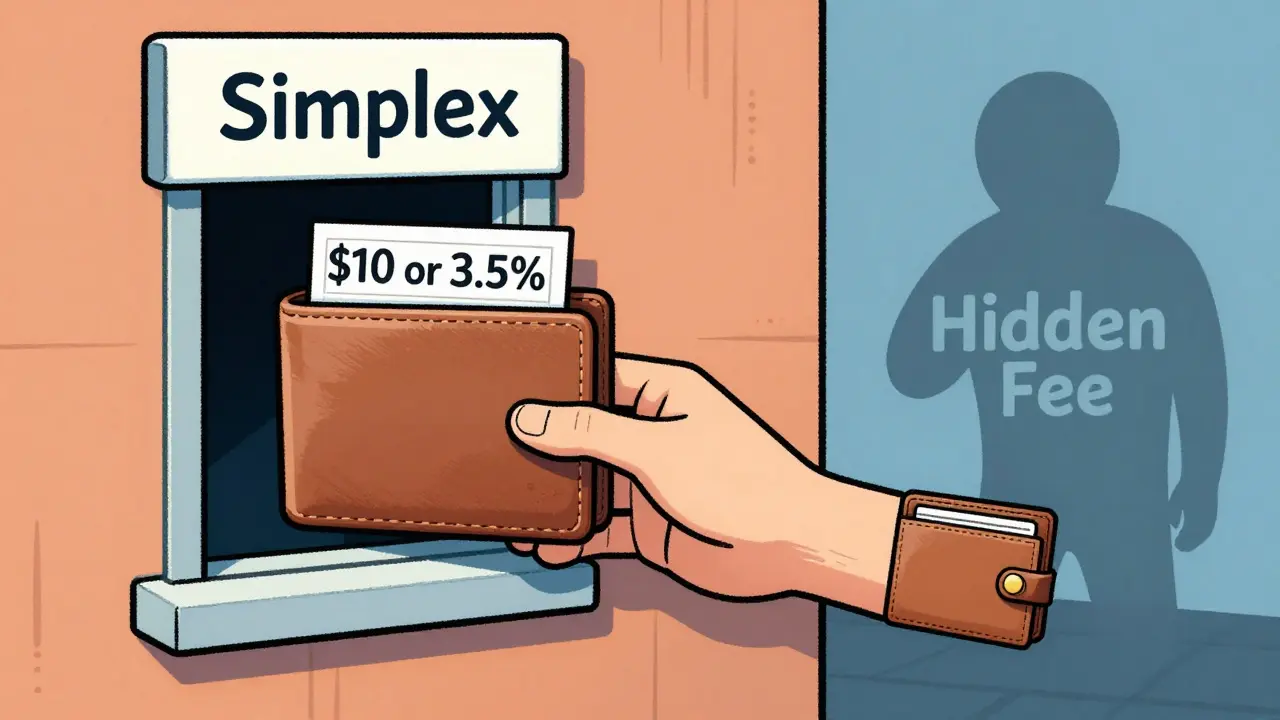
Poloniex is a cryptocurrency-only exchange. That means no USD, no EUR, no bank transfers. You can’t deposit cash. You need to already own crypto to trade here. If you’re new to crypto and trying to buy your first Bitcoin with a credit card, Poloniex won’t help you directly. But it does partner with Simplex is a third-party payment processor that lets you buy crypto with a debit or credit card. You can buy Bitcoin, Ethereum, or other coins through Simplex, but the fees are steep. Either $10 or 3.5% of the transaction-whichever is higher. So if you buy $200 worth of crypto, you’re paying $7 in fees. That’s way more than what you’d pay on Binance or Coinbase.
Poloniex supports over 100 cryptocurrencies. It’s still one of the few exchanges that listed early altcoins like Dash, Monero, and Zcash before most others. If you’re into trading obscure tokens, Poloniex might have them. But compared to Binance, which supports over 250 coins and has its own NFT marketplace, Poloniex feels limited. You won’t find DeFi tokens, meme coins, or newer blockchain projects here unless they’ve been around for a while.
Trading Tools: Simple, But Not Powerful
The interface is clean. No cluttered dashboards. No overwhelming charts. That’s good if you’re a beginner or just want to buy and sell without getting lost. You’ve got spot trading, margin trading up to 5x leverage, and futures trading with up to 100x leverage. Order types include limit, market, and stop-loss. It’s enough for basic strategies, but not for serious day traders.
API access is solid. Institutional traders get high-rate limits and low latency, which is why Poloniex still markets itself as "The Most Trusted Exchange" for pros. But most retail users won’t touch the API. The real issue isn’t the tools-it’s what’s missing. No copy trading. No dollar-cost averaging. No recurring buys. No educational content. No mobile app with full functionality. If you’re used to trading on Binance is a global exchange with advanced features, lower fees, and a full ecosystem including staking, lending, and NFTs, Poloniex feels like a step backward.
Fees: Hidden Costs Are a Big Problem
Poloniex’s trading fees look low on paper: 0.2% for makers, 0.25% for takers. But users report something different. Multiple reviews on G2 and Reddit describe hidden fees that only appear after you’ve placed an order. One trader said they deposited 0.5 BTC, sold it for USDT, and tried to withdraw-only to be hit with a $150 fee they never saw coming. Another user reported being asked for an extra R300 (about $17) before they could access profits from a $300 trade.
These aren’t isolated complaints. They’re consistent. Withdrawals sometimes take days. Customer support is slow. There’s no live chat. No phone number. Just email, and replies can take 48+ hours. That’s unacceptable in 2026, especially when platforms like Crypto.com is an exchange with 24/7 support, instant withdrawals, and transparent fee structures set a new standard.
Security: Solid, But Not Enough
Poloniex does have two-factor authentication (2FA), cold storage for most funds, and a history of never being hacked. That’s good. But security isn’t just about not getting breached. It’s about trust. If you’re worried about losing access to your funds because of unclear withdrawal rules or surprise fees, that’s a security issue too.
Compare that to Kraken is a regulated exchange with strong compliance, transparent fee structures, and verified user protections. Kraken doesn’t have the same altcoin selection as Poloniex, but it has clear rules, public audits, and regulatory oversight. Poloniex doesn’t publish its reserve audits. It doesn’t explain how it manages liquidity. That lack of transparency makes users nervous.
Who Is Poloniex Actually For?
Let’s be honest-Poloniex isn’t for everyone. It’s not for beginners who need to buy crypto with a credit card. It’s not for active traders who need advanced tools. It’s not for people in North America (they’re banned). It’s not for anyone who values fast support or transparent fees.
So who is it for? Maybe someone who:
- Already owns crypto and wants to trade lesser-known altcoins
- Prefer a simple, no-frills interface
- Doesn’t mind slow withdrawals and hidden fees
- Lives outside the U.S., Canada, or other restricted regions
If that’s you, Poloniex might still work. But if you’re looking for reliability, speed, or fairness, you’re better off elsewhere.

Why Binance and Others Win
By 2026, Binance dominates for a reason. Lower fees. More coins. Better mobile app. Staking rewards. Earn programs. NFTs. Lower withdrawal times. Transparent fee schedules. And yes-they still let users from North America trade.
Crypto.com, Kraken, and KuCoin all offer more than Poloniex in every way except maybe simplicity. Even Coinbase, which is more regulated and user-friendly, beats Poloniex on customer service and withdrawal speed.
Poloniex’s strength used to be being first. Now, it’s stuck in the past. The market moved on. The tools got better. The expectations changed. Poloniex hasn’t kept up.
Final Verdict
Poloniex isn’t dead. But it’s not thriving either. It’s a relic of crypto’s early days-reliable in some ways, frustrating in others. If you’re a casual trader who doesn’t mind a few hidden costs and slow support, you can still use it. But if you’re serious about trading, or even just want to move crypto without stress, there are better options.
Don’t choose Poloniex because it’s familiar. Choose it because it’s the best option. And in 2026, it’s not.
Is Poloniex still operational in 2026?
Yes, Poloniex is still running as of 2026. It continues to offer spot, margin, and futures trading. However, it has stopped serving users in North America and has not introduced major updates in over two years. Its platform remains functional but stagnant compared to competitors.
Can I deposit fiat money into Poloniex?
No, Poloniex does not accept direct fiat deposits. You must already own cryptocurrency to trade. However, you can use Simplex to buy crypto with a credit or debit card, but this comes with high fees-either $10 or 3.5% of the transaction, whichever is higher.
Why are users complaining about hidden fees on Poloniex?
Multiple users report that fees are not clearly displayed before trades or withdrawals. Some say they were charged unexpected fees when trying to withdraw funds, sometimes hundreds of dollars. These aren’t listed in the fee schedule, and customer support rarely clarifies them. This lack of transparency has led to accusations of deceptive practices.
Is Poloniex safe to use?
Poloniex has never been hacked and uses 2FA and cold storage. From a technical standpoint, it’s secure. But safety isn’t just about hacking-it’s about trust. With unclear fees, slow support, and withdrawal delays, many users feel their funds aren’t truly protected. If you value transparency, other exchanges offer better peace of mind.
Can I use Poloniex if I live in the United States?
No. Poloniex completely blocks users from the United States, Canada, and several other countries. If you try to sign up from these regions, your account will be rejected or frozen. This restriction has been in place since 2019 and remains unchanged in 2026.
What are better alternatives to Poloniex in 2026?
For most users, Binance is the top alternative-it offers lower fees, over 250 coins, staking, and a full ecosystem. Kraken is better for regulated, transparent trading. Crypto.com and KuCoin offer more user-friendly apps and faster withdrawals. If you want simplicity without hidden fees, Coinbase is a solid choice. Poloniex only makes sense if you specifically need altcoins not listed elsewhere.


Dionne van Diepenbeek
Poloniex is dead weight. I used to trade there back in 2018. Now I just move coins to Binance and forget it exists. No support. No transparency. Just silence.
Tobias Wriedt
I tried to withdraw from Poloniex last month. Took 5 days. Then they hit me with a $120 "liquidity fee" I never saw coming. 😤 Not cool. Not cool at all.
S F
Americans whining about Poloniex? Bro, you got Coinbase, Binance, Kraken-why are you even looking at a relic? This isn’t 2017. Stop clinging to dead platforms because they’re "familiar."
shreya gupta
The lack of fiat on-ramp is not merely inconvenient-it is a fundamental failure of user-centric design. One cannot expect retail adoption to flourish in an ecosystem that demands pre-existing capital.
Derek Lynch
If you’re holding altcoins that only Poloniex lists, then yeah, it’s still useful. But for everyone else? You’re just giving them your trust for nothing. Move your coins. You’ll thank yourself later.
Shreya Baid
I understand the nostalgia, but trust is not built on historical reputation. It is built on transparency, responsiveness, and fairness. Poloniex fails all three. I have moved my portfolio to Kraken, and my peace of mind has improved significantly.
Christopher Hoar
Poloniex? Lmao. I still have like 0.3 ETH stuck there from 2021. Tried to withdraw last week. They said "pending review." Bro I’m not a bank. I’m a person who wants their crypto.
Robert Kunze
I used to love Poloniex. Back in the day, they had the best altcoin list. But now? Their UI is like a 2016 website. No mobile app updates. No new coins. Just... silence. I wish they’d just shut down and let people move on.
Sarah Zakareckis
Let’s reframe this: Poloniex isn’t obsolete-it’s niche. If you’re a degens holding obscure tokens like Verge or Syscoin, this is your last sanctuary. But if you want growth, education, or speed? Go somewhere else. This isn’t a platform-it’s a museum.
Heather James
Hidden fees? Slow support? No mobile app? Yeah. No thanks.
Sarah Hammon
I know it’s hard to let go of something you used to trust. But sometimes, the kindest thing you can do for yourself is walk away. Poloniex isn’t malicious-it’s just outdated. And that’s worse. Outdated means no one cares enough to fix it.
iam jacob
I just feel so used. I trusted them. I held my coins there. And now I’m stuck with fees I didn’t agree to. I just wish someone would say sorry. But they won’t. They’re too busy pretending this is still a real exchange.
Jesse Pals
I live in Canada and they blocked us too. I get it-regulations. But why not just build a separate compliant version? Instead, they ghosted us. Now I use KuCoin. It’s faster, cheaper, and actually updates their app. Poloniex? It’s a zombie exchange.
Diane Overwise
Poloniex... the exchange that gave us Monero before it was cool. Now it gives us... nothing. And we still love it? We’re not loyal. We’re just lazy. And that’s the real tragedy.
Ann Liu
The fee structure on Poloniex is fundamentally deceptive. While maker/taker fees appear low, withdrawal and Simplex fees are neither disclosed upfront nor consistently documented. This violates basic consumer transparency standards.
Jerry Panson
I’ve been trading on Poloniex since 2015. I don’t care about the fees or the slow support. I still get the coins I need. If you can’t handle a few days of waiting or $10 in fees, you shouldn’t be trading crypto.
Marie Vernon
I’m from the Philippines. Poloniex is the only place I can trade some of my favorite tokens. Yes, withdrawals take a week. Yes, fees are sketchy. But I’ve got nothing else. I’m not angry-I’m just resigned.
rajan gupta
The soul of crypto was decentralization. Poloniex was its cathedral. Now we worship at the altar of Binance’s algorithmic greed. We traded freedom for convenience. And we wonder why we feel empty.
Billy Karna
Let me break this down. Poloniex has over 100 coins, which is more than most exchanges, and their API is still one of the most reliable for institutional traders. The real issue isn’t the platform-it’s that retail users expect a TikTok experience from a 2014-era exchange. You want flashy? Go to Coinbase. You want depth? Poloniex still delivers. The fees? Yeah, they’re bad. But if you’re smart, you use Simplex once and then move everything to spot trading. The real problem is that nobody teaches beginners how to use this stuff properly. We’re all just clicking buttons without understanding the ecosystem. Poloniex doesn’t need to change. The users do.
Cheri Farnsworth
I used to think Poloniex was the last honest exchange. Now I realize it was just the last one to stop trying.