RadioShack (RADS) on Celo: Token Review, Not an Exchange
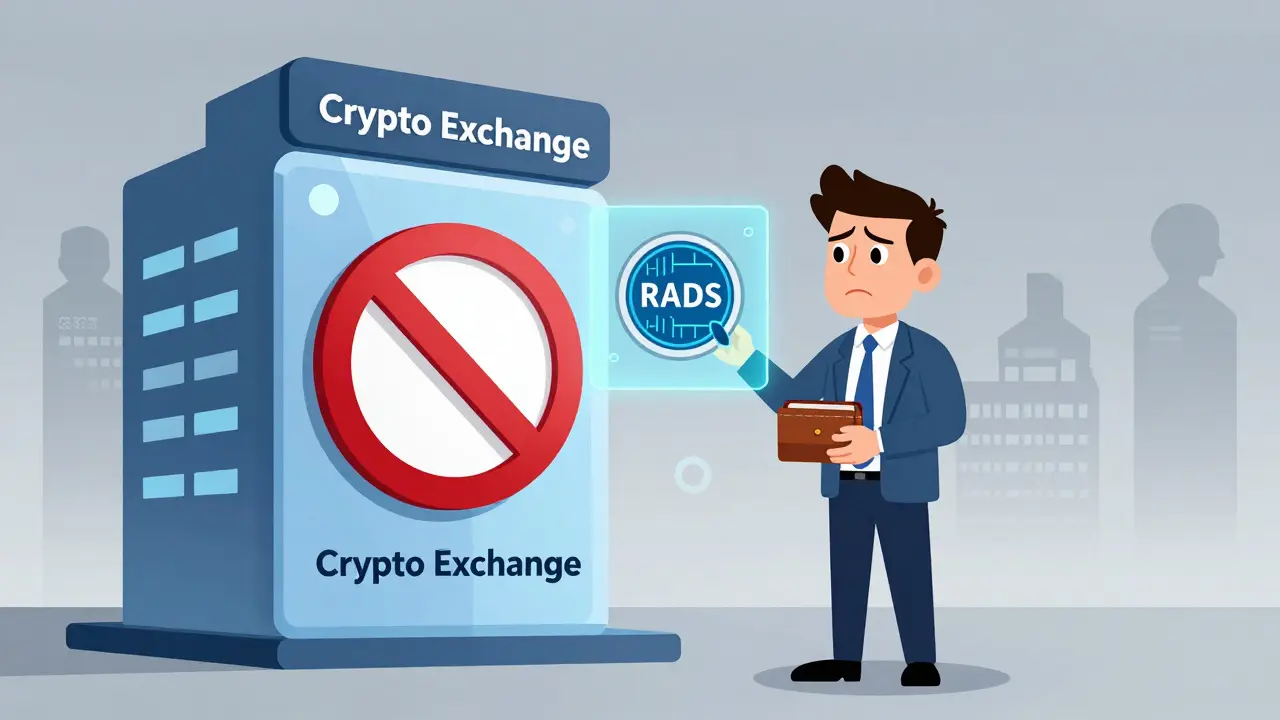
You see "RadioShack" and "Crypto Exchange" in a headline, your brain probably clicks into gear. You’re thinking about buying tokens, trading pairs, maybe even staking for yield. But here is the hard truth that saves you from making a costly mistake: RadioShack (RADS) is not a cryptocurrency exchange.
If you are looking for a platform like Binance, Coinbase, or Kraken where you can deposit fiat currency and trade against other users, RadioShack is not it. It is a token operating on the Celo blockchain, which functions as part of a decentralized finance (DeFi) protocol. Confusing a utility token with a centralized exchange is one of the fastest ways to lose money in crypto. Let’s clear up exactly what this project is, how it works within the Celo ecosystem, and whether it holds any real value for your portfolio.
What Is RadioShack (RADS) Actually?
To understand RadioShack, you have to stop thinking about it as a company you log into. Instead, think of it as software code living on a blockchain. According to data from CoinMarketCap accessed in late 2025, RadioShack (RADS) is formally identified as a token with the trading symbol RADS. Its primary job isn’t to host user accounts or hold your private keys. Its technical objective is much more specific: to reduce the "diameter of the graph of swappable tokens" and increase liquidity per pair.
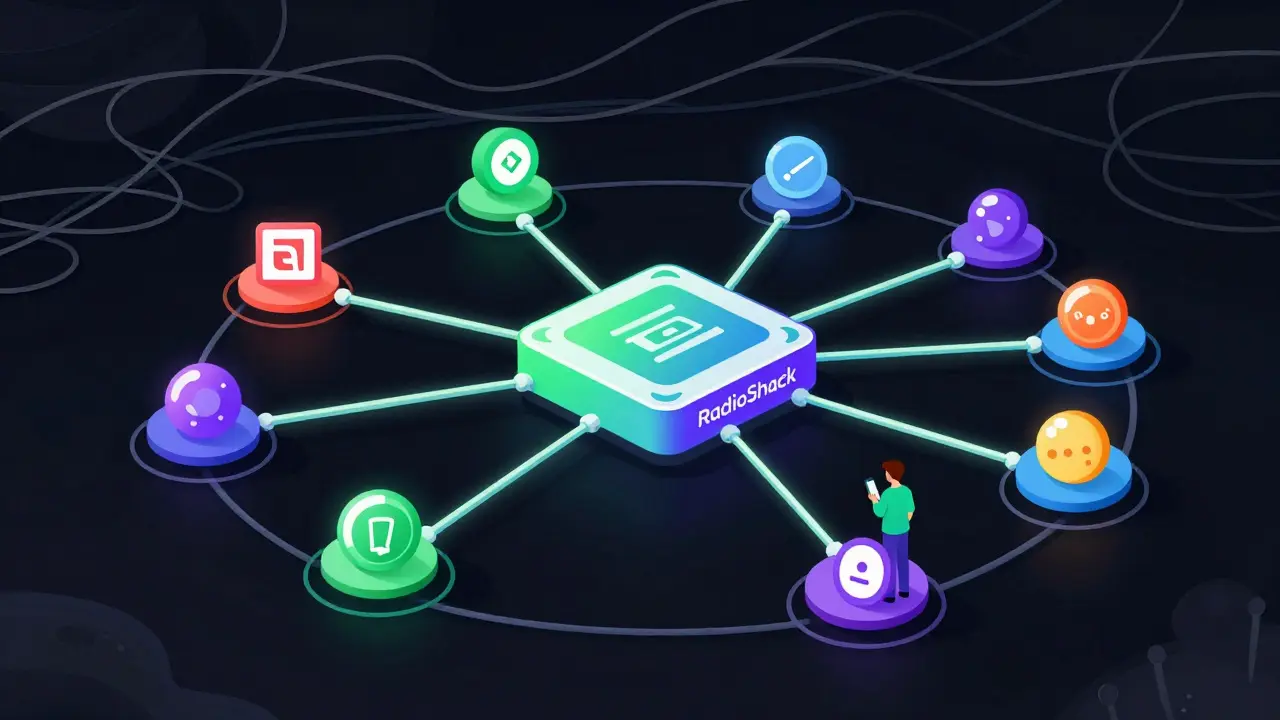
That sounds like jargon, so let’s translate it. In decentralized exchanges (DEXs), swapping one token for another often requires multiple steps or "hops." If you want to swap Token A for Token B, but there is no direct market, the system might swap A for C, then C for D, and finally D for B. Each hop costs fees and risks slippage (getting a worse price than expected). RadioShack aims to optimize these paths. It tries to make the network of tokens more connected so swaps happen faster and cheaper. It is a routing solution, not a storefront.
The Celo Ecosystem Context
You cannot evaluate RADS without understanding the ground it stands on: Celo. Celo is a mobile-first blockchain designed to be accessible via phone numbers rather than complex wallet addresses. As of mid-2026, Celo has seen significant growth. Reports from late 2025 highlighted over 500,000 daily active users and $1.7 billion in monthly stablecoin volume across more than 150 countries.
This growth matters because RADS relies entirely on Celo’s infrastructure. Since the Espresso Hardfork in March 2022, Celo has been fully compatible with the Ethereum Virtual Machine (EVM). This means RADS behaves like an ERC-20 token but runs on Celo’s faster, cheaper network. When Celo grows, protocols built on it like RadioShack benefit from increased visibility and transaction volume. However, when Celo faces security threats or network congestion, RADS suffers too. They are tied at the hip.
| Feature | Centralized Exchange (e.g., Binance) | RadioShack (RADS) Protocol |
|---|---|---|
| User Account | onlineYes (Email/Phone login) | No (Wallet-based only) |
| Fiat Support | Yes (USD, EUR, etc.) | No (Crypto-to-Crypto only) |
| Custody | Exchange holds your funds | You hold your funds (Non-custodial) |
| Primary Function | Order matching & trading | Liquidity optimization & routing |
| Risk Profile | Hack of exchange, regulatory ban | Smart contract bug, low liquidity |
Technical Mechanics: How Does It Work?
If you decide to interact with RADS, you aren’t signing up for an account. You need a non-custodial wallet like MetaMask or Valora, configured to talk to the Celo network. The interaction happens through smart contracts. These are self-executing codes that run on the blockchain.
The core innovation of RadioShack lies in its approach to token graphs. In standard Automated Market Makers (AMMs) like Uniswap, liquidity is pooled separately for each pair. RadioShack attempts to concentrate this liquidity. By reducing the number of hops between tokens, the protocol theoretically lowers slippage. For example, if you are swapping a niche meme token for CELO, a traditional route might take three steps. RadioShack’s optimized graph might achieve this in one or two, saving you gas fees and getting you a better price.
However, the technical documentation for RADS is sparse. Unlike major protocols like Aave or Compound, which publish extensive GitHub repositories and audit reports, RadioShack lacks detailed public specs on its consensus mechanism or specific gas fee structures. This opacity is a red flag for advanced investors. You are trusting code that hasn’t been thoroughly scrutinized by the broader developer community.
Security Risks and Red Flags
Let’s talk about safety. In the world of DeFi, "trustless" doesn’t mean "risk-free." It just means you don’t trust a middleman; you trust the code. And code can have bugs.
There are several concerning gaps in RadioShack’s profile:
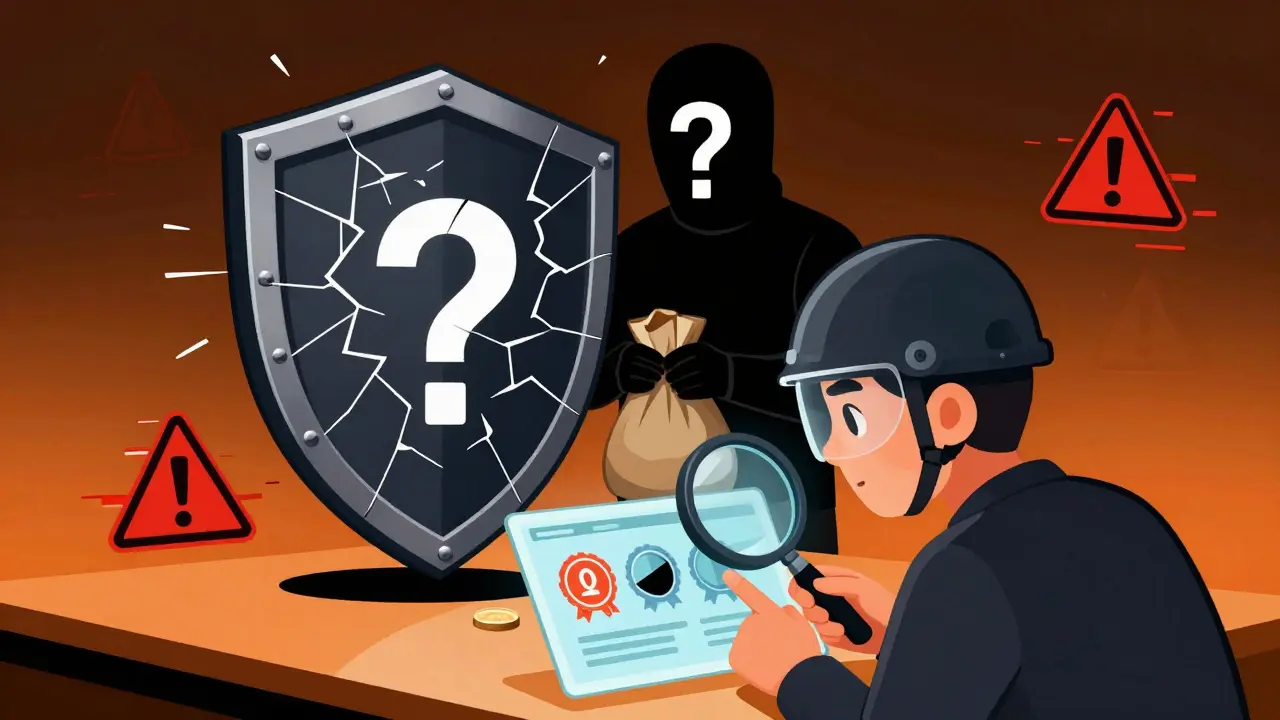
- Lack of Audits: There is no widely publicized information about third-party security audits for the RADS smart contracts. Major projects hire firms like CertiK or OpenZeppelin to check their code. The absence of such badges suggests either a new project or one that hasn’t prioritized security transparency.
- Unknown Team: Who built RadioShack? The founding team is anonymous or at least not prominently featured in major industry publications. Anonymous teams are common in crypto, but they carry higher risk. If something goes wrong, there is no one to call.
- Low Analyst Coverage: Reputable sources like CoinBureau, Capital.com, and Changelly cover the Celo ecosystem extensively but rarely mention RadioShack. This lack of coverage indicates it is a minor player, possibly with low liquidity and high volatility.
In October 2025, the Celo Forum issued general security advisories warning users to "be cautious with code" and prioritize hardware wallets. While this wasn’t specific to RadioShack, it applies doubly to lesser-known protocols. If you connect your wallet to an unverified interface, you could be approving malicious transactions that drain your funds.
Is RadioShack Worth Your Attention?
So, should you buy RADS? Or use the protocol? It depends entirely on your goals.
If you are a casual investor looking for a safe place to store crypto or trade easily, stay away. RadioShack offers none of the consumer protections, customer support, or ease of use that a centralized exchange provides. It is a tool for developers and sophisticated DeFi users who understand liquidity pools, slippage tolerance, and gas optimization.
If you are a DeFi power user already active on Celo, RADS might offer marginal improvements in swap efficiency. However, given the lack of comparative performance metrics against established aggregators like 1inch or Matcha, it is hard to prove it is better. Often, newer protocols offer "high yields" or incentives to attract users, but these are unsustainable. Once the incentives dry up, the protocol may collapse.
The market context is also important. Celo itself has shown promise, targeting the massive B2B payment market. But RADS is a tiny speck in that universe. Its value is derived purely from its utility within that ecosystem. If Celo fails to gain wider adoption, RADS becomes worthless. It is a derivative bet, not a foundational one.
Alternatives to Consider
If you were searching for RadioShack because you wanted to trade on Celo, you have safer, more established options:
- Ubeswap: A leading DEX on Celo with deep liquidity and a proven track record.
- Moola Market: A lending and borrowing protocol on Celo that allows you to earn interest on your assets.
- Centralized Exchanges: If you want simplicity, stick to platforms like Kraken or Bitfinex that list CELO and allow easy fiat on-ramps.
These alternatives have larger communities, regular security audits, and transparent teams. They may not offer the "next big thing" hype of a micro-cap token like RADS, but they protect your capital far better.
Final Thoughts on RADS
RadioShack (RADS) is a niche DeFi protocol on the Celo blockchain, not a crypto exchange. It aims to improve token swap efficiency by optimizing liquidity graphs. While the concept is sound, the execution lacks the transparency, security audits, and analyst coverage required for mainstream trust.
Treat it with extreme caution. Do not invest money you cannot afford to lose. Verify all contract addresses directly from official channels, never click links from social media comments, and always use a dedicated burner wallet for interacting with unknown protocols. In crypto, curiosity is good, but skepticism is survival.
Is RadioShack (RADS) a safe exchange to use?
No, RadioShack is not an exchange. It is a decentralized protocol token on the Celo blockchain. Because it is a DeFi protocol with limited security audits and an anonymous team, it carries higher risks than centralized exchanges like Binance or Coinbase. Always exercise extreme caution.
How do I buy RadioShack (RADS) tokens?
You cannot buy RADS with fiat currency directly. You must first acquire CELO or USDC on a centralized exchange, transfer it to a Celo-compatible wallet (like MetaMask or Valora), and then swap it for RADS using a decentralized exchange (DEX) aggregator or the RadioShack interface itself. Be aware of high slippage and potential scams.
What is the purpose of the RadioShack protocol?
The RadioShack protocol aims to optimize token swaps on the Celo blockchain by reducing the "diameter" of the token graph. This means it tries to find the most efficient path for swapping tokens, reducing the number of intermediate steps (hops) and potentially lowering fees and slippage for users.
Is RadioShack associated with the old electronics retailer?
No. The RadioShack name in the crypto space is unrelated to the former American electronics retail chain. Crypto projects often use familiar brand names, but they are distinct entities. Do not assume any corporate backing or legitimacy from the name alone.
Why is there little information about RadioShack online?
RadioShack appears to be a minor or niche protocol within the Celo ecosystem. It lacks significant marketing, analyst coverage, or widespread adoption compared to major DeFi projects. This scarcity of information is a risk factor, indicating limited community support and potential instability.
Can I stake RADS tokens for rewards?
Staking mechanisms for RADS are not clearly documented in public sources. Some DeFi protocols offer staking rewards to incentivize liquidity provision, but without verified smart contract audits, participating in such programs carries a high risk of rug pulls or exploit losses. Proceed with extreme caution.

Craig Swanson
Listen up, because I’m only going to say this once. You people are walking into a trap with your eyes wide open. This isn’t an exchange, it’s a liquidity routing protocol on Celo, and treating it like Binance is financial suicide.
I’ve seen too many retail investors get wrecked by confusing utility tokens with custodial platforms. The article spells it out clearly: no fiat support, no customer service, just smart contracts that could rug you at any second. If you don’t understand slippage and gas optimization, stay away. Don’t come crying to me when your portfolio gets liquidated because you thought 'RadioShack' meant you had some kind of corporate backing or safety net. It’s code, not a company. Wake up.
kamal ifrani
Oh please, spare me the lecture from the self-appointed guru. You act like you’re the only one who knows how DeFi works. Everyone knows RADS is risky, but calling it 'financial suicide' is just fear-mongering for clicks.
The whole point of early adoption is taking calculated risks for massive returns. You’re sitting there protecting your tiny gains while real alpha hunters are positioning themselves in niche protocols before they blow up. Your 'safety' is just mediocrity disguised as wisdom. Keep telling yourself that you’re smarter than the market, Craig. It’s cute, really. But history shows that the biggest winners were the ones who ignored the 'experts' like you and dove in headfirst. Maybe if you weren’t so busy being right, you’d actually be rich.
saradee dee
Wow, that was intense! I think we can all agree that crypto is tricky, right? I just wanted to say that reading this post made me feel so much better about not buying RADS immediately. It’s scary how fast things move!
I love how the author broke down the difference between an exchange and a token. It really helps clear up the confusion. I was worried I might have made a mistake before, but now I know to check if it’s a DEX or a CEX first. Thank you for sharing this information! It’s so important to look out for each other in this space. Let’s keep learning together!
Christina Pearce
This is a crucial distinction that gets glossed over way too often. Most newbies see 'token' and assume it’s tradable on their favorite app. The table comparing centralized exchanges vs. the RadioShack protocol is genuinely helpful.
I appreciate the emphasis on custody. Knowing that you hold your own funds in a non-custodial setup changes the entire risk profile. It’s not about trusting a platform; it’s about trusting your own ability to manage private keys and verify contract addresses. For those who aren’t tech-savvy, this opacity is indeed a major red flag. Thanks for laying it out so clearly without trying to sell us anything.
Debbie Lewis
Just watching this unfold. Interesting take on the Celo ecosystem growth. I haven’t heard much about RADS specifically, which aligns with the lack of analyst coverage mentioned. Seems like a quiet corner of the blockchain. Not saying it’s bad, just... quiet. I’ll stick to my usual spots for now. Good read though.
Joe Clements
Hey everyone, thanks for sharing your thoughts. I totally get why people are confused. The name 'RadioShack' definitely gives off old-school electronics vibes, which makes it sound like a established brand. It’s wild how branding works in crypto.
I found the part about the 'diameter of the graph' fascinating, even if it’s a bit technical. It’s cool to think about optimizing paths for swaps. I guess if you’re deep into DeFi, every fraction of a percent in slippage matters. For me, I’m still learning the ropes, so sticking to Ubeswap feels safer for now. Great discussion here!
Rosie Morris
i dunno man this sounds kinda sketchy to me lol. no audits? anon team? thats like asking for trouble. i lost money on a similar thing last year and it hurt so bad. please ppl dont do it unless u r sure. its not worth the stress. my heart cant take another rug pull :(
Hadleigh Edwards
Look, I hear what you’re saying about the risks, and honestly, I think we should all approach these niche protocols with a healthy dose of skepticism, but let’s not throw the baby out with the bathwater, shall we? Because while it’s true that the lack of audits is concerning, it’s also true that innovation often happens in the shadows before it comes to the light, and if we wait for everything to be perfectly polished and audited by CertiK, we might miss out on the next big breakthrough in decentralized finance, especially within the Celo ecosystem which has shown such promise in terms of mobile accessibility and user adoption, particularly in emerging markets where traditional banking infrastructure is lacking, and projects like RadioShack, despite their current obscurity, might be solving real problems regarding liquidity fragmentation that larger, more bureaucratic protocols are too slow to address, so perhaps instead of dismissing it outright, we should monitor its development closely, engage with its community, and perhaps even contribute to its testing phases if we feel confident in our technical abilities, thereby helping to shape a more robust and efficient future for decentralized trading, all while keeping our main portfolios safe in more established assets, of course, because balance is key, and optimism tempered with caution is the best mindset for long-term success in this volatile industry.
mark valmart
Yeah, Hadleigh, you’re making a lot of excuses for a project that looks like a dump-and-run scheme. Just because something is 'innovative' doesn’t mean it’s not a scam. The fact that there’s no public spec on the consensus mechanism is huge.
I’ve been in crypto since 2017, and I’ve seen enough 'hidden gems' turn into zero-value dust. If the team is anonymous and there are no audits, why would anyone trust them with their liquidity? It’s basic due diligence. Don’t confuse FOMO with opportunity. Stick to the basics: Ubeswap, Moola Market, or just holding CELO. There’s no need to chase yield on a ghost protocol.
Crystal Davis
Actually, the concept of reducing the diameter of the token graph is a known problem in AMM design, often addressed by aggregators like 1inch or Matcha, which already operate on Celo. RadioShack claims to do this natively, but without published benchmarks or comparative data against these established aggregators, their value proposition is purely theoretical.
The absence of GitHub repositories and audit reports is not just a 'red flag'; it’s a disqualifier for any serious investor. In the world of smart contracts, transparency is not optional; it’s the foundation of trust. Anonymous teams are fine for memes, not for infrastructure. The comparison to Binance is irrelevant because they are fundamentally different products, but the confusion itself indicates poor marketing or intentional obfuscation. Proceed with extreme caution, or better yet, ignore it entirely.
Barclay Chantel
Typical American enthusiasm for unregulated financial experiments. You lot rush in like sheep, eager to be fleeced by anonymous developers hiding behind pseudonyms. It’s pathetic, really.
In Europe, we have regulations for a reason. We don’t just throw money at whatever shiny token appears on Twitter. This 'RadioShack' nonsense is a perfect example of why crypto needs stricter oversight. No audits, no team, no accountability. Just pure speculation driven by greed. I suppose it’s charming in a tragic sort of way, watching you all gamble your savings on code that hasn’t even been checked by professionals. Do try to educate yourselves before you lose everything. It would save us all the embarrassment.
Miss Masquer
While I understand the concerns raised by Barclay and others, it’s important to consider the cultural context of innovation in different regions. In many parts of the world, including places where I’ve traveled and lived, the drive to participate in decentralized finance stems from a desire for financial inclusion and autonomy, rather than mere speculation.
Projects like RadioShack, however flawed they may appear to outsiders, often emerge from communities seeking solutions to local liquidity issues. The lack of formal audits might reflect resource constraints rather than malicious intent. That said, caution is always warranted, and educating oneself about the underlying technology, such as the Celo blockchain’s mobile-first approach, is essential. Perhaps we can view this not just as a financial instrument, but as a case study in how global communities are experimenting with new economic models, albeit with significant risks that must be acknowledged and mitigated through careful research and community engagement.
Joshua Alcover
The epistemological framework underpinning the RadioShack protocol necessitates a rigorous ontological examination of its smart contract architecture within the broader metaphysical landscape of decentralized autonomous organizations. One must interrogate the very nature of 'trustlessness' in a system devoid of verifiable identity, thereby exposing the inherent paradoxes of anonymous governance structures. Furthermore, the geopolitical implications of utilizing a mobile-first blockchain like Celo cannot be overstated, as it challenges the hegemonic dominance of traditional fiat systems, potentially empowering marginalized populations while simultaneously introducing novel vectors for regulatory arbitrage. Thus, the evaluation of RADS transcends mere financial analysis, delving into the socio-political ramifications of cryptographic sovereignty and the existential risks associated with unverified code execution in a permissionless environment.
Diana Morris
stop wasting time analyzing philosophy and start making money or stop losing it. this token is trash. no audits means dead end. go trade on binance if ur scared. simple as that. dont overthink it. just avoid it. easy.
Dianne Wright
you guys are so boring always talking about safety and audits. life is about taking risks isnt it. i feel like this project has potential even if nobody talks about it. maybe that’s why it’s special. i just want to feel the thrill of the unknown. tell me im wrong. please tell me im wrong because i need validation. why does everyone have to be so negative. it drains my energy. i just want to believe in something good again. help me see the light. or just let me burn.
trisya hazriyana
lol imagine thinking a token named after a defunct electronics store is legit. classic rug pull bait. the jargon about 'graph diameter' is just smoke and mirrors to fool degenerates. skip it. go touch grass. #degengang