Staking vs Mining: Which Blockchain Method Wins in 2026?
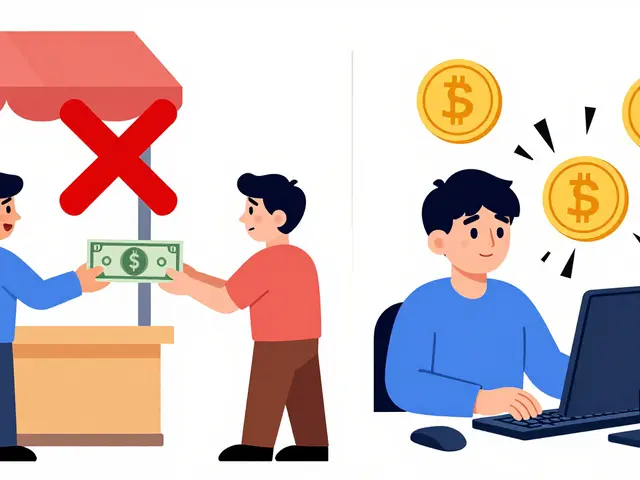
Imagine you want to earn money by helping a network stay secure. In the early days of cryptocurrency, there was only one way to do it: buy expensive hardware and burn electricity. That’s mining. But today, most major blockchains have switched to a different method called staking. So, which one should you choose? The answer depends on your budget, your tech skills, and how much risk you can handle.
In this guide, we’ll break down the real differences between mining and staking. We’ll look at costs, rewards, risks, and what each method actually means for the health of the blockchain. By the end, you’ll know exactly where you fit in.
Key Takeaways
- Mining (Proof-of-Work) requires specialized hardware like ASICs and consumes massive amounts of energy. It is best for those with high capital and technical expertise.
- Staking (Proof-of-Stake) requires locking up cryptocurrency instead of buying hardware. It is accessible to almost anyone with a standard computer or even just an exchange account.
- Rewards differ: Mining offers potentially higher returns but comes with high operational costs. Staking provides more predictable, passive income with lower barriers to entry.
- Risks vary: Miners face hardware failure and rising electricity bills. Stakers face "slashing" penalties if their validator acts maliciously or goes offline.
- Environmental impact: Staking uses over 99% less energy than mining, making it the preferred choice for eco-conscious investors and regulators.
How Mining Works: The Energy-Intensive Path
To understand mining, you have to think about it as a competition. In a Proof-of-Work (PoW) system, like Bitcoin, miners race against each other to solve complex mathematical puzzles. The first person to solve the puzzle gets to add the next block of transactions to the blockchain and receives a reward in new coins.
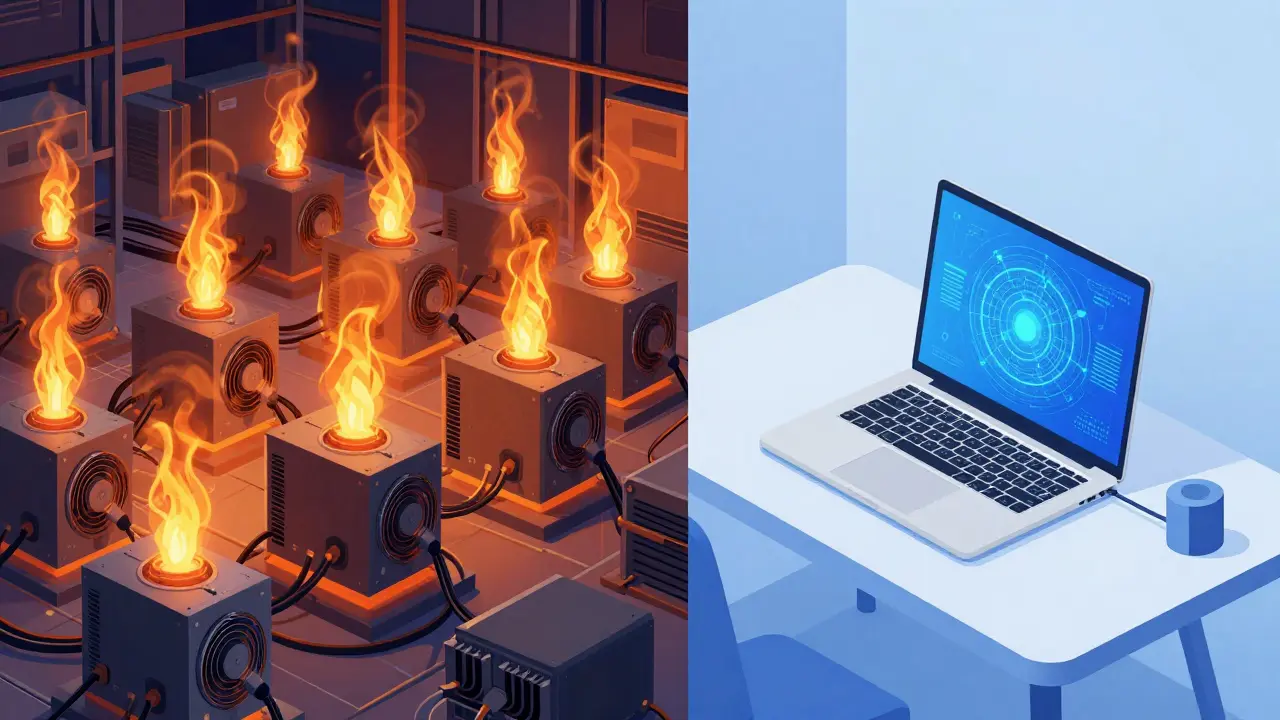
This process isn’t something you can do on your laptop. It requires specialized hardware known as Application-Specific Integrated Circuits (ASICs). These machines are built for one thing: hashing power. They are loud, they run hot, and they eat electricity for breakfast.
Here is the reality of mining in 2026:
- Hardware Costs: A single modern ASIC miner can cost thousands of dollars. You also need cooling systems, soundproofing, and robust electrical infrastructure.
- Energy Consumption: Bitcoin miners globally consume over 120 terawatt-hours of energy annually. That’s more than some mid-sized countries use. Your profitability depends heavily on having access to cheap electricity.
- Difficulty Adjustments: As more people join the network, the puzzles get harder. This means your hardware becomes less effective over time, forcing you to constantly upgrade or lose money.
Mining is essentially an industrial operation. It appeals to large companies that can negotiate bulk electricity rates and buy hardware in volume. For the average individual, solo mining Bitcoin is no longer profitable unless you live somewhere with free or near-free power.
How Staking Works: The Capital-Efficient Alternative
Staking flips the script. Instead of competing with computational power, you compete with wealth-or rather, commitment. In a Proof-of-Stake (PoS) system, like Ethereum or Cardano, validators are chosen to create blocks based on how many coins they have locked up, or "staked," as collateral.
You don’t need an ASIC. You don’t need a warehouse full of fans. You need a reliable internet connection and a standard computer. Here is how it works:
- Lock Up Funds: You deposit your cryptocurrency into a smart contract. For Ethereum, the standard requirement to run a solo validator node is 32 ETH.
- Get Selected: The protocol algorithmically selects validators to propose and attest to blocks. The more you stake, the higher your chances of being selected.
- Earn Rewards: When you successfully validate transactions, you earn rewards in the form of new coins and transaction fees.
If you don’t have 32 ETH, you aren’t left out. You can join a staking pool, where many users combine their funds to meet the minimum requirement. Alternatively, many exchanges offer "liquid staking" or simple staking services where you can stake small amounts with zero technical setup.
The environmental difference is staggering. When Ethereum switched from mining to staking in 2022, its energy consumption dropped by more than 99%. This shift made staking not just cheaper for operators, but far more sustainable for the planet.
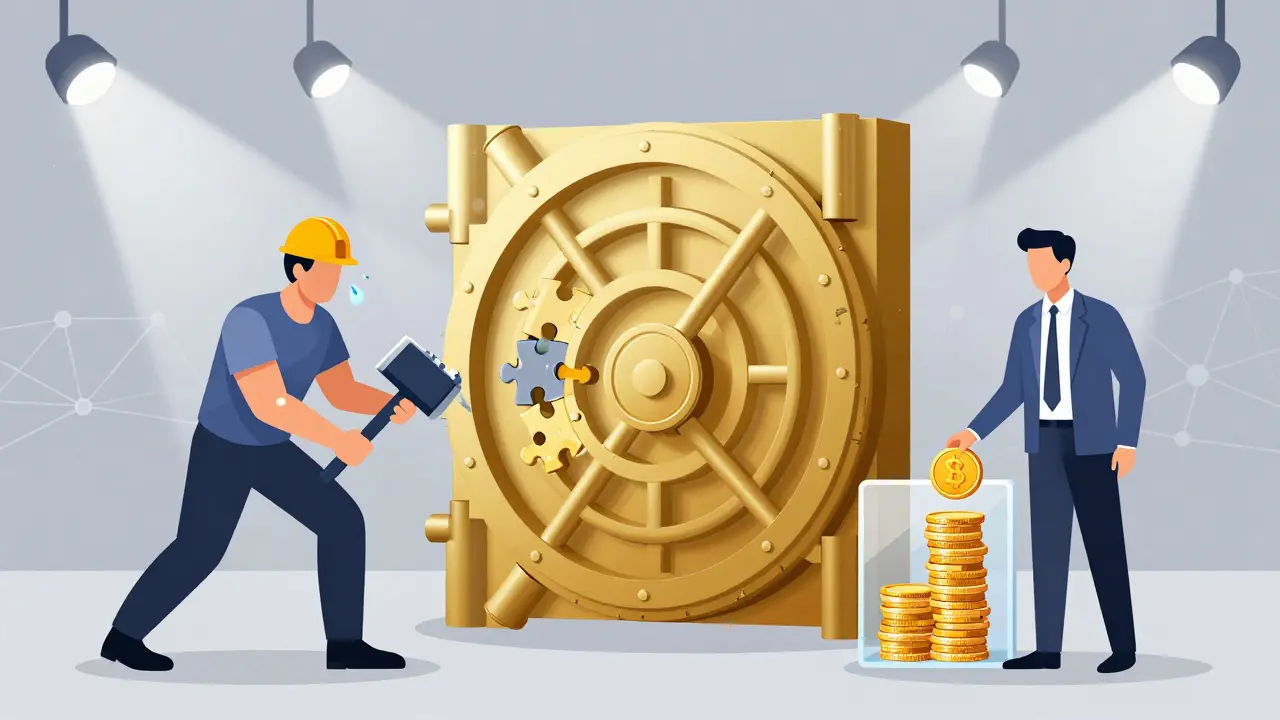
Direct Comparison: Mining vs Staking
Let’s put them side-by-side so you can see the trade-offs clearly.
| Feature | Mining (PoW) | Staking (PoS) |
|---|---|---|
| Primary Resource | Computational Power (Hashrate) | Cryptocurrency Holdings (Collateral) |
| Hardware Needed | Specialized ASICs/GPUs | Standard PC / Smartphone (for delegated staking) |
| Energy Use | Very High | Negligible |
| Upfront Cost | High (Hardware + Setup) | Medium (Buying Coins) |
| Ongoing Costs | Electricity + Maintenance | Internet + Electricity (Minimal) |
| Liquidity | High (Sell hardware anytime) | Low (Coins often locked for periods) |
| Main Risk | Hardware Obsolescence & Price Volatility | Slashing Penalties & Lockup Periods |
Reward Structures and Profitability
Why would anyone choose one over the other? It usually comes down to profit potential versus effort.
Mining Rewards: Mining rewards can be substantial, but they are highly variable. Your income depends on three things: the price of the coin, the difficulty of the network, and the cost of your electricity. If the coin price crashes or difficulty spikes, your margins vanish. However, if you have access to extremely cheap renewable energy, mining can still yield high returns because you own the physical asset (the machine) that generates value.
Staking Rewards: Staking rewards are generally more predictable. They are expressed as an Annual Percentage Yield (APY). For example, Ethereum staking might offer an APY of 3-5%, while newer PoS chains might offer 10-20% to attract participants. The key advantage here is passivity. Once you set up your validator or delegate to a pool, you don’t need to monitor it constantly. You are earning yield on your assets, similar to interest in a savings account, but with higher volatility risk.
Keep in mind that staking rewards are proportional to your stake. If you stake $1,000 worth of coins, you’ll earn a fraction of what someone staking $100,000 earns. Mining, conversely, allows you to scale linearly with hardware. Buy twice as many machines, get twice the hash rate.
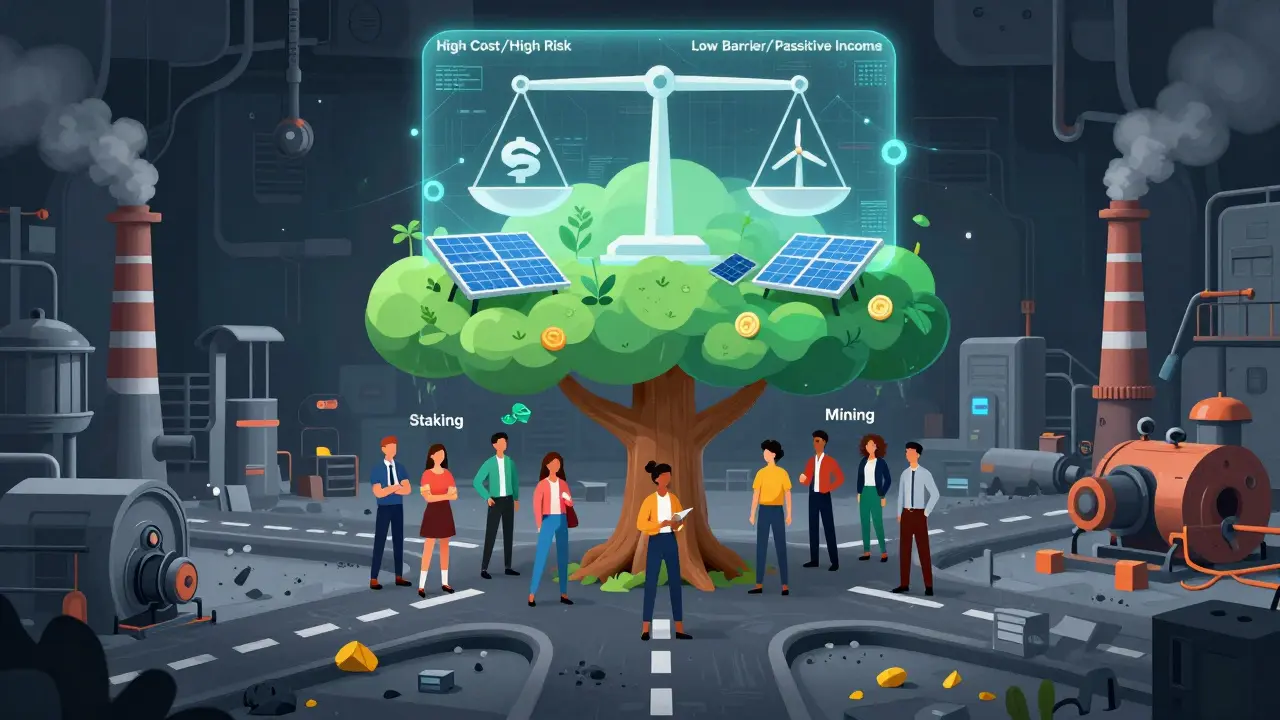
Risks You Need to Know
No investment is without risk. Both methods carry distinct dangers that could wipe out your profits.
Mining Risks:
- Hardware Failure: ASICs are stressed components. They fail. Replacing them eats into your profits.
- Regulatory Pressure: Some regions are banning or taxing PoW mining due to energy concerns. This can force you to shut down operations unexpectedly.
- Obsolescence: Newer, more efficient miners come out regularly. Your old rig becomes less competitive overnight.
Staking Risks:
- Slashing: This is unique to PoS. If your validator node behaves maliciously (like trying to double-sign blocks) or stays offline for too long, the protocol can "slash" your stake-meaning it permanently destroys a portion of your locked coins. This is a severe penalty designed to keep validators honest.
- Liquidity Locks: Many PoS networks require you to lock your coins for a specific period. If the market crashes, you can’t sell your coins to cut losses until the lock-up period ends. Liquid staking derivatives (LSDs) help mitigate this, but they introduce smart contract risk.
- Centralization Concerns: Critics argue that staking favors the wealthy, as those with more coins have more influence. While pools help democratize access, large entities often control significant portions of the staked supply.
Which One Is Right for You?
Your choice depends on your profile.
Choose Mining If:
- You have significant capital to invest in hardware.
- You have access to very cheap electricity (under $0.05/kWh).
- You enjoy technical tinkering and managing physical infrastructure.
- You believe in the long-term security model of Proof-of-Work, particularly for Bitcoin.
Choose Staking If:
- You already hold cryptocurrencies and want to put them to work.
- You prefer low-maintenance, passive income.
- You care about environmental sustainability.
- You lack the technical space or noise tolerance for mining rigs.
The Future of Blockchain Validation
The industry is clearly moving toward staking. Most new blockchain projects launch with PoS because it is easier to implement, cheaper to run, and friendlier to regulators. Ethereum’s transition in 2022 was a watershed moment, signaling that even the largest networks prioritize efficiency.
However, mining isn’t dead. Bitcoin remains the dominant PoW chain, and its security model is deeply ingrained in the crypto ethos. As long as Bitcoin exists, mining will exist. Furthermore, innovations in renewable energy integration are making mining greener, addressing one of its biggest criticisms.
For now, both methods will coexist. Mining serves as the bedrock for established, high-security networks. Staking powers the next generation of scalable, sustainable applications. Understanding both gives you the flexibility to participate in whichever ecosystem aligns with your goals.
Can I mine Bitcoin on my home computer?
No. Modern Bitcoin mining requires specialized ASIC hardware. Using a home computer or GPU will not generate enough hash power to earn any meaningful rewards, and the electricity cost will far exceed any potential earnings.
What happens if my staked coins go down in value?
You still own the same amount of coins, but their dollar value decreases. Unlike a bank account, staking does not protect against market volatility. Additionally, if the coin price drops significantly, the value of your staking rewards may not offset the loss in principal value.
Is staking safer than mining?
It depends on how you define safety. Staking has lower operational risks (no hardware to break), but it carries financial risks like slashing and liquidity locks. Mining has high operational risks (hardware failure, electricity costs) but no risk of losing your principal investment (you can always sell the hardware).
Do I need to run a node to stake?
Not necessarily. You can stake directly by running a validator node (which requires technical knowledge), or you can use a staking service provided by exchanges or liquid staking protocols. These services handle the node operation for you, though they take a cut of the rewards.
Will mining ever become environmentally friendly?
Many mining operations are increasingly using renewable energy sources like hydroelectric, solar, and wind power. Some miners even utilize stranded energy that would otherwise go to waste. However, compared to staking, mining will always consume significantly more energy per transaction validated.