Crypto Leverage: What It Is, How It Works, and Why It’s Risky
When you use crypto leverage, a trading method that lets you borrow funds to increase your position size in cryptocurrency markets. Also known as margin trading, it lets you control a larger amount of crypto than your actual balance allows—like using a 10x multiplier to turn $100 into a $1,000 trade. But this isn’t magic. It’s math—and math can turn your profits into losses faster than you can click sell.
Most people hear about crypto leverage from influencers showing off 50x gains on Bitcoin. But behind those wins are thousands of accounts wiped out when the price moved just 2% the wrong way. Margin trading, the practice of borrowing capital from a platform to trade larger positions. Also known as leveraged trading, it’s common on centralized exchanges like Binance and derivatives platforms like Paradex. You’re not just betting on price—you’re betting on price staying within a narrow window while your borrowed funds rack up interest and liquidation risk. One bad candlestick, one flash crash, and your entire balance can vanish.
It’s not just about the exchange you pick. DeFi leverage, using smart contracts on decentralized platforms to borrow and trade crypto without a middleman. Also known as on-chain leverage, it’s even riskier because there’s no customer support, no human to call, and no safety net if the code glitches. Projects like Hedget and Paradex offer tools for advanced traders, but most users don’t understand how liquidation thresholds work. They think they’re playing with house money. They’re not. They’re playing with borrowed money—and the house always wins in the end.
What you’ll find in these posts isn’t hype. It’s reality checks. You’ll read about exchanges that claim zero fees but hide hidden liquidation traps. You’ll see tokens tied to leverage protocols that vanished overnight. You’ll learn why a 10x position on a meme coin isn’t a shortcut to wealth—it’s a one-way ticket to zero. There’s no sugarcoating here. If you’re using leverage, you need to know how it breaks, not just how it works.
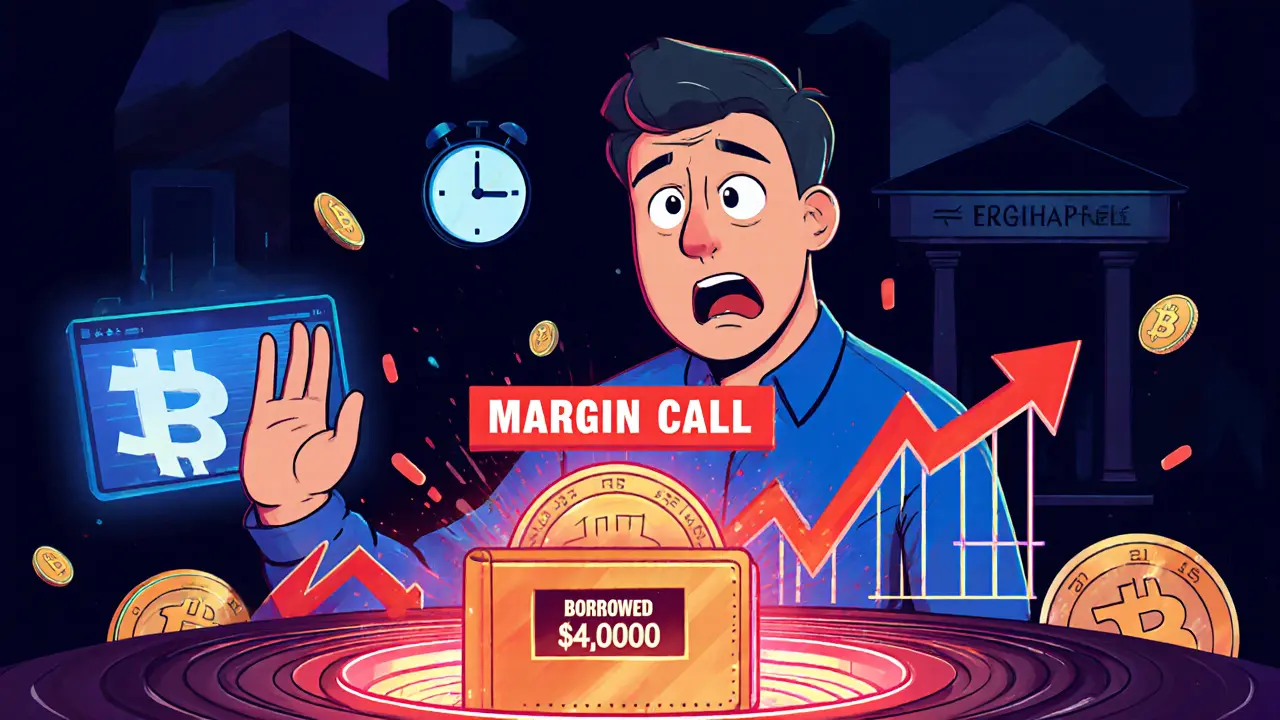
Margin Call and Liquidation Explained: How Leverage Risks Work in Crypto Trading
Margin calls and liquidation are critical risks in leveraged crypto trading. Learn how they work, why they happen, and how to avoid losing everything - even if you're new to trading with leverage.
Top News
-
North Korean Crypto Sanctions and Sanctioned Wallet Addresses: How the Regime Funds Its Weapons with Stolen Digital Assets 3.03.2026
-
Cryptal Crypto Exchange Review: Is It Right for You in 2026? 2.03.2026

-
MOT by Mobius Finance Airdrop: What Really Happened and Where to Buy MOT Today 4.03.2026

-
Mexico Crypto Monitoring Regulations by CNBV: What You Need to Know in 2026 1.03.2026
-
BunnySwap Crypto Exchange Review: A Niche DEX with Almost No Trading Volume 5.03.2026