Gasless Transactions: How to Send Crypto Without Paying Gas Fees
When you send crypto, you usually pay a gas fee, the cost to process a transaction on a blockchain network. Also known as transaction fee, it’s what keeps networks like Ethereum secure and running. But what if you could send tokens, NFTs, or swap assets without paying anything? That’s where gasless transactions, a system where someone else covers the cost of executing your transaction come in. They’re not magic—they’re smart contract tech, built into wallets and protocols to remove one of the biggest barriers for new users.
Gasless transactions rely on account abstraction, a blockchain upgrade that separates your wallet’s logic from its address. Instead of your wallet needing ETH to pay fees, a third party—like the app you’re using or a sponsor—pays for it. This is powered by standards like EIP-4337, a protocol that lets wallets act like smart contracts without changing the core blockchain. You sign a message, the system bundles it, and a relayer sends it to the chain on your behalf. No ETH in your wallet? No problem. You still get the transaction done.
This isn’t just for convenience. It’s critical for mass adoption. Imagine onboarding someone to crypto without asking them to buy ETH first. Or letting a gamer claim an NFT after finishing a level—no wallet setup, no gas panic. Apps like Argent, Safe, and even some DeFi platforms already use this. You’ll see it in airdrops, social logins, and mobile wallets that promise "zero gas". But there’s a catch: you’re trusting someone else to pay for your transaction. That’s why real gasless systems are transparent, audited, and often backed by the project itself—not random third parties.
Look at the posts below. You’ll find real examples of how gasless tech is being used—whether it’s in airdrops that let you claim tokens without ETH, wallets that hide fees behind the scenes, or chains built to make transactions frictionless. Some posts warn about fake claims. Others show you how to spot the real ones. You’ll learn what’s possible today, what’s still experimental, and what to avoid. This isn’t theory. It’s happening right now. And if you’re using crypto, you’ll run into it soon.
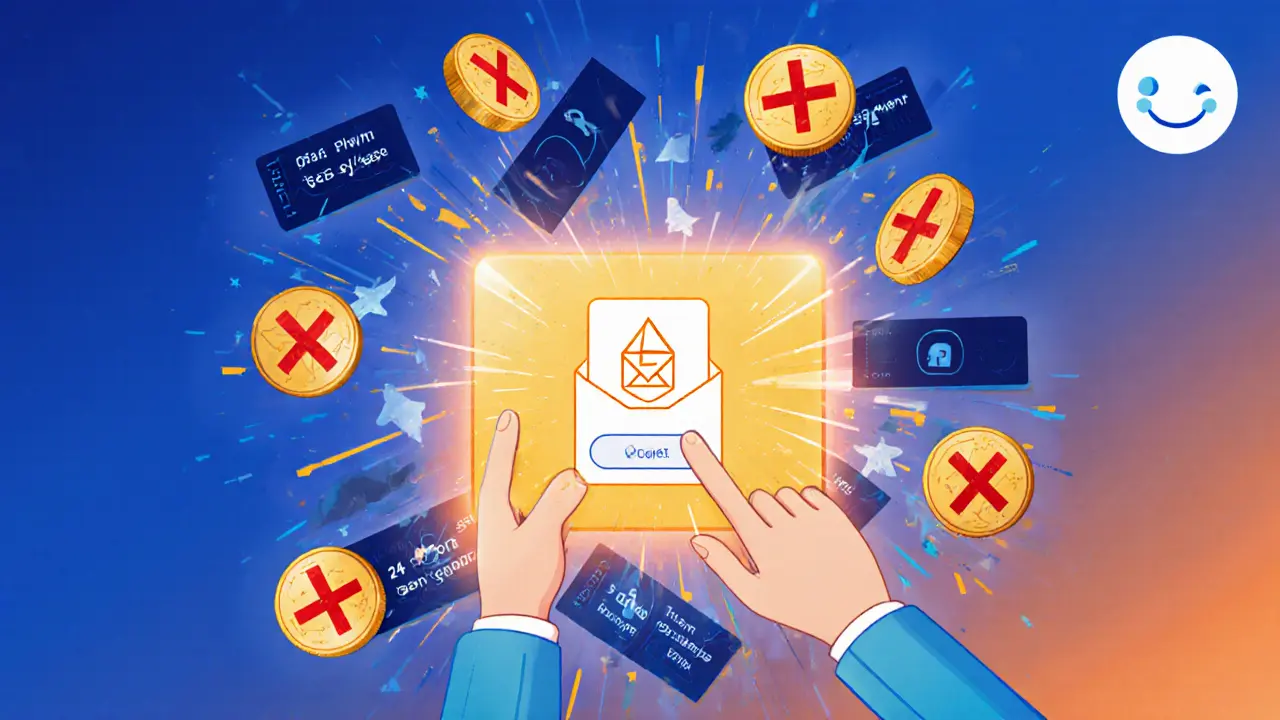
Account Abstraction vs Traditional Accounts: The Future of Blockchain Wallets
Account abstraction replaces fragile private-key wallets with programmable smart wallets that offer gasless transactions, social recovery, and multi-signature security-making blockchain easier and safer for everyone.
Top News
-
Mexico Crypto Monitoring Regulations by CNBV: What You Need to Know in 2026 1.03.2026
-
BunnySwap Crypto Exchange Review: A Niche DEX with Almost No Trading Volume 5.03.2026

-
Cryptal Crypto Exchange Review: Is It Right for You in 2026? 2.03.2026
-
North Korean Crypto Sanctions and Sanctioned Wallet Addresses: How the Regime Funds Its Weapons with Stolen Digital Assets 3.03.2026
-
Wealth Tax Treatment of Crypto in Switzerland: What You Need to Know in 2026 6.03.2026