Katana crypto: What it is, how it works, and what you need to know
When you hear Katana crypto, a decentralized exchange built on the Solana blockchain that enables fast, low-fee trading of tokens without intermediaries. It's also known as Katana DEX, and it’s one of the few platforms designed specifically for high-speed, low-cost crypto trading on Solana. Unlike older exchanges that rely on Ethereum, Katana leverages Solana’s speed to process trades in milliseconds with fees under a penny. That’s why traders who care about speed and cost—especially those swapping meme coins or testing new tokens—keep coming back.
Katana crypto isn’t just another DEX. It’s built for traders who want to avoid the delays and high gas fees of Ethereum-based platforms. It works like a digital marketplace where you swap tokens directly from your wallet, no middleman needed. The platform supports popular Solana-based tokens like $SOL, $RAY, and newer meme coins that launch daily. But here’s the catch: it’s not for everyone. If you’re holding long-term, you might not need it. But if you’re actively trading, testing new projects, or chasing quick gains, Katana gives you the tools to move fast. It’s also tied to the broader Solana ecosystem, which means its success depends on how well Solana holds up under pressure—from network outages to token dumps.
Related to Katana crypto are other Solana DEXs like Jupiter, a multi-hop aggregator that finds the best prices across dozens of exchanges, and Raydium, a liquidity protocol that combines automated market making with order book features. While Jupiter pulls liquidity from everywhere, Katana keeps things simple: direct swaps, clean UI, and zero slippage on small trades. But it doesn’t have the same depth of liquidity as Jupiter, and it’s not as feature-rich as Raydium. That’s why users often switch between them—Katana for speed, Jupiter for price, Raydium for yield.
What you won’t find on Katana? Big-name tokens like Bitcoin or Ethereum. It’s purely a Solana-native platform. That means you need SOL in your wallet to pay for trades, and you need to understand how to connect your Phantom or Solflare wallet. It’s not beginner-friendly by design—it’s built for people who already know what they’re doing. And because it’s so fast, mistakes happen quickly. A wrong token address? Gone. A mis-clicked swap? Gone. There’s no undo button in crypto, and Katana doesn’t slow you down to protect you.
So why does Katana crypto matter in 2025? Because Solana is still one of the few blockchains that can handle real trading volume without crashing. While Ethereum struggles with congestion and high fees, Solana—and platforms like Katana—keep trading alive. Whether you’re swapping new meme coins, testing DeFi protocols, or just trying to get in and out of positions before the market shifts, Katana gives you the edge. But it’s not a place to store value. It’s a place to move it. And if you’re looking for real, active trading on Solana, you’ll find it here.
Below, you’ll find real reviews, risk assessments, and breakdowns of platforms like Katana—and others that try to copy it. Some are legit. Most aren’t. We cut through the noise so you don’t have to.
Katana Crypto Exchange Review: What It Really Is and How It Works
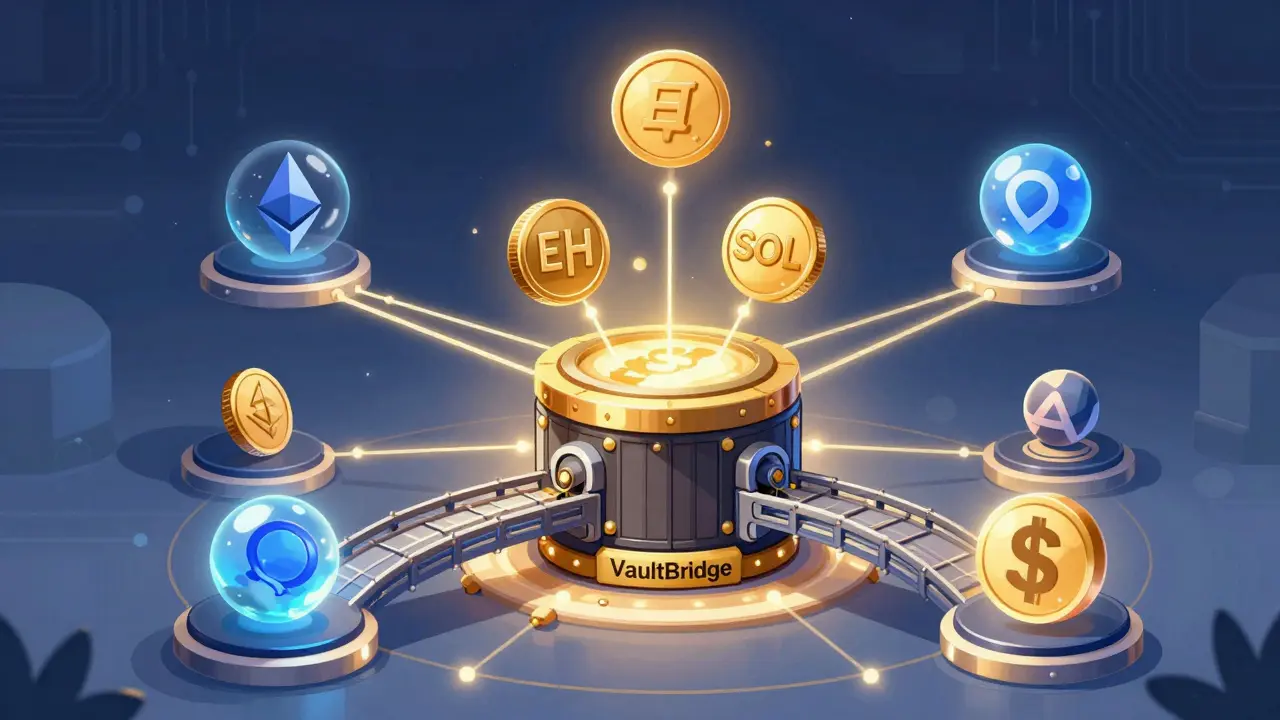
Katana is not a crypto exchange - it's a DeFi blockchain that connects liquidity across chains to generate sustainable yield. Learn how VaultBridge and Chain-Owned Liquidity work, who it's for, and why it's different from Arbitrum or Yearn.
Top News
-
Wealth Tax Treatment of Crypto in Switzerland: What You Need to Know in 2026 6.03.2026

-
BunnySwap Crypto Exchange Review: A Niche DEX with Almost No Trading Volume 5.03.2026

-
MOT by Mobius Finance Airdrop: What Really Happened and Where to Buy MOT Today 4.03.2026
-
Mexico Crypto Monitoring Regulations by CNBV: What You Need to Know in 2026 1.03.2026
-
Cryptal Crypto Exchange Review: Is It Right for You in 2026? 2.03.2026