KEGOC – Kuwait’s Power Grid and Crypto Landscape
When talking about KEGOC, the state‑owned utility that builds, operates and maintains Kuwait’s high‑voltage electricity transmission network. Also known as Kuwait Electricity Grid Operations Company, it plays a vital role in delivering reliable power to homes, industry and critical infrastructure across the country.
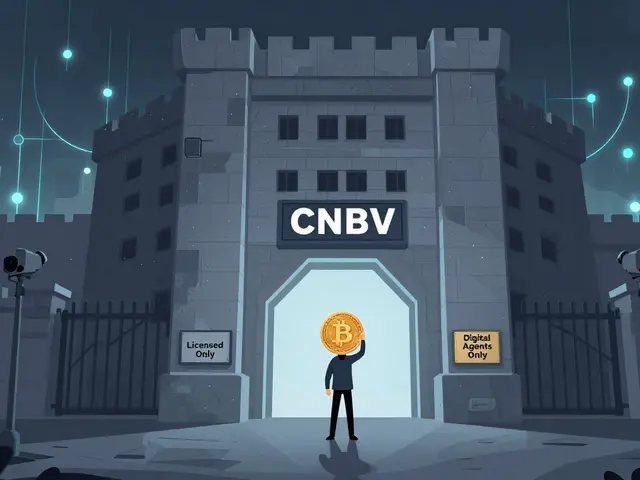
Understanding KEGOC matters because it sits at the intersection of energy security and emerging digital finance. The Central Bank of Kuwait, the nation’s monetary authority recently issued a full prohibition on crypto activities, a move that reshapes how utilities like KEGOC can explore blockchain solutions. This ban (a direct response to money‑laundering concerns) forces the energy sector to weigh compliance against innovation. For example, token‑based demand‑response programs or renewable‑energy certificates could reduce costs, but only if they fit within the strict regulatory framework set by the central bank.KEGOC therefore must balance traditional grid reliability with a cautious look at blockchain pilots that respect the ban.
Key Themes Around KEGOC and Crypto Policy
Three related entities shape the conversation. First, the Kuwait crypto ban, a legal order that bars all cryptocurrency trading, issuance and related services within the country creates a compliance baseline for any digital project. Second, GCC regulations, the broader set of financial and technological rules governing the Gulf Cooperation Council nations provide context; many GCC members are testing blockchain for energy trading, so Kuwait’s stance stands out. Third, blockchain adoption, the process of integrating distributed ledger technology into existing systems offers both risk and reward for KEGOC. The semantic triples that link them are:
- KEGOC encompasses national power transmission.
- KEGOC requires regulatory compliance set by the Central Bank of Kuwait.
- Kuwait crypto ban influences blockchain adoption in the energy sector.
- GCC regulations shape cross‑border energy token projects.
- Blockchain adoption enables new grid‑balancing services.
Now that you’ve got the big picture, scroll down to explore detailed analyses, expert reviews and step‑by‑step guides that break down each piece of this puzzle. From the Central Bank’s latest statements to real‑world blockchain pilots in neighboring Gulf states, the articles ahead will help you see where KEGOC stands today and what opportunities might arise tomorrow.
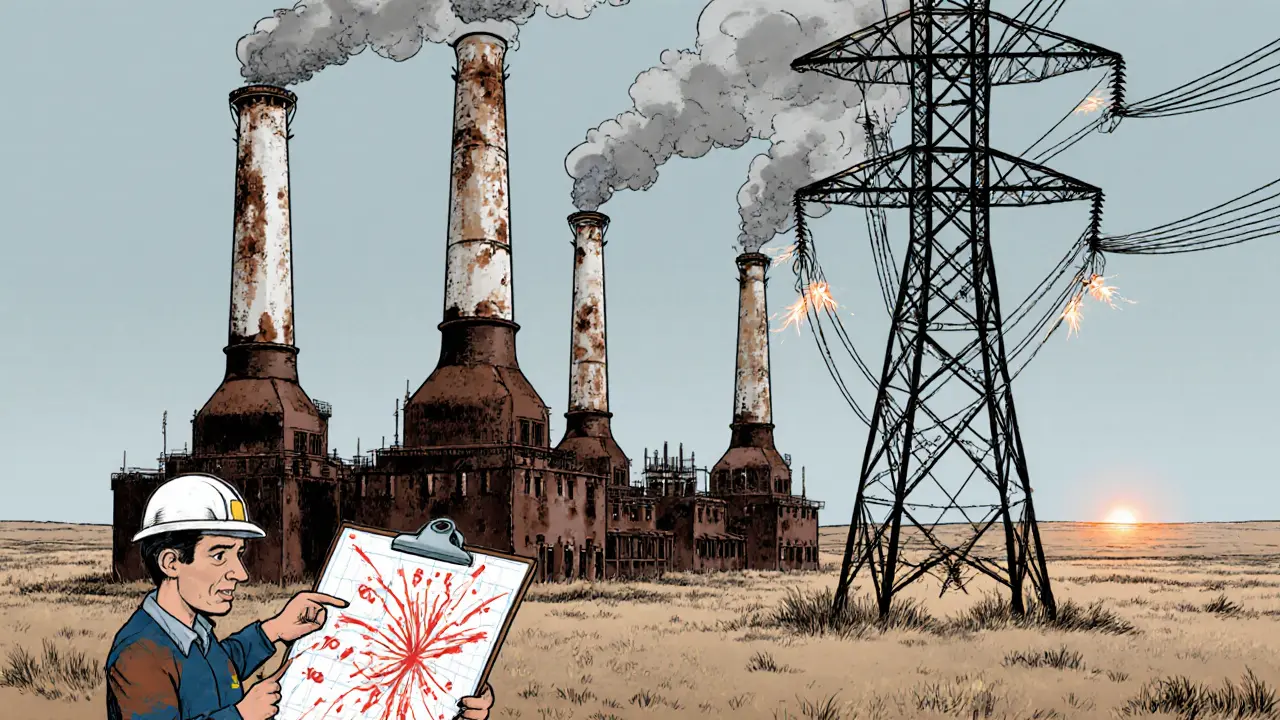
Kazakhstan’s Energy Grid Crisis and Crypto Mining Ban Explained
Explore Kazakhstan's crumbling power grid, soaring electricity losses, and the government's crypto mining ban-plus renewable plans and future infrastructure projects.
Top News
-
BunnySwap Crypto Exchange Review: A Niche DEX with Almost No Trading Volume 5.03.2026

-
Cryptal Crypto Exchange Review: Is It Right for You in 2026? 2.03.2026

-
North Korean Crypto Sanctions and Sanctioned Wallet Addresses: How the Regime Funds Its Weapons with Stolen Digital Assets 3.03.2026

-
Wealth Tax Treatment of Crypto in Switzerland: What You Need to Know in 2026 6.03.2026

-
Mexico Crypto Monitoring Regulations by CNBV: What You Need to Know in 2026 1.03.2026