KIZUNA crypto: What it is, why it matters, and what you need to know
When you hear KIZUNA crypto, a community-focused token often tied to memecoin movements and decentralized social experiments. Also known as KIZUNA token, it’s not a standalone project—it’s a symbol of how crypto communities rally around identity, not just utility. Unlike Bitcoin or Ethereum, KIZUNA doesn’t solve a technical problem. It doesn’t have a whitepaper or a team in a Silicon Valley office. Instead, it lives in Telegram groups, Discord servers, and meme threads where people trade not for profit, but for belonging.
This kind of token connects to bigger ideas in crypto: Solana memecoins, low-cost, fast tokens built on Solana’s blockchain that thrive on hype and community, and crypto airdrops, free token distributions meant to spark adoption and reward early supporters. You’ll see KIZUNA pop up alongside tokens like DUCKY, CHILL, or CRAZYPEPE—not because they’re valuable, but because they’re visible. They’re the digital equivalent of wearing a band t-shirt to a concert: it says, ‘I’m part of this.’
But here’s the catch: most tokens like KIZUNA have no real backing. No audits. No liquidity pools. No exchange listings. They’re created in minutes, promoted for a week, then vanish. That’s not always a scam—it’s often just noise. The real value isn’t in the token price. It’s in the community that forms around it. People share memes, trade tips, and sometimes even build tools together. That’s the hidden layer most people miss.
If you’ve seen KIZUNA mentioned in a tweet or a TikTok video, you’re not alone. Thousands of new crypto users stumble onto these tokens every month, thinking they’ve found the next big thing. But the real question isn’t whether KIZUNA will go up in price. It’s whether you’re investing in a coin—or in a culture. The posts below dig into exactly that. You’ll find breakdowns of similar tokens, how airdrops really work, why some tokens die overnight, and how to tell the difference between a movement and a mirage. No fluff. Just what’s real, what’s risky, and what’s just gone.
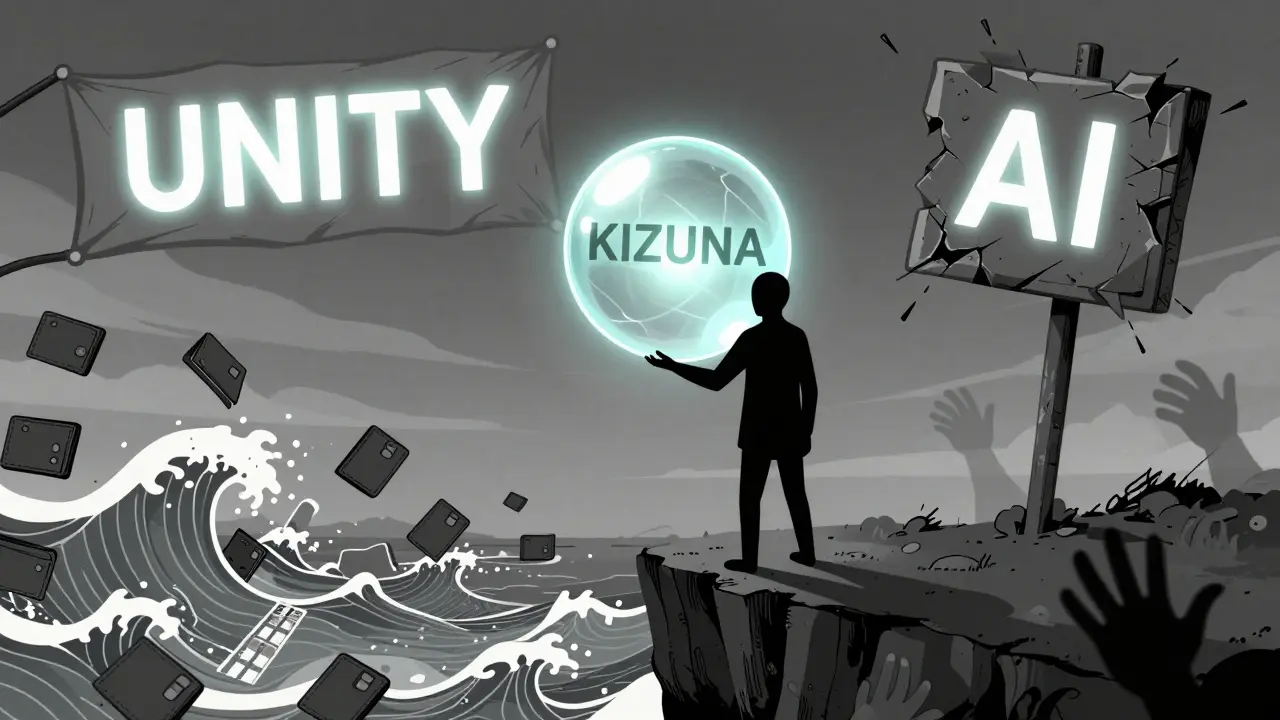
What is KIZUNA (KIZUNA) crypto coin? Facts, risks, and reality check
KIZUNA is a micro-cap crypto token with no team, no utility, and extremely low liquidity. Despite claims of AI and community bonding, it's a high-risk meme coin with a 92% failure rate among similar tokens.
Top News
-
What is BLink (BLINK) Crypto Coin? Clearing Up the Confusion 10.04.2026

-
Understanding PVARA: Crypto Regulations & Restrictions in Pakistan 1.04.2026

-
VPN Detection Risks for Crypto Traders in Iran: How to Stay Safe 8.04.2026

-
Bitcoin in El Salvador: The Shift from Legal Tender to Voluntary Use 9.04.2026

-
CRMClick Crypto Exchange Review: Is it Safe to Trade Here? 4.04.2026