Margin Call: What It Is, How It Works, and Why It Matters in Crypto
When you trade crypto with margin call, a demand from a broker to deposit more funds when a leveraged position moves against you. Also known as liquidation warning, it’s the moment your trade hits a danger zone—and if you don’t act, your position gets wiped out. This isn’t some abstract finance term. It’s what happens when you borrow money to buy Bitcoin, the price drops, and your exchange says, "Pay up or we close your trade."
Margin trading lets you control more crypto than your wallet holds, using borrowed funds. It’s like renting a car with a credit card—you only put down a deposit, but you’re responsible for the full value if something goes wrong. In crypto, this can mean doubling your gains… or losing everything. That’s why crypto leverage, the amount of borrowed capital used in a trade is so risky. Most new traders don’t realize that a 10% drop in Bitcoin can wipe out a 5x leveraged position. And when that happens, your exchange doesn’t ask nicely—it triggers a liquidation, the automatic closing of a leveraged position when equity falls below the required level.
It’s not just about price swings. margin trading, the practice of borrowing funds to increase exposure to an asset is also affected by volatility, fees, and funding rates. On platforms like Paradex or dYdX, you’re paying interest just to hold your leveraged position overnight. If the market stalls, those fees eat into your balance. And if the price moves against you fast—like during a crypto crash—you get hit with a margin call before you even have time to react.
Most people think margin trading is a shortcut to riches. It’s not. It’s a high-stakes game where the house always has the edge. The posts below show real cases: traders who lost everything because they ignored margin calls, platforms that forced liquidations without warning, and how even big moves like Ethereum’s Merge or India’s 30% crypto tax can trigger cascading liquidations across the market. You’ll also find guides on how to set stop-losses, choose safe leverage ratios, and spot exchanges that hide risky terms. This isn’t about getting rich quick. It’s about surviving long enough to actually win.
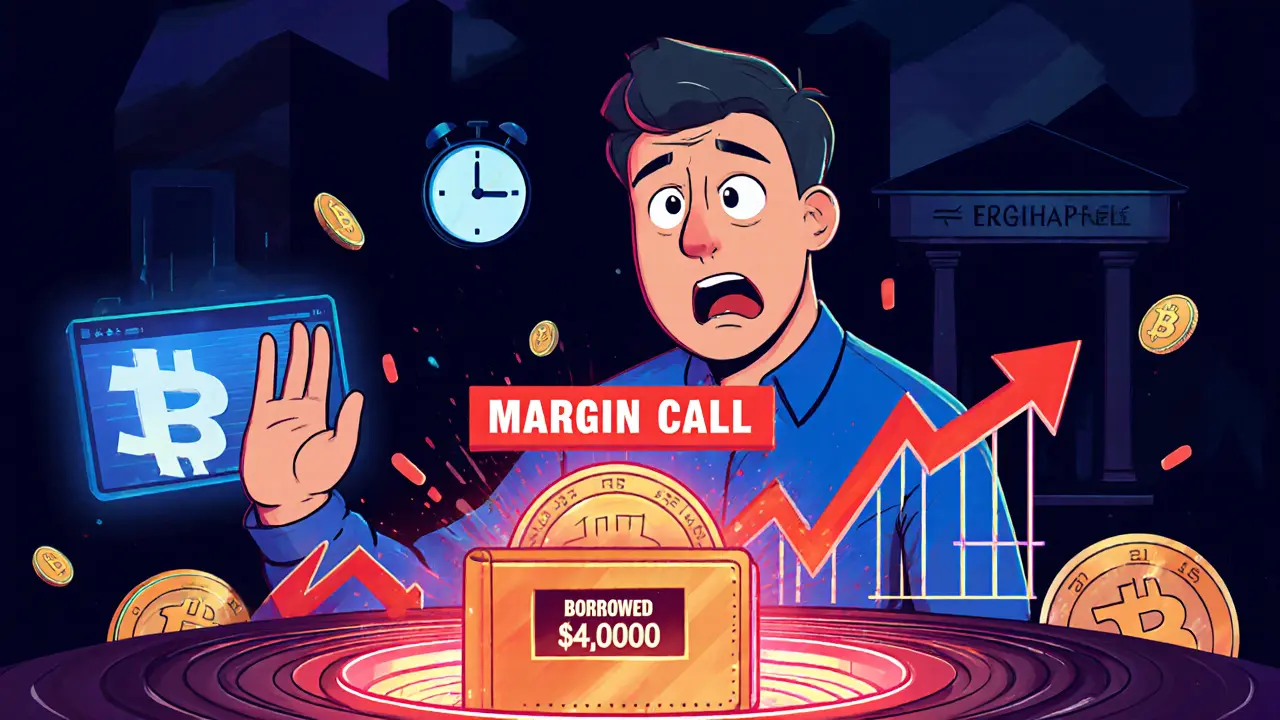
Margin Call and Liquidation Explained: How Leverage Risks Work in Crypto Trading
Margin calls and liquidation are critical risks in leveraged crypto trading. Learn how they work, why they happen, and how to avoid losing everything - even if you're new to trading with leverage.
Top News
-
Cryptal Crypto Exchange Review: Is It Right for You in 2026? 2.03.2026

-
Wealth Tax Treatment of Crypto in Switzerland: What You Need to Know in 2026 6.03.2026

-
BunnySwap Crypto Exchange Review: A Niche DEX with Almost No Trading Volume 5.03.2026

-
MOT by Mobius Finance Airdrop: What Really Happened and Where to Buy MOT Today 4.03.2026

-
Mexico Crypto Monitoring Regulations by CNBV: What You Need to Know in 2026 1.03.2026