NFT Ownership Verification: How to Prove You Really Own Your Digital Asset
When you buy an NFT, a unique digital token stored on a blockchain that represents ownership of a specific asset. Also known as non-fungible token, it’s not just a picture or file—it’s a verifiable claim of ownership recorded on a public ledger. But owning an NFT isn’t as simple as having it in your wallet. Anyone can copy the image. The real question is: Can you prove you’re the legitimate owner? That’s where NFT ownership verification comes in.
NFT ownership verification relies on the blockchain’s public record. Every time an NFT is minted, bought, or transferred, the transaction is permanently written to the chain. Tools like Etherscan or Solana Explorer let you trace the full history of an NFT—from its creator to your wallet. This chain of custody is called provenance, the documented history of ownership and authenticity of a digital asset. If the NFT was created by a known artist or brand and moved through verified wallets, that adds trust. But if it jumped through 12 fake wallets before landing in yours? Red flag.
Real NFT ownership verification isn’t about screenshots or marketplace listings. It’s about matching the wallet address on the blockchain to your private key. That’s why phishing scams target your login details—they don’t need to steal the NFT, just trick you into signing a transfer. Always check the contract address yourself. Never click links from DMs. And never sign a transaction unless you know exactly what you’re approving. Many users think they own an NFT because they see it on OpenSea or Magic Eden. But if the contract is fake, or the NFT was minted by a scammer, your "ownership" is meaningless.
Some projects use off-chain verification like Discord roles or website badges to show you own an NFT. But those can be faked. Only the blockchain can’t be altered. That’s why projects like Bored Ape Yacht Club and CryptoPunks rely on on-chain verification—they link your wallet directly to access rights, events, or future drops. If you don’t control the wallet that holds the NFT, you don’t control the benefits.
And don’t assume rarity equals legitimacy. A million-copy NFT with a fancy name still needs verified ownership. The value isn’t in the art—it’s in the unbreakable proof that you’re the one who holds the key. That’s what makes NFTs different from JPEGs. Without ownership verification, you’re just looking at pixels.
Below, you’ll find real examples of NFT projects, scams, and tools that help you verify what’s real. No fluff. Just what you need to know to protect your assets and avoid losing everything to a fake contract or phishing link.
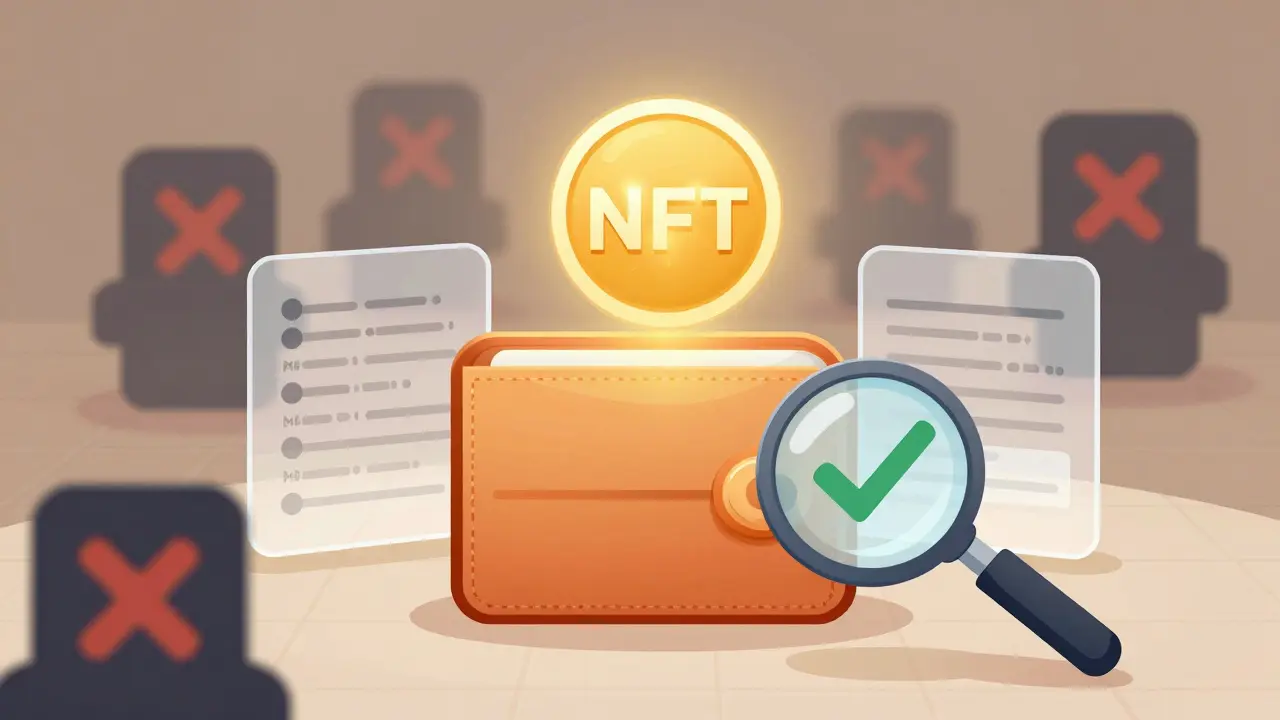
How to Verify NFT Ownership on Blockchain: A Step-by-Step Guide
Learn how to verify NFT ownership on the blockchain using Etherscan and other tools. Avoid scams, understand what you really own, and confirm your NFT is legitimate with step-by-step verification.
Top News
-
Mexico Crypto Monitoring Regulations by CNBV: What You Need to Know in 2026 1.03.2026
-
MOT by Mobius Finance Airdrop: What Really Happened and Where to Buy MOT Today 4.03.2026
-
Cryptal Crypto Exchange Review: Is It Right for You in 2026? 2.03.2026
-
North Korean Crypto Sanctions and Sanctioned Wallet Addresses: How the Regime Funds Its Weapons with Stolen Digital Assets 3.03.2026
-
BunnySwap Crypto Exchange Review: A Niche DEX with Almost No Trading Volume 5.03.2026