Smart Wallet: What It Is, How It Works, and Why It Matters in Crypto
When you think of a smart wallet, a digital tool that lets you store, send, and interact with cryptocurrency using blockchain-based logic. Also known as software wallet, it’s the bridge between your crypto and the real-world apps you use—like DeFi platforms, NFT marketplaces, and airdrop portals. Unlike simple wallets that just hold coins, a smart wallet runs code. That means it can automatically execute trades, claim tokens, or lock funds under specific conditions—all without needing to manually approve every single action.
Most people start with a smart wallet like MetaMask, a browser extension that connects to Ethereum and other EVM chains or Trust Wallet, a mobile app that supports hundreds of tokens and integrates with DEXs. These aren’t just storage tools—they’re your access pass to the entire Web3 ecosystem. But here’s the catch: the more powerful a smart wallet is, the more dangerous it becomes if hacked. Every time you sign a transaction, you’re giving permission. One wrong click, and your funds could vanish. That’s why pairing your smart wallet with a hardware wallet, a physical device like Ledger or Trezor that stores private keys offline is the gold standard for serious users. You keep your keys safe on the device, but still use your smart wallet to interact with apps—cutting risk without losing convenience.
Look at the posts below. You’ll see real examples of what happens when smart wallets go wrong—or right. Some users lost money because they approved a malicious contract. Others claimed airdrops safely because they used wallet permissions wisely. One post breaks down why software wallets are convenient but risky. Another explains how hardware wallets add a layer of protection that no app can match. You’ll also find warnings about fake airdrops that trick you into connecting your wallet to scam sites. These aren’t hypotheticals—they’re real mistakes people made, and they’re avoidable.
Smart wallets aren’t going away. They’re getting smarter, faster, and more integrated into everyday crypto use. But they’re only as safe as the person using them. Whether you’re claiming your first airdrop, swapping tokens on a DEX, or just holding Bitcoin, your wallet is your first line of defense. Know how it works. Understand what you’re signing. And never ignore the red flags.

Account Abstraction vs Traditional Accounts: The Future of Blockchain Wallets
Account abstraction replaces fragile private-key wallets with programmable smart wallets that offer gasless transactions, social recovery, and multi-signature security-making blockchain easier and safer for everyone.
Top News
-
MOT by Mobius Finance Airdrop: What Really Happened and Where to Buy MOT Today 4.03.2026

-
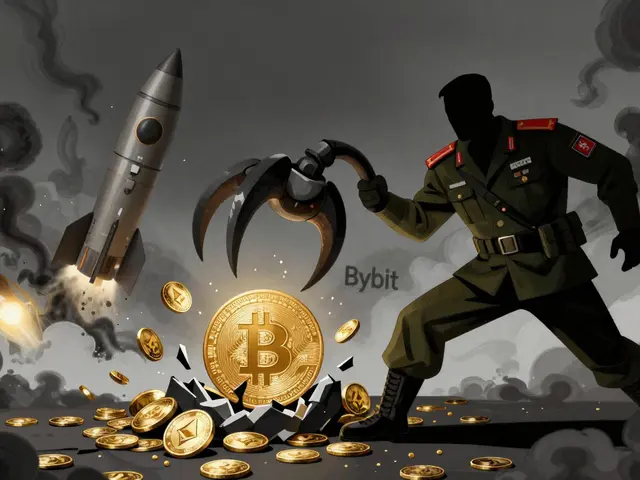
North Korean Crypto Sanctions and Sanctioned Wallet Addresses: How the Regime Funds Its Weapons with Stolen Digital Assets 3.03.2026
-
Cryptal Crypto Exchange Review: Is It Right for You in 2026? 2.03.2026
-
Wealth Tax Treatment of Crypto in Switzerland: What You Need to Know in 2026 6.03.2026

-
BunnySwap Crypto Exchange Review: A Niche DEX with Almost No Trading Volume 5.03.2026