Trading Risk in Crypto: What You Need to Know Before You Trade
When you trade crypto, you're not just betting on price movements—you're navigating trading risk, the potential to lose money due to market swings, platform failures, or outright fraud. Also known as crypto market risk, it’s what separates smart traders from those who lose everything in a single bad move. Most people think risk means a coin dropping 30% overnight. But the real danger? Trading a token with $0 volume, using a fake exchange, or falling for an airdrop that doesn’t exist.
DeFi risk, the danger of losing funds through smart contract flaws or broken protocols, is another layer most beginners ignore. Look at Hedget (HGET)—it’s a decentralized options tool built to reduce risk, but even it depends on Ethereum and BSC, which can get congested or hacked. Then there’s Lifinity or Qmall Exchange: platforms that sound legit but have no real users, no liquidity, and no oversight. Trading on them isn’t risky—it’s a guarantee you’ll lose money.
Cryptocurrency volatility, how wildly prices swing in short timeframes, isn’t just a feature—it’s the default setting. LumiChill (CHILL) and CrazyPepe (CRAZYPEPE) aren’t investments. They’re gambling chips with no real value, no team, and no future. Their price moves aren’t driven by demand—they’re manipulated by bots and then abandoned. And if you think tax rules don’t matter, think again. In India, a 30% tax on every profit means even a winning trade can leave you with less than you started. In the U.S., every swap triggers a taxable event because the IRS treats crypto as property, not cash.
Then there’s the hidden risk: scams dressed up as opportunities. The CRDT Give a Way airdrop? Doesn’t exist. The MMS airdrop? Zero tokens, zero supply. The XCV airdrop? Still fake. These aren’t mistakes—they’re traps designed to steal your wallet keys or trick you into paying gas fees for nothing. And when Australia bans privacy coins from exchanges, or China shuts down all crypto trading, you’re not just losing access—you’re losing legal protection.
Trading risk isn’t something you can ignore with a stop-loss or a fancy chart. It’s built into every decision: which exchange you use, which token you buy, whether you trust a "free" airdrop, and if you’re even ready for the tax fallout. The posts below show you exactly where these risks hide—in dead tokens, fake platforms, misleading claims, and regulatory landmines. You won’t find fluff here. Just the facts that keep your wallet safe.
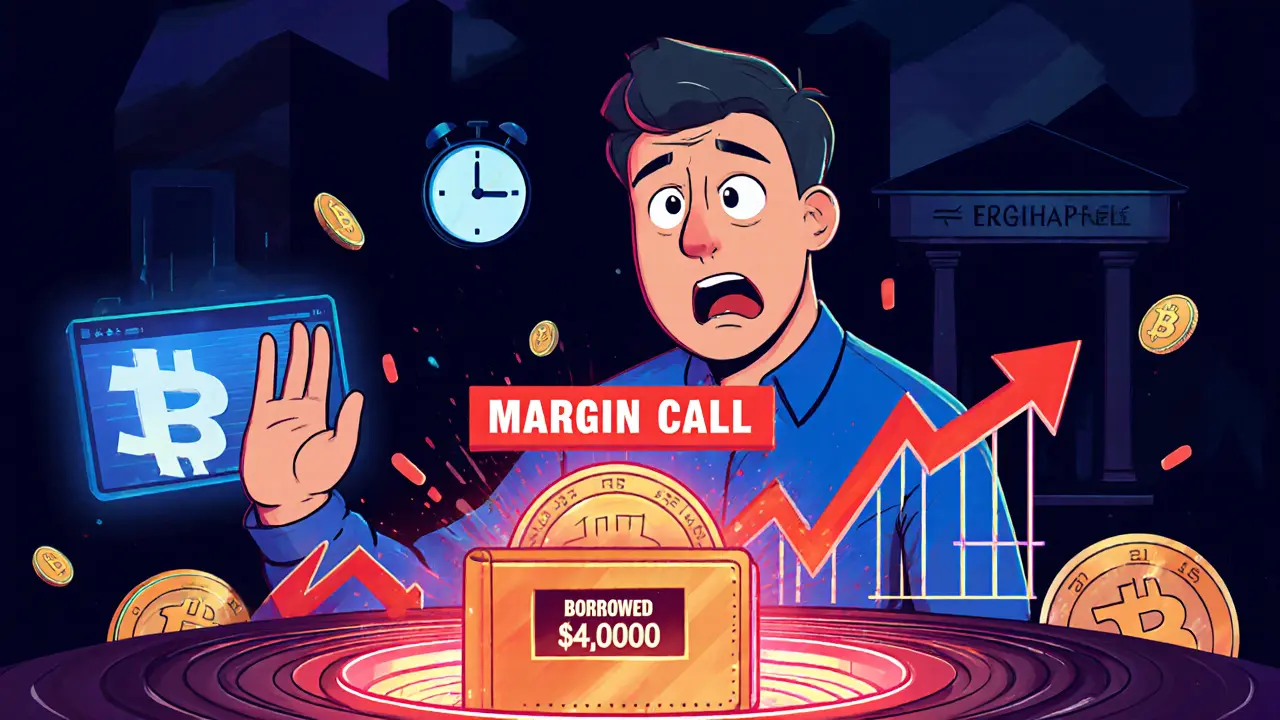
Margin Call and Liquidation Explained: How Leverage Risks Work in Crypto Trading
Margin calls and liquidation are critical risks in leveraged crypto trading. Learn how they work, why they happen, and how to avoid losing everything - even if you're new to trading with leverage.
Top News
-
Mexico Crypto Monitoring Regulations by CNBV: What You Need to Know in 2026 1.03.2026
-
Wealth Tax Treatment of Crypto in Switzerland: What You Need to Know in 2026 6.03.2026
-
Cryptal Crypto Exchange Review: Is It Right for You in 2026? 2.03.2026
-
MOT by Mobius Finance Airdrop: What Really Happened and Where to Buy MOT Today 4.03.2026
-
BunnySwap Crypto Exchange Review: A Niche DEX with Almost No Trading Volume 5.03.2026