Verify NFT: How to Confirm Authenticity and Avoid Scams
When you buy an NFT, a unique digital asset stored on a blockchain that proves ownership of art, collectibles, or other digital items. Also known as non-fungible token, it’s supposed to be a secure way to own something digital. But if you don’t verify NFT, you could end up with a worthless copy that looks real but has no official backing.
Verifying an NFT isn’t just about checking the image or the name. It’s about tracing the contract address, confirming the creator’s wallet, and seeing if the collection is listed on trusted marketplaces like OpenSea or Blur. Many fake NFTs copy popular projects like Bored Ape or CryptoPunks but use slightly altered names or fake verification badges. Scammers even create fake websites that look like the real thing—complete with fake support chats and fake minting buttons. You don’t need to be a coder to spot these. Just check the official project’s Twitter or Discord for the correct contract address. If a site asks you to connect your wallet before showing you the NFT, walk away. Real NFTs don’t need you to sign anything just to view them.
Another key part of verification is checking the blockchain NFT, the digital record that stores ownership history and metadata on a public ledger like Ethereum or Solana. Every legitimate NFT has a transaction history you can look up. Use a block explorer like Etherscan or Solana Explorer to see when the NFT was created, who minted it, and how many times it’s changed hands. If the first owner is a random wallet with no links to the official team, that’s a red flag. Also, check if the NFT collection has been audited. Many scams skip this step because audits cost money—and scammers don’t want to be held accountable.
Don’t forget the NFT scam, a fraudulent scheme designed to trick people into buying fake or worthless tokens by pretending they’re rare or endorsed. These aren’t rare. They’re everywhere. In 2023, over 80% of new NFT projects launched with no real utility and vanished within weeks. Some even fake endorsements—like pretending to be partnered with Nike or Starbucks. The only way to avoid them is to verify everything yourself. Look at the team’s history. Are they known in the space? Do they have real social media presence, or just bought followers? Check if the project has a live Discord with active members, not bots. If the project’s website looks like it was made in 2017, it’s probably a scam.
Even if an NFT looks legit, verify its marketplace listing. Some NFTs are copied and relisted on lesser-known platforms with fake low prices to lure buyers. Always go to the official marketplace first. If you’re told to buy on a site you’ve never heard of, it’s a trap. Real NFTs don’t need hype to move—they have clear ownership trails and verified creators.
What you’ll find below are real cases from people who lost money because they skipped verification. Some thought they bought a rare NFT. Others got locked into fake airdrops that stole their wallets. We’ll show you exactly how to check each step—no fluff, no guesses. You’ll learn how to spot the tiny details that separate real NFTs from scams, and how to protect your wallet before you ever click "Buy."
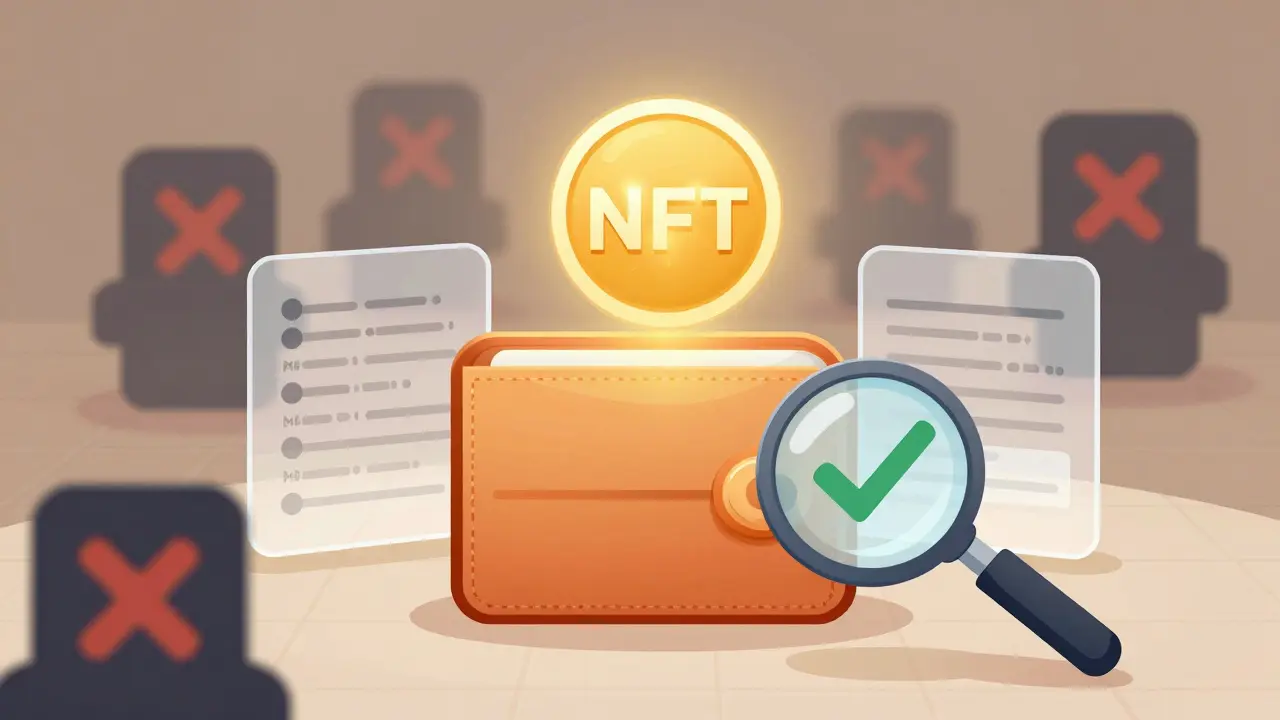
How to Verify NFT Ownership on Blockchain: A Step-by-Step Guide
Learn how to verify NFT ownership on the blockchain using Etherscan and other tools. Avoid scams, understand what you really own, and confirm your NFT is legitimate with step-by-step verification.
Top News
-
Mexico Crypto Monitoring Regulations by CNBV: What You Need to Know in 2026 1.03.2026
-
MOT by Mobius Finance Airdrop: What Really Happened and Where to Buy MOT Today 4.03.2026
-
BunnySwap Crypto Exchange Review: A Niche DEX with Almost No Trading Volume 5.03.2026
-
North Korean Crypto Sanctions and Sanctioned Wallet Addresses: How the Regime Funds Its Weapons with Stolen Digital Assets 3.03.2026
-
Cryptal Crypto Exchange Review: Is It Right for You in 2026? 2.03.2026