Understanding PVARA: Crypto Regulations & Restrictions in Pakistan

In the past nine months, the conversation around digital currency in Pakistan has shifted dramatically from uncertainty to structured governance. Before 2025, navigating the crypto market felt like walking through fog; you might have known the rules, but you couldn't see the path. That changed when President Asif Ali Zardari signed the Virtual Assets Regulatory Authority Ordinance on July 8, 2025. This legislative milestone birthed the PVARA, creating a dedicated body solely focused on managing the country's digital asset ecosystem.
Pakistan Virtual Assets Regulatory Authority (PVARA) is an independent governmental regulator established to oversee, license, and supervise all virtual asset activities within Pakistan. Unlike previous fragmented efforts, PVARA operates as the sole federal authority under the Virtual Assets Act 2025. Its mandate covers everything from licensing exchanges to ensuring compliance with global anti-money laundering standards.This move signals more than just administrative adjustment; it marks a strategic pivot for Pakistan. Instead of restricting the industry out of fear, the government chose to regulate it to unlock economic potential. For traders, investors, and business operators, understanding PVARA is no longer optional-it is the new reality for anyone holding or trading virtual assets in Pakistan.
The Shift from Skepticism to Supervision
To appreciate the current landscape, we need to understand what came before. For years, the State Bank of Pakistan (SBP) maintained a stance that cryptocurrencies were not recognized legal tender and fell outside the financial system. While this didn't mean an explicit ban for individuals, it created a vacuum where operating a business was risky and legally gray. Investors had no recourse if an exchange vanished, and the government lacked tools to prevent illicit finance flows without stifling legitimate innovation.
The creation of PVARA solved this paradox. By formally establishing a legal framework through the Virtual Assets Act, the state acknowledged that virtual assets exist and must be managed. Under Bilal bin Saqib, the minister of state for crypto and blockchain, the authority has taken charge. He stated clearly that this is an "invitation to the world's leading VASPs" to participate safely. This isn't just about stopping crime; it is about building infrastructure. Now, nearly a year later, the framework is moving from paper to practice.
Licensing and Operational Restrictions
The core function of PVARA is control through authorization. Previously, anyone could claim to run an exchange platform. Today, strict licensing requirements govern operations. If you intend to operate a Virtual Asset Service Provider (VASP) in Pakistan, you must obtain explicit authorization from PVARA before accepting even a single user deposit. Operating without this license is considered a violation of the 2025 Act.
The authority has divided oversight into clear categories. Not every company qualifies immediately. To ensure stability, PVARA requires firms to meet rigorous criteria regarding their technology, capital reserves, and security protocols. This prevents fly-by-night operators from setting up shop and taking investor money. Here is how the requirement structure breaks down:
| Aspect | Pre-2025 Status | Current PVARA Requirement |
|---|---|---|
| Legal Status | Unregulated / Gray Area | Federally Regulated Industry |
| Business License | None required technically | Mandatory PVARA Authorization |
| Compliance Standards | Vague guidelines | FATF Aligned AML/CFT Measures |
| Consumer Protection | No Recourse | Oversight and Audit Mechanisms |
These changes protect the average user. When a VASP applies, they submit an Expression of Interest (EoI). This document must detail their existing licenses in other jurisdictions, their revenue history, and their tech stack. PVARA limits eligibility primarily to firms that are already licensed by recognized international regulators. This filters out high-risk actors who haven't proven themselves elsewhere.
Impact on Retail Investors and Traders
If you are just buying Bitcoin or Ethereum for personal savings, does this affect you? Yes, but in different ways. Your ability to trade isn't restricted, provided you trade on a licensed platform. PVARA's goal is to legitimize the market so you aren't stuck with offshore exchanges that ignore your complaints. However, this means unlicensed platforms effectively lose access to the local banking system.
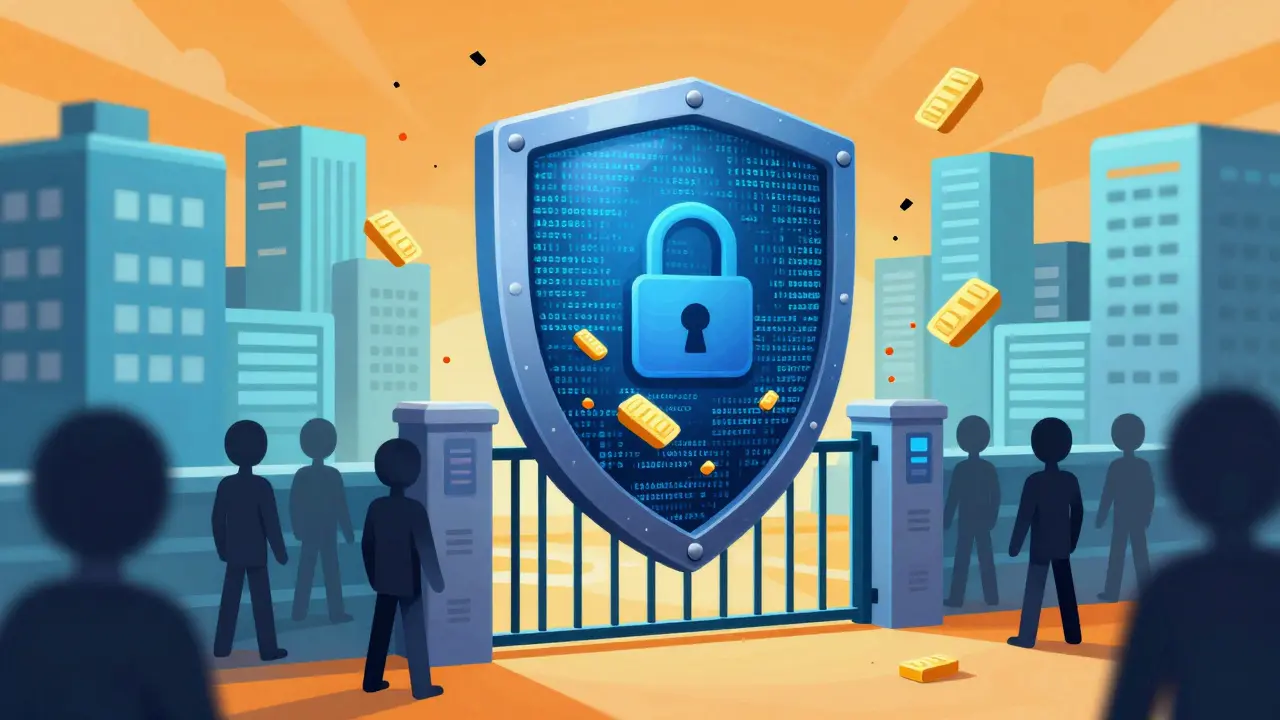
Previously, users could fund wallets via grey-market liquidity providers. Now, the focus shifts to formal gateways. PVARA collaborates with the Securities and Exchange Commission of Pakistan (SECP) and the Finance Ministry to align tax laws with these new regulations. This brings transparency to transactions. You might notice stricter Know Your Customer (KYC) checks, which align with Anti-Money Laundering (AML) standards mandated by the Financial Action Task Force (FATF).
Why do these checks matter? They stop illicit financing while allowing legitimate investment. Pakistan needs to prove to international partners like the IMF and World Bank that its digital economy is clean. Compliance ensures that Pakistani assets integrate with global markets rather than being isolated due to sanctions risks.
Alignment with Global Standards
The framework isn't built in isolation. PVARA studied successful models from the UAE's VARA, Singapore's MAS, and Europe's MiCA framework. This alignment helps attract foreign investment. If an exchange is comfortable operating in Dubai or Singapore, they now feel secure entering Pakistan because the rules mirror those regions.
Beyond private assets, the State Bank of Pakistan Governor Jameel Ahmad announced a parallel project: a Central Bank Digital Currency (CBDC). While PVARA handles private crypto, the SBP manages the national digital currency pilot. These two tracks run alongside each other-one for public innovation, one for monetary sovereignty. This dual approach shows that Pakistan treats digital finance seriously, viewing it as essential infrastructure for the future.
Navigating Compliance for Businesses
For fintech companies, the EoI process is the starting line. The authority looks for robust cybersecurity plans. In the past, hacks were common in the region because startups cut corners on security. PVARA mandates technical audits to ensure user funds aren't stored insecurely. If a business fails to maintain these standards, PVARA has the power to revoke the license. This disciplinary action capability creates accountability.
Furthermore, the authority facilitates regulatory sandboxes. Startups with new ideas-like tokenizing real estate or Islamic finance products-can test them under supervision before going public. This encourages Shariah-compliant innovation, a significant niche for Pakistan given its demographic context. It allows developers to experiment without risking full-scale regulatory breaches.

Frequently Asked Questions
Is cryptocurrency legal in Pakistan?
Yes, cryptocurrency is legal for holding and trading under the new regulatory framework established by PVARA in 2025. However, transactions must occur through authorized Virtual Asset Service Providers to comply with the Virtual Assets Act.
Who leads the PVARA authority?
Bilal bin Saqib, serving as the Minister of State for Crypto and Blockchain, chairs the authority and oversees the strategic initiatives for the digital asset sector.
Can I run a crypto exchange without a license?
No. Operating a Virtual Asset Service Provider without explicit authorization from PVARA is illegal under the Virtual Assets Act of 2025. Unlicensed operations face revocation and penalties.
How does PVARA protect investors?
PVARA enforces strict auditing, mandatory insurance coverage for exchanges, and KYC/AML compliance to minimize fraud risks and ensure consumer funds are handled securely.
What is the relationship between PVARA and the State Bank of Pakistan?
While PVARA regulates private virtual assets and exchanges, the State Bank of Pakistan focuses on monetary policy and the development of the official Central Bank Digital Currency (CBDC). Both coordinate on broader financial stability.
Are there restrictions on mining crypto?
Individual mining for personal use generally falls under permitted activity, but commercial mining facilities may require specific operational approvals depending on energy consumption and environmental impact regulations.
Next Steps for Market Participants
The regulatory environment is dynamic. Businesses must monitor updates from PVARA closely, as the sandbox programs evolve quickly. For individual investors, stick to top-tier platforms that display their PVARA license number prominently. If a platform hesitates to show this documentation, it is a major red flag indicating they might be operating illegally.
We are seeing the maturation of an entire sector that was previously invisible. With the establishment of the Pakistan Crypto Council (PCC) and the PDAA supporting PVARA, the government is signaling that this is long-term. Whether you are building software or simply saving in digital assets, clarity is finally here. The rules are set, and the path forward relies on mutual compliance between the regulator and the community.



gladys christine
wow this is such a big moment for everyone watching the region changes happening rapidly now
stay safe and trust your instincts going forward
Manisha Sharma
typical governement control move real money stays on street not regulated trash
they want to track everything u do anyway dont buy into teh hype cycle
Bruce Micciulla Agency
looking at the data this suggests that regulatory capture is imminent because when you see these kinds of structural shifts in emerging markets it usually means foreign capital wants entry points without accountability measures
furthermore the lack of privacy concerns in the act indicates prioritization of state interests over individual liberty rights
we must consider the long term implications of KYC enforcement on the anonymity principle of blockchain technology which fundamentally alters the value proposition
investors should be cautious about putting funds on platforms that comply too eagerly since they become easy targets for future scrutiny
the narrative of protection is merely a facade for taxation and monitoring capabilities that were previously restricted
history has shown us that centralized oversight inevitably leads to systemic fragility rather than resilience
trust in institutions has been broken repeatedly so why would anyone believe this time is any different from previous attempts
the focus on anti-money laundering standards creates a barrier to entry for smaller players who cannot afford compliance costs
this consolidates power into the hands of large corporations that already have global licenses
we are seeing a reduction in competition which ultimately harms the consumer through higher fees and less innovation options
the authority has broad powers to revoke licenses arbitrarily without due process protections
citizens lose sovereignty over their own financial decisions when third party approval is required for basic asset holding
the international alignment benefits foreign investors more than local retail traders who face stricter domestic controls
it creates a two tier system where wealthy entities operate legally while individuals get shut out completely
the economic argument ignores the loss of entrepreneurial drive caused by excessive bureaucratic hurdles and red tape requirements
June Coleman
oh great another regulator to keep us safe from ourselves how wonderful indeed
Emily 2231
surveillance state expansion disguised as protection citizens should beware digital footprint tracking
vijendra pal
this is game changer 🚀 finally legit blockhain future looks bright 💎🙌
Alexandra Lance
why does this matter to average joe they arent even listening just vibes 🌪️😐
Lauren Gilbert
We are witnessing a shift in paradigm. It feels like the fog is lifting slowly. Regulation brings clarity to chaos. Investors need to understand this change. History shows innovation often faces resistance. Eventually systems adapt to new realities. Pakistan is choosing a path forward. Global standards require strict adherence. Trust is built on transparency alone. Fear often drives bad decisions quickly. Knowledge empowers the average person today. Compliance protects the community from harm. We must wait and see how it unfolds fully. Patience remains the greatest virtue here. The digital economy demands maturity now.
Sonya Bowen
Adherence to the new framework ensures market stability and investor protection simultaneously.
Carol Prates
its scary how fast things change but we survive together honestly its wild
Joshua Aldrich
understand the fear of loosing access but rules help prevent scams now i hope people stay informed and carefull
alex rodea
good for people who want safe place to trade stuff
Susan Wright
just check the license number before you send any funds really helps avoid headaches later
Robert Coskrey
Indeed, the framework is robust; consequently, compliance becomes mandatory. Furthermore, the oversight is clear.
Suvoranjan Mukherjee
VASP alignment with FATF standards mitigates AML risks ensuring liquidity integrity across cross-border settlement layers
Taylor Meadows
people ignore the signs then complain when locked out why do we always learn the hard way