VPN Detection Risks for Crypto Traders in Iran: How to Stay Safe
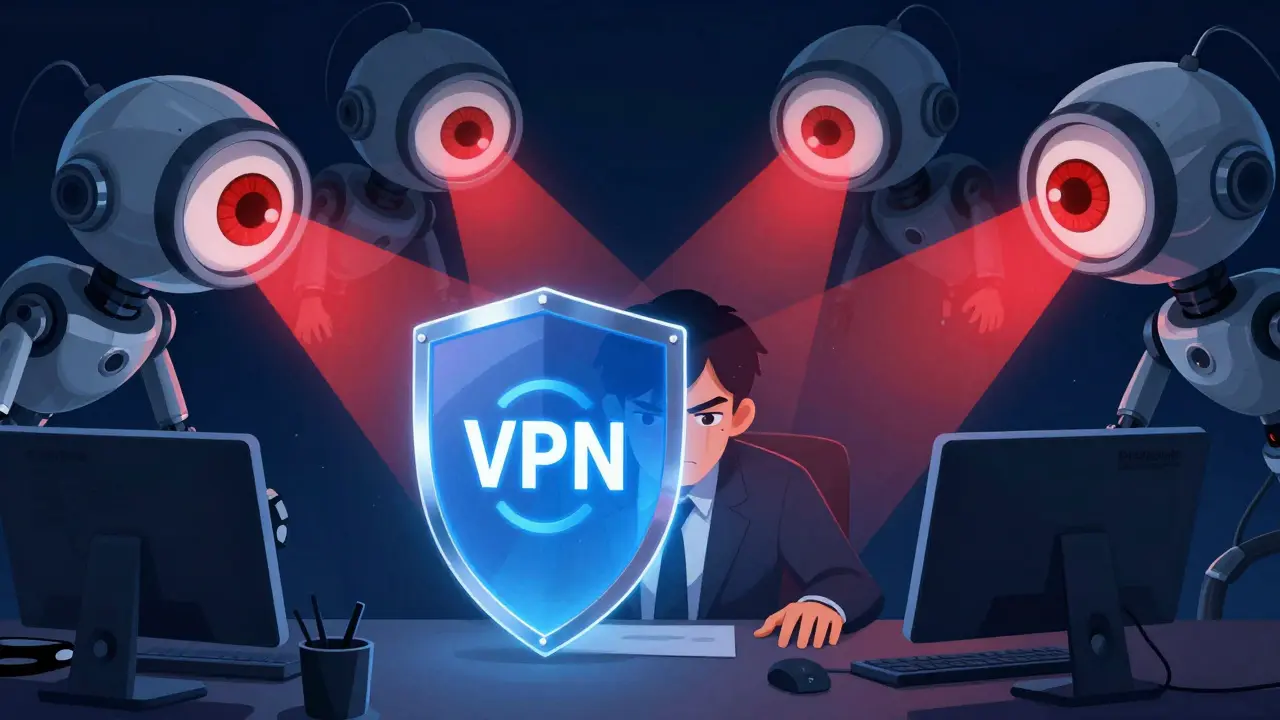
Trading crypto in Iran is basically a high-stakes game of hide-and-seek. For years, a VPN is a tool that masks a user's IP address by routing internet traffic through a server in another country allowing traders to bypass geoblocks and access global platforms. But the rules have changed. It's no longer just about hiding your location; it's about avoiding a digital footprint that can lead to frozen accounts or legal trouble.
The New Reality of Detection
If you think a simple VPN connection makes you invisible, you're playing a dangerous game. In late 2024, the landscape shifted when blockchain intelligence platforms launched bounty programs specifically targeting Nobitex, the largest cryptocurrency exchange operating in Iran. By identifying wallets linked to Iranian users, these firms gave international exchanges a roadmap to freeze accounts more effectively.
Detection isn't just about your IP address anymore. Exchanges now use VPN detection techniques that look at behavioral patterns. They analyze how you move your mouse, the timing of your trades, and where your funds are headed. If you're using a VPN but your transaction patterns match known Iranian trading clusters, you're a red flag. In fact, a huge portion of Iranian volume moves through the TRON network-over $2 billion of Nobitex's volume in 2025-which makes it incredibly easy for analytics firms to spot the "Iranian signature" on the blockchain.
Why Free VPNs Are a Trap
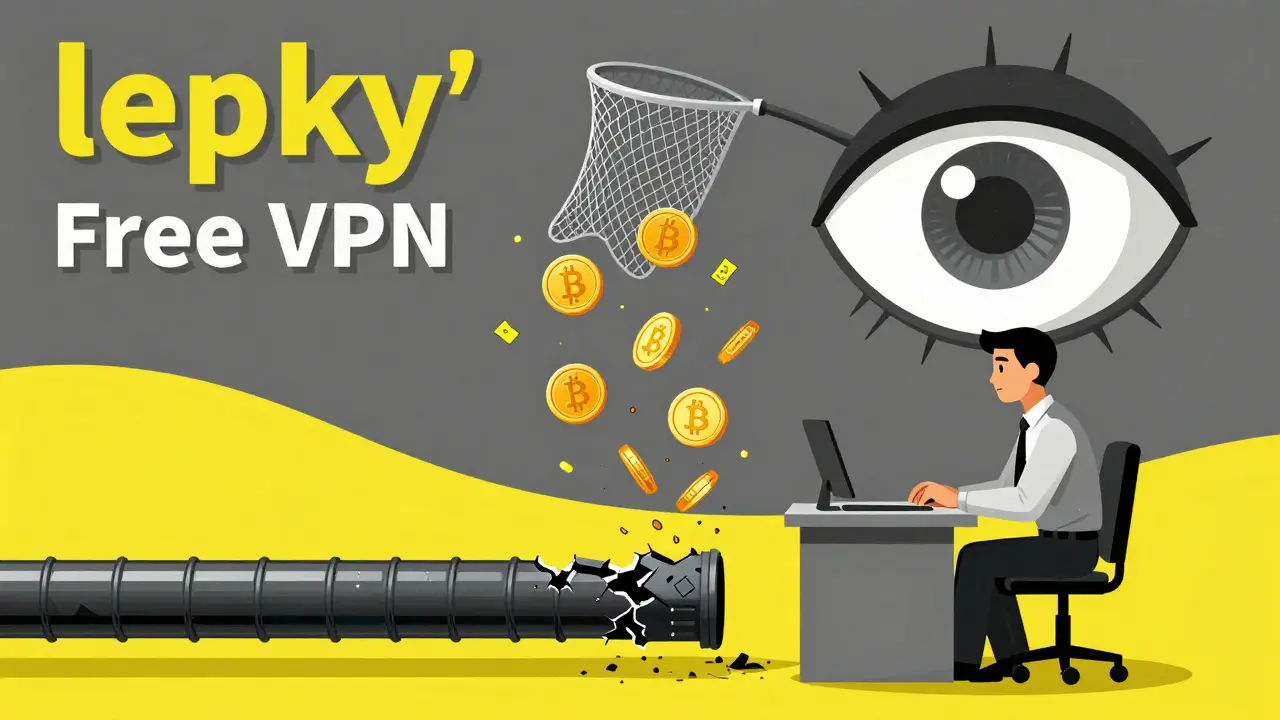
It's tempting to grab a free VPN, but for a crypto trader, this is a recipe for disaster. Free services often have "leaky" protocols. A common nightmare is the VPN drop: your connection flickers for a split second, and your real Iranian IP is blasted directly to the exchange's servers. This usually results in an immediate account suspension.
Beyond the technical failures, free VPNs often sell your data. If a service provider is selling logs to third parties, your identity is out there. Compare this to paid, reputable services that offer "kill switches"-a feature that cuts your internet entirely if the VPN drops, preventing your real IP from leaking.
| VPN Type | Detection Risk | Security Level | Common Outcome |
|---|---|---|---|
| Free VPNs | Very High | Low | IP leaks, account freezes |
| Standard Paid VPNs | Medium | High | Occasional flags, generally safe |
| Dedicated IP VPNs | Low | Very High | Consistent identity, fewer flags |
The Rise of the "Identity Package"
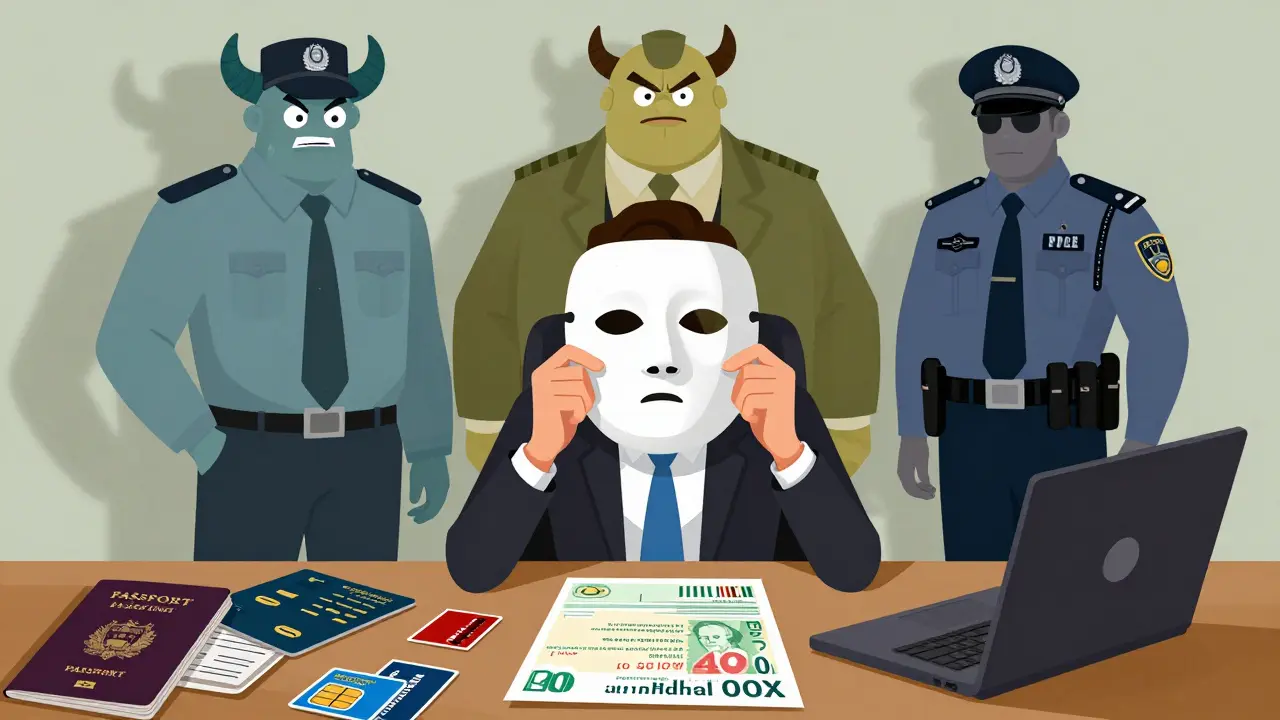
As KYC Know Your Customer protocols that require users to provide government-issued identification became stricter, VPNs alone weren't enough. This created a weird underground economy. Traders are now buying full identity circumvention packages. These aren't just software tools; they are complete digital personas including foreign IBANs, international SIM cards for OTP (One-Time Password) verification, and even fake residency documents.
This is a desperate move. When you use a fake identity, you're essentially trusting a stranger with your financial gateway. Yet, for many, it's the only way to avoid the crackdown. The pressure is real: in January 2025, over a million bank accounts tied to crypto activity were frozen by Iranian authorities.
The Regulatory Tightrope
Navigating the legal side is just as tricky as the technical side. You're dealing with three different monsters: the Central Bank of Iran, which hates domestic crypto payments; the Ministry of Energy, which controls who gets electricity for mining; and the FATA (Iran Cyber Police), who hunt down illegal operations.
This multi-agency approach means they aren't just looking at your browser. They can track electricity spikes in a neighborhood to find miners or monitor bank transfers to spot exchange deposits. The "gray area" is shrinking, and the tools used to detect you are becoming more integrated.
Lessons from the Binance Era
There was a time when things were easier. Back in 2019 and 2020, Binance was the go-to for Iranians because it didn't require identity verification for basic use. Internal messages from that time even joked about the popularity of "IRAN BOYS" on the platform. Traders simply turned on a VPN and started trading.
That ended in October 2021 when Binance hardened its anti-money laundering (AML) rules. Thousands of users who thought they were safe suddenly found themselves locked out. The lesson here is that no matter how "relaxed" a platform seems, they will eventually tighten the screws to satisfy international regulators. Relying on a platform's current lack of enforcement is a gamble you'll eventually lose.
How to Minimize Your Risk
If you're still trading, you need to change your habits. Stop treating the VPN as a "set it and forget it" tool. Use a dedicated IP if possible, so you aren't sharing an address with 500 other people-which is a huge red flag for exchange security systems.
Avoid large, round-number transfers that look like institutional movement; instead, break transactions into smaller, irregular amounts. Also, be wary of "crypto games" like Hamster Combat. While they seem like easy ways to earn, they often attract the same monitoring tools used by exchanges, potentially flagging your device fingerprint.
Can exchanges still detect me if I use a high-quality VPN?
Yes. Modern exchanges use device fingerprinting, which looks at your browser version, screen resolution, and system time. They also analyze the timing of your trades and the destination of your withdrawals. If your funds flow into a known Iranian-linked wallet, the VPN won't save you.
What happens if my VPN connection drops during a trade?
This is one of the highest risks. If the connection drops, your real IP address is instantly exposed to the exchange. Most platforms will automatically flag or freeze the account for a "security review" if they see an IP jump from, say, Germany to Tehran in one second.
Is Nobitex safe for Iranian traders?
It's complicated. While it's the biggest domestic option, recent security breaches and reports of warrantless surveillance have eroded trust. Since blockchain intelligence firms specifically target Nobitex for wallet identification, funds kept there are more visible to international monitors.
What is an identity circumvention package?
These are underground services that provide traders with a fake foreign identity, including a foreign bank account (IBAN), a SIM card for receiving SMS verification codes, and forged residency documents to pass KYC checks on international exchanges.
Why is the TRON network a risk for Iranian users?
Because such a massive volume of Iranian crypto activity (over $2 billion) flows through TRON, blockchain analytics companies have built highly accurate models to identify Iranian transaction patterns on this specific network.
Next Steps for Traders
If you're currently using a free VPN, move to a paid service with a kill switch immediately. If you're keeping all your assets on a single exchange, start diversifying into cold storage wallets to reduce the impact of a sudden account freeze.
Keep a close eye on the news regarding blockchain intelligence bounties. If a new "hit list" for Iranian wallets is published, it's time to move your funds. The goal isn't to be invisible-that's nearly impossible-but to be boring enough that you don't trigger an automated alarm.

Deepak Prusty
Using TRON is basically like leaving a neon sign pointing to your location because the cluster analysis on that network is too advanced for average users to bypass.
Matthew Wright
Dedicated IPs are definitely the way to go here... but I wonder if the exchanges are starting to flag those too if the IP range is known to be a VPN provider??
Alexandra Lance
Oh please, as if a "dedicated IP" is actually going to save you from the deep state surveillance algorithms 🙄 it's all just one big honeypot for the banks anyway 🤡
Hugo Lopez
It's really sad to see people having to buy fake identities just to move their own money. Hope everyone stays safe! 😊
Emma Pease-Byron
The notion that a kill switch provides absolute security is quaint, at best. Most users lack the technical literacy to even configure their DNS settings correctly, let alone manage a leak-proof environment.
alex rodea
Just use a cold wallet guys. Keep it simple.
Erica Mahmood
fingerprinting is the real killer here... canvas and webgl fingerprinting make vpn tunnels almost irrelevant since your hardware profile is unique across sessions
Manisha Sharma
This is why we shouldnt even rely on these western platforms... they think they can control the world but they dont understand the true essence of digital liberation in the east... it is just a cycle of power and greed lol
Diana Martín Prieto
If you are worried about the VPN drops, you might want to look into using a virtual machine with a dedicated OS for your trading and a separate one for browsing. It adds a layer of isolation that prevents your host machine's IP from leaking easily. Also, using a hardware security key for 2FA is way better than SMS since you don't need to worry about those risky international SIM cards. It's all about reducing the number of points where your real identity can be exposed. Be careful with the amounts you move and try to keep your patterns irregular as mentioned. Stay safe out there.
Taylor Meadows
I can feel the desperation in this post and it's honestly draining. Why are you all clinging to these fragile systems? You're just inviting more chaos into your lives by trying to cheat a system that is designed to eat you alive.
sekhar reddy
Omg the part about Hamster Combat is so funny!! 😂 I bet so many people got flagged just for clicking a hamster lol!! Total disaster!!
Earnest Mudzengi
This is textbook financial warfare. The AML/KYC stack is just a front for the globalist surveillance state to map out every single node of resistance. They're using heuristics and behavioral analytics to create a digital panopticon. If you aren't using a multi-hop Tor circuit with a bridge, you're basically begging to be doxxed by the FATA. Total systemic collapse is coming and these exchange freezes are just the opening act of the great reset.
Patty Levino
It sounds really stressful to deal with all this. Maybe try focusing on decentralized exchanges where you have more control over your assets.
Suzanne Robitaille
There is something profoundly tragic about the way we've turned financial freedom into a game of shadows. We seek liberty in the code, yet we find ourselves trapped in a web of fake names and stolen identities. It is a dance of ghosts!
Trish Swanson
The TRON thing is wild...!! Seriously...!! Why so much volume there??
Siddharth Bhandari
The mention of Nobitex is critical. Many ignore the risk of centralized domestic entities that have direct pipelines to state intelligence. Diversification into non-custodial wallets is not just a suggestion, it is a necessity for survival.
Sharhonda Walker
Hope this helps someon!! Just make sure you check if your VPN has a leak test page in the setings, some of them hide the leaks untill its too late
Arwyn Keast
Typical amateur hour. Using a VPN is like bringing a knife to a drone fight. If the blockchain intelligence tools have already mapped the clusters, your IP is the least of your worries. Absolute shambles.
Susan Wright
I've seen a few people get their accounts locked because they forgot to turn on the VPN for one single login attempt. It only takes one mistake.
Evan Borisoff
The integration of the Ministry of Energy with digital tracking is an absolute affront to the principles of a free market, as we are seeing a systemic weaponization of infrastructure to enforce geopolitical sanctions that essentially punish the individual trader rather than the regime they are trying to escape. The sheer scale of the AML framework implemented by the G7 makes any attempt at "stealth" trading almost a mathematical impossibility unless one is operating on a level of opsec that is virtually unattainable for the average person without specialized hardware and a completely air-gapped environment.
Krystal Moore
Imagine trusting a stranger with your whole financial life just for a fake IBAN. That's literally the most dangerous thing I've ever heard. You're basically handing your money to a scammer on a silver platter!
gladys christine
Oh my gosh this is so scary... I cannot believe people have to go through this just to trade some coins!! Sending love to everyone struggling with this!!
Brooke Herold
The shift in 2021 with Binance really highlighted how global platforms eventually align with the strictest regulations regardless of their early promises.
akash temgire
The operational risk remains high. The use of identity packages is an unsustainable strategy.
Carol Prates
Honestly, the whole thing is just a massive mess. One day you're a "Binance Boy" and the next you're locked out of your own money because some algorithm decided your mouse movements look Iranian. I love how everything in crypto eventually ends in a total disaster for the little guy!