What is lisUSD? A Guide to Lista DAO's BNB Stablecoin

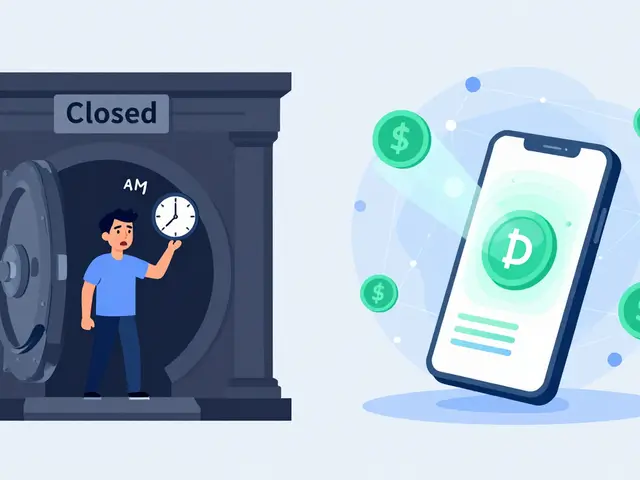
Imagine you’re holding a bag of BNB. You love the coin, you believe in its future, but you also need cash right now to pay rent or buy groceries. Selling your BNB triggers taxes and means you might miss out if the price rockets next week. This is the classic "lock-up problem" in crypto. Enter lisUSD, a decentralized stablecoin designed specifically to solve this dilemma for users on the BNB Chain. It lets you borrow dollars against your crypto without selling it, keeping your exposure while giving you liquidity.
But what exactly is lisUSD? It’s not just another digital dollar. It’s an overcollateralized asset managed by Lista DAO, a protocol that received significant backing from Binance Labs. Unlike centralized coins like USDT, which rely on bank accounts you have to trust, lisUSD lives entirely on-chain. You lock up crypto, mint lisUSD, and use it freely. If you want to understand how this works, why it matters for BNB holders, and whether it fits into your portfolio, keep reading. We’ll break down the mechanics, the risks, and the real-world benefits.
The Core Mechanism: How lisUSD Works
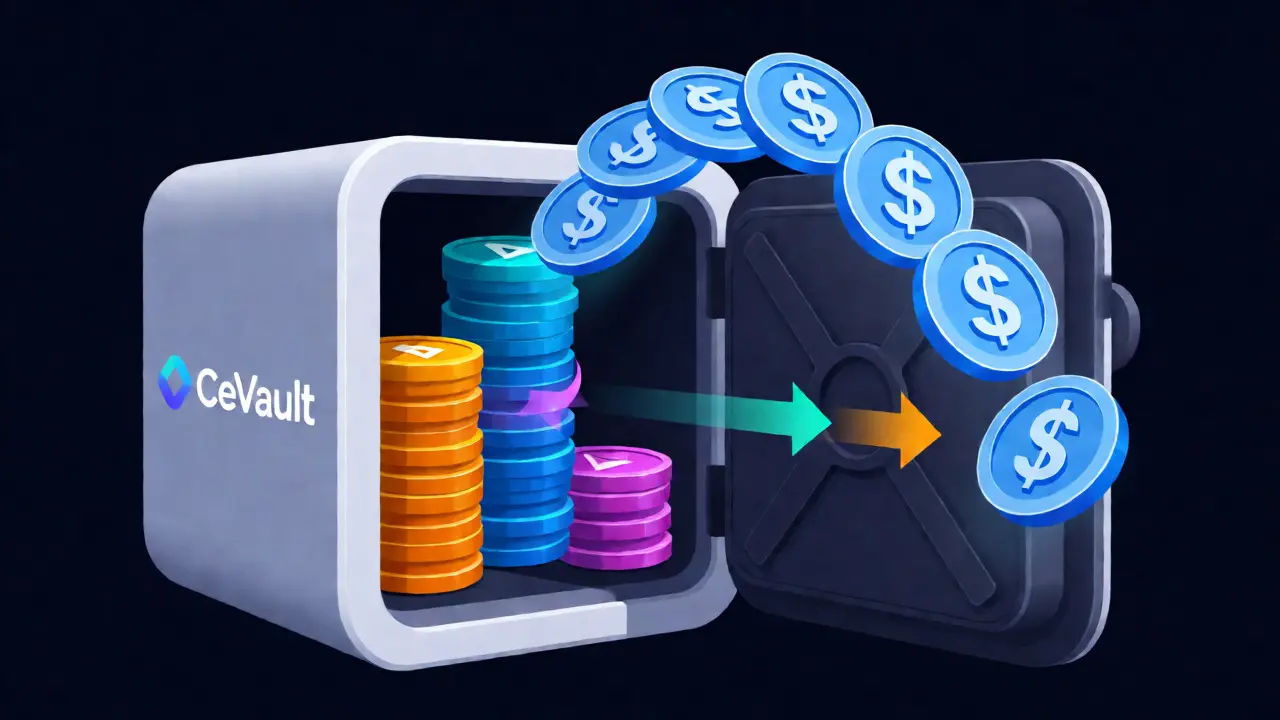
At its heart, lisUSD operates on a Collateralized Debt Position (CDP) model, similar to MakerDAO’s DAI but optimized for the BNB ecosystem. Here is the simple flow: you deposit supported assets into a smart contract vault called the CeVault. In return, you can mint lisUSD. The key rule? You must deposit more value than you borrow. This is called overcollateralization.
For example, if you want to mint $100 worth of lisUSD, you might need to deposit $150 worth of BNB. That extra $50 acts as a safety buffer. If the price of BNB crashes, that buffer absorbs the loss so the system doesn’t run out of money. According to Lista Docs, collateralization ratios typically range between 110% and 150%, depending on the asset type. BNB usually requires a higher ratio, around 150%, because it’s more volatile than stablecoins.
| Asset Type | Min. Collateral Ratio | Liquidation Penalty | Borrowing Rate |
|---|---|---|---|
| BNB | 150% | 5% | Variable |
| ETH | 140% | 5% | Variable |
| Stablecoins | 110% | Low | Low |
| slisBNB | 120% | Low | 0% |
This structure ensures that every single lisUSD in circulation is backed by actual crypto assets locked in smart contracts. No bank reserves, no IOUs. Just code and collateral.
Why Choose lisUSD Over Centralized Stablecoins?
You might ask, "Why not just hold USDC or USDT?" Fair question. Those are easier to get, sure. But they come with centralization risk. Tether and Circle control the supply, freeze addresses, and operate off-chain banks. If a regulatory hammer falls, your funds could be affected instantly.
lisUSD offers transparency and censorship resistance. Because it’s fully on-chain, anyone can verify the collateral backing at any time using blockchain explorers. Plus, it unlocks unique opportunities within the BNB ecosystem. For instance, you can use slisBNB (a liquid staking token) as collateral. This means you earn staking rewards on your BNB while simultaneously borrowing lisUSD at a 0% interest rate. Try doing that with USDC.
Data from Nansen suggests that lisUSD provides significantly higher capital efficiency than traditional models on Ethereum due to lower gas fees on BNB Chain. While USDC yields often hover around 1-2% in safe protocols, lisUSD strategies combined with staking rewards can push annual percentage yields (APY) to 5-7%. That’s real money for simply managing your position well.
The Risks: What Can Go Wrong?
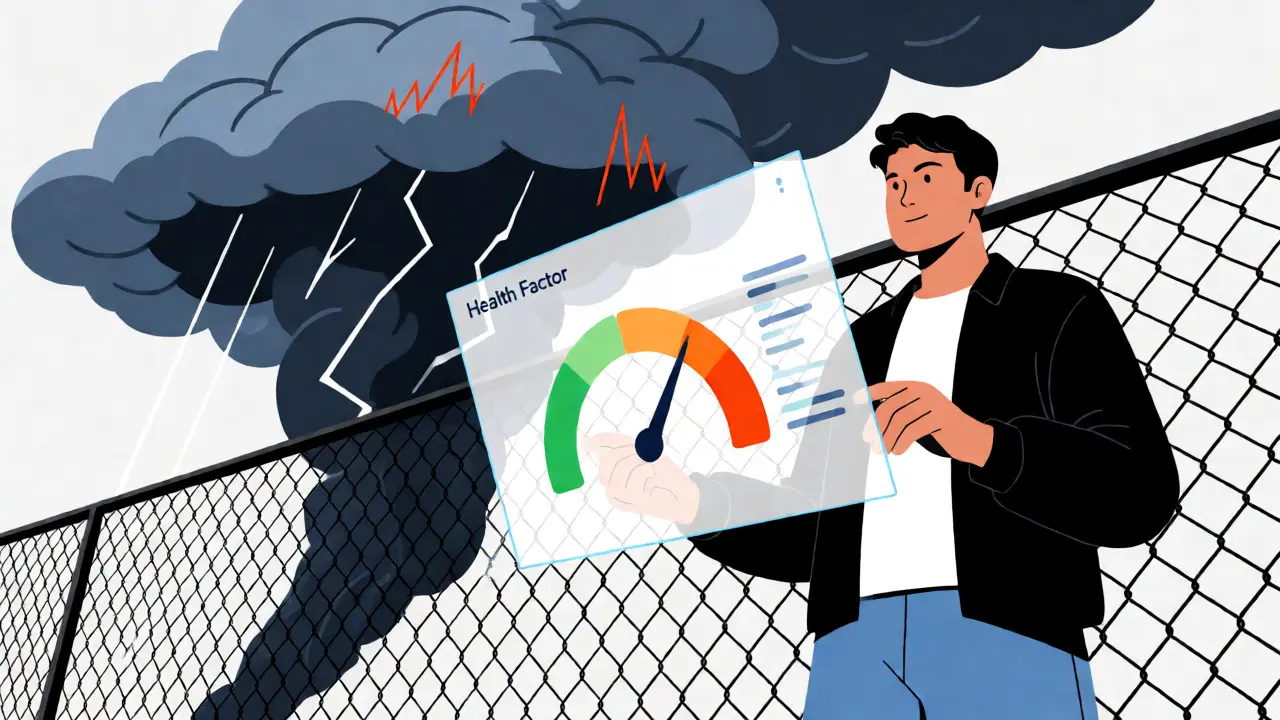
No financial tool is perfect, and lisUSD has specific risks you need to respect. The biggest one is liquidation. Remember that safety buffer? If the price of your collateral drops too fast, your collateralization ratio falls below the minimum threshold. When that happens, the protocol automatically sells part of your collateral to repay the debt. You lose your assets, and you pay a penalty.
In August 2023, BNB experienced a 25% single-day swing. During that volatility, nearly 17% of lisUSD positions approached liquidation thresholds. If you weren’t watching your screen, you might have lost money. Another risk is ecosystem concentration. lisUSD lives primarily on BNB Chain. If BNB Chain faces technical issues or regulatory hurdles, lisUSD feels the pain directly. It doesn’t have the multi-chain ubiquity of USDT, which runs on over 15 blockchains.
There’s also oracle risk. The protocol relies on price feeds to know when to liquidate. If the oracle lags during extreme market moves, you could face unexpected liquidations. Security audits by firms like PeckShield and CertiK have hardened the code, but smart contract bugs remain a theoretical possibility in DeFi.
Who Is Using lisUSD?
lisUSD isn’t really for the absolute beginner who wants to buy Bitcoin and forget about it. It’s for intermediate to advanced DeFi users. Surveys show that over 80% of lisUSD users have two or more years of experience in decentralized finance. They understand concepts like impermanent loss, APY, and leverage.
A typical user profile looks like this: Someone holding $28,500 in crypto assets, mostly BNB or ETH. They want to access liquidity for trading or paying bills without triggering taxable events. They are comfortable connecting a Web3 wallet, monitoring their health factor, and topping up collateral when needed. Geographic data shows strong adoption in Southeast Asia and North America, where crypto tax laws make selling assets expensive.
User feedback highlights the seamless integration with Binance Launchpool. By using clisBNB as collateral, users can farm new tokens while maintaining their lisUSD debt position. One Reddit user reported earning 7.2% APY through this combo, a yield hard to find elsewhere. However, beginners often complain about the learning curve. It takes most people 3-5 hours to truly understand how to manage a CDP safely.
How to Get Started with lisUSD
If you’re ready to try it, here’s the practical path. First, ensure you have some BNB in your wallet for gas fees. Transactions cost roughly 0.0005 BNB, which is cheap compared to Ethereum. Next, connect your wallet (like MetaMask or Trust Wallet) to the Lista DAO interface.
- Select Collateral: Choose the asset you want to deposit. BNB is the most common, but check current rates for ETH or stablecoins.
- Deposit Assets: Send your chosen crypto to the CeVault. Confirm the transaction on-chain.
- Mint lisUSD: Specify how much lisUSD you want to borrow. Keep your Health Factor above 150% to stay safe.
- Monitor: Use tools like DeBank to track your position. Set alerts if your ratio drops below 160%.
Pro tip: Start small. Mint only 50% of your maximum capacity initially. This gives you room to maneuver if the market dips. Once you’re comfortable, you can optimize for yield by using slisBNB collateral to eliminate borrowing costs.
The Future of lisUSD
Lista DAO isn’t resting on its laurels. The roadmap includes cross-chain expansion to Ethereum and Polygon, aiming to reduce the single-chain dependency. There’s also talk of a credit delegation system, allowing institutional players to lend lisUSD more efficiently.
Analysts predict lisUSD could capture 15-20% of the BNB Chain stablecoin market within 18 months. That would put it in direct competition with native USDT and USDC versions on the chain. The backing from Binance Labs gives it credibility, but execution is everything. Maintaining stability during the next bear market will be the true test of its resilience.
Is lisUSD pegged to the US Dollar?
Yes, lisUSD is a stablecoin designed to maintain a 1:1 peg with the US Dollar. It achieves this stability through overcollateralization rather than fiat reserves, meaning every lisUSD is backed by more than $1 worth of crypto assets locked in smart contracts.
Can I lose my collateral with lisUSD?
Yes, if the value of your collateral drops significantly and your collateralization ratio falls below the required minimum, the protocol will automatically liquidate part of your collateral to cover the debt. You will also incur a liquidation penalty, typically around 5%.
Which blockchain does lisUSD run on?
lisUSD primarily operates on the BNB Smart Chain (BSC). This allows for low transaction fees and fast settlement times. While there are plans for cross-chain expansion, the core functionality and liquidity currently reside on BSC.
How is lisUSD different from USDT?
USDT is a centralized stablecoin issued by Tether Limited, backed by off-chain reserves. lisUSD is decentralized, issued by Lista DAO, and backed by on-chain crypto collateral via smart contracts. lisUSD offers greater transparency and composability within DeFi but carries liquidation risks that USDT does not.
Do I pay interest to borrow lisUSD?
It depends on the collateral type. Borrowing against standard assets like BNB or ETH usually incurs a variable interest rate. However, using specific liquid staking derivatives like slisBNB as collateral can allow you to borrow lisUSD at a 0% interest rate, making it highly efficient for yield farmers.