Woof Finance Crypto Exchange Review: Legit Platform or Dogecoin Meme?
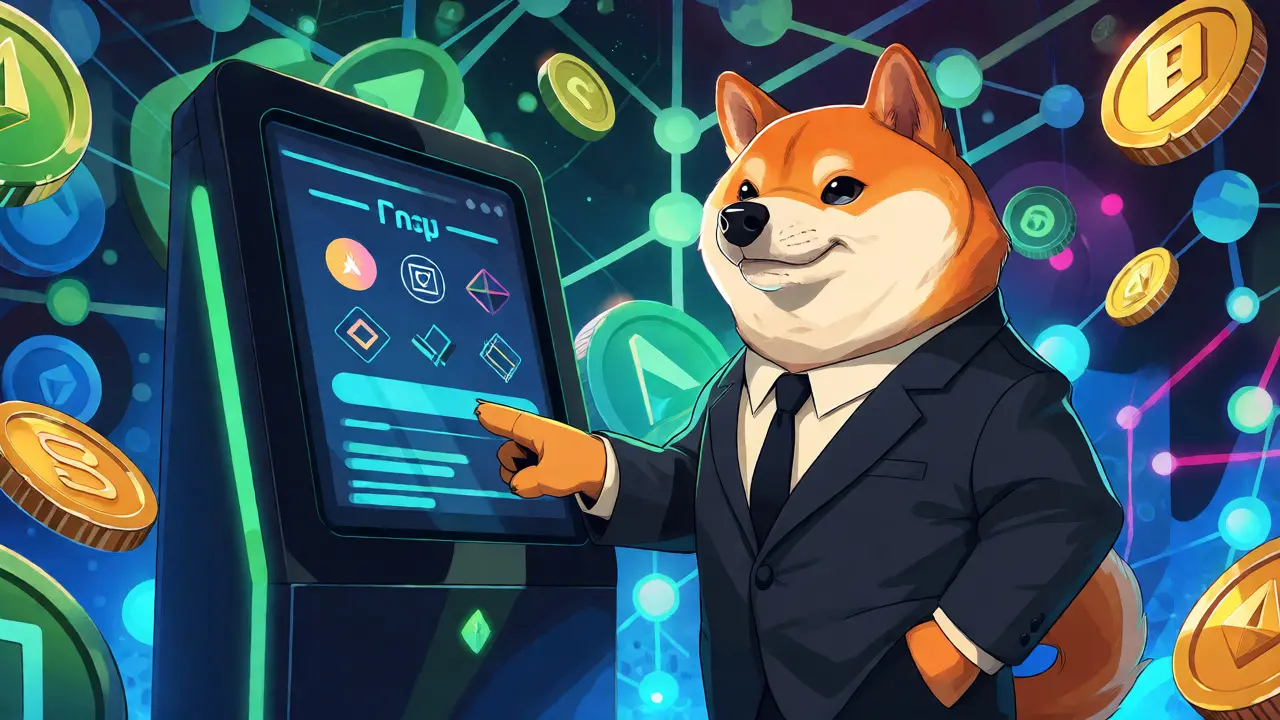
You clicked on this title because you probably saw the name "Woof Finance" and wondered if it was the next big thing in decentralized finance (DeFi) or just another meme coin project trying to ride the Dogecoin wave. Here is the hard truth upfront: Woof Finance is not a traditional centralized crypto exchange like Binance or Coinbase. It does not have a trading desk where you deposit fiat currency and trade stocks-like pairs with order books. Instead, it is a decentralized protocol focused on swapping tokens, specifically within the Dogecoin ecosystem.
If you are looking for a place to buy Bitcoin with your credit card and hold it securely in cold storage, Woof Finance might confuse you. But if you are deep into the world of cross-chain swaps and want to move assets between Ethereum and Dogecoin without touching a centralized bank account, this platform has a specific niche role. This review breaks down exactly what Woof Finance does, how its fees work, the security risks involved, and whether it deserves a spot in your DeFi portfolio in late 2026.
What Exactly Is Woof Finance?
To understand Woof Finance, you first need to separate it from the general noise of "crypto exchanges." Most people use that term to describe platforms like Kraken or Bitget, which act as banks for digital assets. Woof Finance operates differently. It is built on blockchain technology, allowing users to swap tokens directly from their own wallets. Think of it less like a stockbroker and more like a highly specialized currency kiosk at an airport, but one that only deals in specific digital currencies.
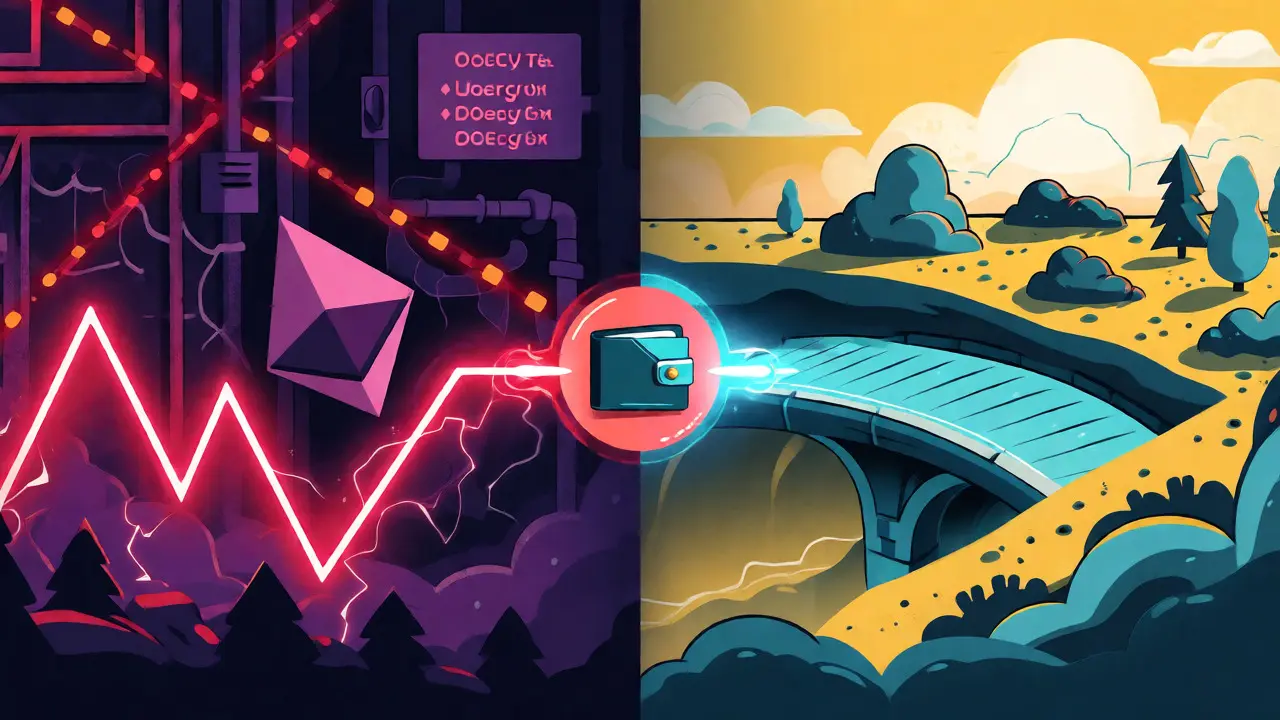
The core function of Woof Finance is to facilitate atomic swaps between different blockchains, particularly focusing on bridging the gap between Ethereum-based tokens and the Dogecoin network. This is crucial because Dogecoin runs on its own blockchain, separate from Ethereum's smart contract capabilities. Without a bridge or swap service, moving value from a complex DeFi position on Ethereum back to pure Dogecoin can be messy and expensive.
The platform gained traction by tapping into the massive community surrounding Dogecoin. While many projects tried to build generic DeFi protocols, Woof Finance leaned into the meme culture. They created a user interface that feels familiar to crypto natives but simplified enough for casual traders who just want to convert their gains. However, do not mistake simplicity for lack of technical depth. The underlying smart contracts handle complex liquidity pools to ensure that when you swap DOGE for ETH, or vice versa, the price doesn't slip too drastically due to low volume.
Key Features and User Experience
When you open the Woof Finance dApp (decentralized application), the interface is surprisingly clean compared to other DeFi protocols that often look like spaghetti code. You connect your wallet-usually MetaMask or Trust Wallet-and select the tokens you want to swap. The process is straightforward: choose input token, choose output token, approve the transaction, and sign. That's it.
One standout feature is their focus on cross-chain interoperability. Unlike standard automated market makers (AMMs) like Uniswap, which primarily operate within one chain (like Ethereum mainnet), Woof Finance integrates bridges that allow movement across chains. This means you aren't stuck holding wrapped versions of coins that lose their native utility. For example, if you hold SHIB (Shiba Inu) on Ethereum, you can potentially swap it into a format usable on the Dogecoin chain through their routing mechanisms.
However, the user experience has limitations. There is no advanced charting tool built into the platform. If you are a day trader wanting to see RSI indicators or Fibonacci retracements while you swap, you will need to keep TradingView open in another tab. Woof Finance is strictly a execution layer, not an analysis layer. Also, mobile responsiveness can be hit-or-miss depending on which browser you use inside your wallet app. On iOS Safari via MetaMask, transactions sometimes hang during the approval phase, requiring a refresh.
Fees, Slippage, and Hidden Costs
Let's talk money. When you use any DeFi platform, you pay two types of fees: network gas fees and protocol fees. Woof Finance charges a protocol fee, typically around 0.3% to 0.5% per swap, which goes to liquidity providers and the treasury. This is competitive with major AMMs. However, the real cost comes from gas fees.
Because Woof Finance interacts with multiple blockchains, you might end up paying gas fees on Ethereum, BSC, or even Dogecoin itself. During periods of high network congestion, such as when a new meme coin launches and everyone rushes to buy, Ethereum gas fees can spike to $20-$50 per transaction. If you are swapping small amounts, say $100 worth of DOGE, a $20 gas fee eats up 20% of your capital instantly. This makes Woof Finance better suited for larger trades where the percentage impact of gas fees is minimized.
| Swap Amount | Estimated Gas Fee (Ethereum) | Protocol Fee (0.4%) | Total Cost % |
|---|---|---|---|
| $100 | $15.00 | $0.40 | 15.4% |
| $1,000 | $15.00 | $4.00 | 1.9% |
| $10,000 | $15.00 | $40.00 | 0.55% |
As you can see, the economics change drastically based on trade size. If you are a whale moving significant capital, Woof Finance becomes efficient. If you are a beginner testing the waters with pocket change, centralized exchanges with lower minimums and flat fees might serve you better until you build up volume.
Security Risks and Scam Potential
In the crypto world, security is paramount. Woof Finance, being a decentralized protocol, relies on smart contract audits. The team claims to have undergone audits by reputable firms, but you should always verify the latest audit reports yourself before connecting your main wallet. Smart contract bugs are the number one killer of DeFi funds. If there is a vulnerability in the swap logic, hackers can drain the liquidity pools.
Another risk factor is the nature of the tokens traded. Because Woof Finance lists many smaller, meme-based cryptocurrencies, these assets are inherently volatile. A token could drop 50% in value while your transaction is pending on the blockchain. This is known as slippage. You must set your slippage tolerance carefully. If you set it too low, your transaction fails. If you set it too high, you might get a bad rate.
Is Woof Finance a scam? No, it is a legitimate project with active development. However, "legitimate" does not mean "risk-free." Many users confuse the WOOF token (the governance token of the platform) with the platform itself. Buying the WOOF token is a speculative investment in the future success of the protocol. Using the platform to swap DOGE is a functional utility. Do not mix these up. Some scammers create fake websites that look identical to Woof Finance to steal private keys. Always check the URL. The official domain usually ends in .com or .io, but phishing sites might use hyphens or extra words.
Comparison with Major Competitors
How does Woof Finance stack up against the giants? Let's compare it to Uniswap, PancakeSwap, and a centralized exchange like Binance.
- Uniswap: The king of Ethereum DeFi. Uniswap has deeper liquidity for ETH-based pairs but lacks native support for Dogecoin swaps. You would need to wrap DOGE first, adding complexity.
- PancakeSwap: Runs on Binance Smart Chain (BSC). Fees are much lower than Ethereum, but it also lacks direct native Dogecoin integration without bridges.
- Binance: Centralized. Easy to use, supports fiat deposits, but you don't control your keys. If Binance freezes your account, you wait. Woof Finance gives you full custody.
Woof Finance fills the gap for users who want self-custody and direct Dogecoin exposure. It is a niche player. If you don't care about Dogecoin, you probably don't need Woof Finance. If you live and breathe memes and cross-chain arbitrage, it is a valuable tool.
Who Should Use Woof Finance?
This platform is best for intermediate to advanced crypto users. Beginners might find the concept of gas fees, slippage, and wallet approvals overwhelming. If you have never used a DEX (Decentralized Exchange) before, start with a stablecoin swap on a simpler platform to learn the ropes.
For experienced traders, Woof Finance offers a way to exit meme positions quickly without sending funds to a centralized exchange and waiting for KYC (Know Your Customer) verification. In times of market panic, when centralized exchanges halt withdrawals, having a DEX route like Woof Finance allows you to rotate into stablecoins or other assets immediately.
Ultimately, Woof Finance is not a replacement for your primary exchange. It is a specialized tool in your crypto toolbox. Treat it with caution, test with small amounts first, and always keep your private keys secure. The name sounds playful, but the mechanics of DeFi are serious business.
Is Woof Finance a safe platform to use?
Woof Finance is considered a legitimate decentralized protocol, but safety depends on your actions. Always verify the correct URL to avoid phishing sites, connect a burner wallet for initial tests, and ensure you understand the smart contract risks. Never share your seed phrase with anyone.
Can I buy Bitcoin directly on Woof Finance?
No, Woof Finance does not accept fiat currency (like USD or NZD) directly. You must already hold cryptocurrency in your wallet to perform swaps. It is designed for crypto-to-crypto exchanges, primarily focusing on tokens related to the Dogecoin ecosystem.
What are the fees associated with Woof Finance?
You pay a protocol fee, typically between 0.3% and 0.5%, plus network gas fees. Gas fees vary significantly based on blockchain congestion. On Ethereum, fees can be high; on other supported chains, they may be lower. Always check current gas prices before executing large trades.
Does Woof Finance require KYC verification?
No, as a decentralized exchange, Woof Finance does not require Know Your Customer (KYC) identity verification. You interact with the platform using your crypto wallet address, maintaining anonymity and privacy.
What happens if my transaction gets stuck?
Transactions can get stuck due to low gas fees or network congestion. You can usually speed up the transaction by replacing it with a higher gas fee using your wallet provider's options. If it remains pending for too long, you may need to cancel it and retry with adjusted settings.