C-Trade Crypto Exchange Review: Fees, Pros & Cons
Most crypto exchanges charge you to trade. Some even hide fees in the spread or add extra costs when you withdraw your funds. C-Trade is a cryptocurrency exchange platform that uses a unique fee structure designed to pay traders for adding liquidity. If you are an active trader who places limit orders, this platform might save you money. But if you just click "buy" at market price, you might pay more than average. This review breaks down exactly how those fees work and whether C-Trade fits your trading style.
How C-Trade’s Fee Structure Works
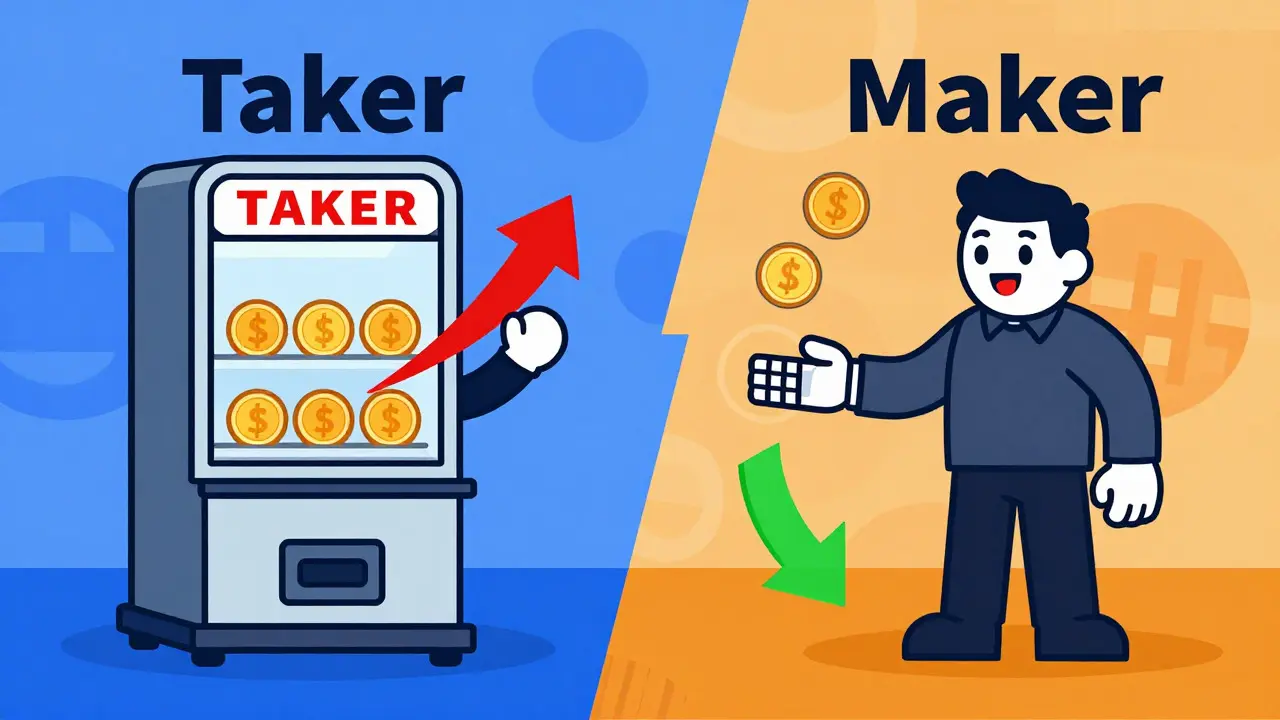
The core of C-Trade's business model is its maker-taker fee system. In simple terms, a "maker" adds an order to the book (like a limit order), while a "taker" removes an order from the book (like a market order). Most exchanges charge both sides a fee. C-Trade does something different: it pays makers.
- Taker Fee: 0.075% per order. This is what you pay if you execute a trade immediately against existing liquidity.
- Maker Fee: -0.025% per order. This is a rebate. You get paid for placing limit orders that sit on the order book.
Let's look at the math. If you buy $1,000 worth of Bitcoin as a maker, you don't pay a fee. Instead, you receive a 0.025% rebate. That means you effectively pay $997.50 for $1,000 worth of assets. It sounds small, but for high-volume traders, these rebates add up quickly. For context, the global average maker fee is usually positive, around 0.0215%. C-Trade flips this script entirely by offering a negative fee, which is a strong incentive for professional market makers and algorithmic traders.
Comparing C-Trade Fees to Industry Standards
Is 0.075% for takers expensive? To answer that, we need to compare it to the rest of the market. According to recent industry data, the global average taker fee sits at approximately 0.0591%. This puts C-Trade about 27% higher than the average for taking liquidity. If you are a casual retail trader who mostly uses market orders, you will notice this difference. You are paying a premium for immediate execution.
However, the picture changes if you use limit orders. The industry average maker fee is typically a small positive number. By offering a negative fee, C-Trade creates a significant cost advantage for anyone providing liquidity. This strategy suggests that C-Trade is targeting sophisticated users who can manage their own execution strategies rather than relying on one-click market buys.
| Fee Type | C-Trade Rate | Global Industry Average | Difference |
|---|---|---|---|
| Taker Fee | 0.075% | 0.0591% | +27% Higher |
| Maker Fee | -0.025% | 0.0215% | Rebate vs. Cost |
Withdrawal Costs: A Hidden Benefit
Trading fees are only part of the story. Many exchanges offset low trading fees with high withdrawal charges. C-Trade takes a cleaner approach here. They do not add an exchange-imposed fee on top of blockchain network costs. You only pay what the network requires to process the transaction.
This matters because network fees fluctuate daily. For Bitcoin, the industry standard often includes a buffer, averaging around 0.00053 BTC per withdrawal. Since C-Trade passes through only the actual network cost, your withdrawal fees are generally lower than the industry benchmark during periods of low network congestion. This policy prevents the common frustration where you trade cheaply but lose money getting your assets out of the platform. It is a consumer-friendly move that builds trust, especially for users who frequently move funds between wallets.
Who Should Use C-Trade?
Not every trader benefits from this specific setup. C-Trade is best suited for two types of users:
- Active Limit Order Traders: If you spend time placing stop-losses, take-profits, or entry limits, the maker rebate reduces your effective cost per trade. Over hundreds of trades, the savings become significant.
- Algorithmic and High-Frequency Traders: Automated strategies that provide liquidity can turn the negative maker fee into a revenue stream. These traders are already optimizing for speed and precision, making C-Trade's structure highly compatible with their workflow.
On the other hand, casual investors who buy and hold may find the taker fee less appealing. If you primarily use market orders to enter positions, you are paying above the industry average. Additionally, because detailed information on supported cryptocurrencies, regulatory status, and user interface design is limited compared to giants like Binance or Coinbase, new users should verify asset availability and regional compliance before depositing large sums.

Security and Platform Reliability Considerations
While the fee structure is clear, the broader operational details of C-Trade remain less publicized than major competitors. There is limited independent data on trading volume, security audits, or customer support response times. This lack of visibility is common for newer or region-specific exchanges but warrants caution. Before committing significant capital, check if the platform supports your preferred payment methods and if it has undergone any third-party security reviews. Always start with a small test transaction to verify that deposits and withdrawals work smoothly in your location.
Frequently Asked Questions
What is a negative maker fee?
A negative maker fee is a rebate paid by the exchange to traders who place limit orders. Instead of charging you to add liquidity to the order book, C-Trade pays you 0.025% of the trade value.
Are C-Trade withdrawal fees high?
No. C-Trade only charges the underlying blockchain network fee. They do not add an extra service charge on top, which typically results in lower total costs compared to exchanges that include a fixed withdrawal fee.
Is C-Trade good for beginners?
It depends. If you learn to use limit orders, yes, the rebates help. However, if you rely on market orders, the taker fee is higher than the industry average. Beginners should be comfortable with basic order types to maximize value.
How does C-Trade compare to Binance fees?
Binance offers tiered fees that drop as volume increases, often starting near 0.1% for base tiers. C-Trade has a flat 0.075% taker fee and a negative maker fee. C-Trade is more attractive for consistent limit order usage, while Binance may offer more features and liquidity depth for general users.
What cryptocurrencies does C-Trade support?
Specific lists vary and may change. While major assets like Bitcoin and Ethereum are likely supported, you should verify the current list on the official C-Trade dashboard to ensure your preferred coins are available before depositing.