Chinese crypto ban: What it means for traders, investors, and the global market
When China cracked down on cryptocurrency in 2021, it wasn’t just a policy change—it was a seismic shift in how the world sees digital assets. Chinese crypto ban, a sweeping government directive that outlawed cryptocurrency trading, mining, and financial services tied to digital assets. Also known as crypto prohibition in China, it forced exchanges like Binance and Huobi to exit the country overnight and sent shockwaves through global markets. This wasn’t about slowing innovation. It was about control: keeping capital flows within state-monitored systems and protecting the yuan from decentralized competition.
The ban didn’t just target exchanges. It went after crypto mining, the energy-intensive process that validates blockchain transactions. Also known as Bitcoin mining, it was once a massive industry in China, especially in Sichuan and Inner Mongolia. But in 2021, the government shut down entire mining farms, citing excessive power use and financial risk. The result? Global Bitcoin mining hash rate dropped by over 50% in months, and miners scattered to Kazakhstan, the U.S., and Canada. Meanwhile, blockchain in China, the government-backed digital ledger technology used for supply chains, digital currency, and public records. Also known as CBDC, it’s alive and growing—but strictly controlled. The People’s Bank of China launched its own digital yuan, a centralized alternative to decentralized crypto, showing China’s clear split: innovation if we own it, outlawed if we don’t.
The ban didn’t stop people from trading. It just pushed it underground. Peer-to-peer platforms, offshore exchanges, and VPNs became the new norm for Chinese traders. But the cost was high: fewer liquidity options, higher spreads, and zero legal recourse if things went wrong. For global investors, it meant a sudden drop in demand from one of the world’s largest crypto markets—and a warning to other countries: if you want to control your financial system, you don’t need to ban crypto. You just need to out-innovate it.
What you’ll find below are real stories from the aftermath: scams that exploded after the ban, DeFi projects that tried to rebuild, and the tools traders now use to stay ahead when regulation turns hostile. These aren’t theoretical guides. They’re survival manuals written by people who lived through it.
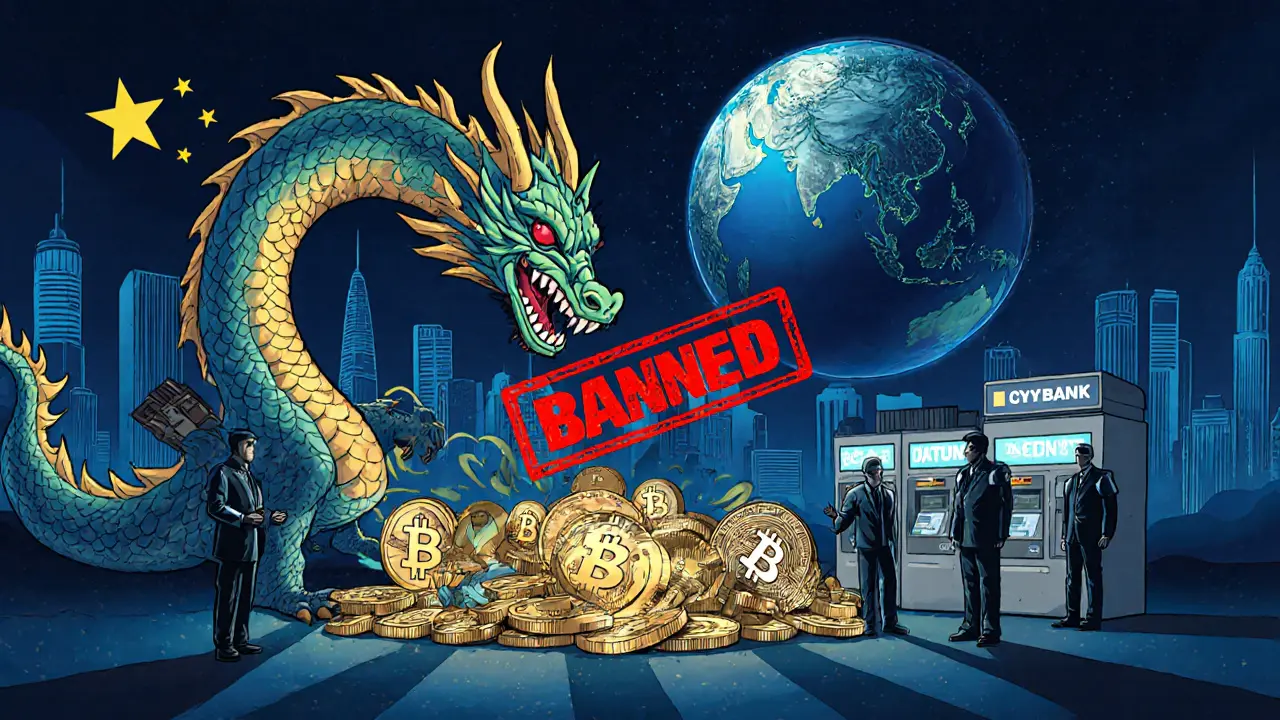
Crypto Exchange Restrictions for Chinese Citizens in 2025: What’s Banned and Why
As of June 2025, Chinese citizens are completely banned from owning, trading, or using any cryptocurrency. This article explains how the ban works, why it’s enforced so strictly, and what alternatives like the digital yuan mean for the future.
Top News
-
Mexico Crypto Monitoring Regulations by CNBV: What You Need to Know in 2026 1.03.2026

-
Wealth Tax Treatment of Crypto in Switzerland: What You Need to Know in 2026 6.03.2026

-
Cryptal Crypto Exchange Review: Is It Right for You in 2026? 2.03.2026

-
MOT by Mobius Finance Airdrop: What Really Happened and Where to Buy MOT Today 4.03.2026

-
North Korean Crypto Sanctions and Sanctioned Wallet Addresses: How the Regime Funds Its Weapons with Stolen Digital Assets 3.03.2026