Etherscan NFT: How to Track, Verify, and Explore NFTs on Ethereum
When you buy or trade an NFT on Ethereum, Etherscan NFT, a public blockchain explorer that displays all Ethereum transactions, including NFT transfers and contract details. Also known as Etherscan, it’s the go-to tool for checking who owns what, when it was bought, and if the contract is legitimate. Without it, you’re flying blind—especially when someone sends you a fake NFT or a scam token pretending to be from Bored Ape or CryptoPunks.
Etherscan NFT doesn’t just show you the image. It pulls the full NFT metadata, the behind-the-scenes data like name, description, and smart contract address that defines each token. Also known as token attributes, this info tells you if the NFT is truly minted by the official project or a copy-paste ripoff. You can see every transfer, who sold it, who bought it, and even the gas fees paid. That’s how you spot a wash trade—where the same person buys and sells to fake volume—or a rug pull where the creator drains the contract.
And it’s not just for buyers. If you’re minting your own NFT, Etherscan NFT lets you verify your contract code so collectors know it’s not malicious. You can check if the contract has a hidden royalty fee, if the minting is still open, or if the project’s wallet holds 90% of the supply—red flags that show up loud and clear on Etherscan.
People use Etherscan NFT every day to validate claims. Like when someone says they own a CryptoPunk—Etherscan shows the exact wallet address, the purchase date, and if it’s ever been transferred. Or when a new NFT drops and you’re wondering if the contract is real—you paste the address into Etherscan and see if it matches the project’s official site. It’s the digital equivalent of checking a car’s VIN before buying it used.
But Etherscan NFT isn’t magic. It can’t tell you if an NFT is worth anything. It won’t warn you about a project with no team or zero community. That’s where the real work starts—reading the whitepaper, checking Twitter, seeing if the Discord is active. But Etherscan NFT is the first step. It’s the ledger that doesn’t lie.
Below, you’ll find real guides and warnings about NFTs tracked through Etherscan—like how to spot fake airdrops tied to Ethereum contracts, why some NFTs vanish from marketplaces after being verified, and how to use Etherscan to confirm if a token you got in a giveaway is actually real. No fluff. Just what you need to protect your wallet and understand what’s really on-chain.
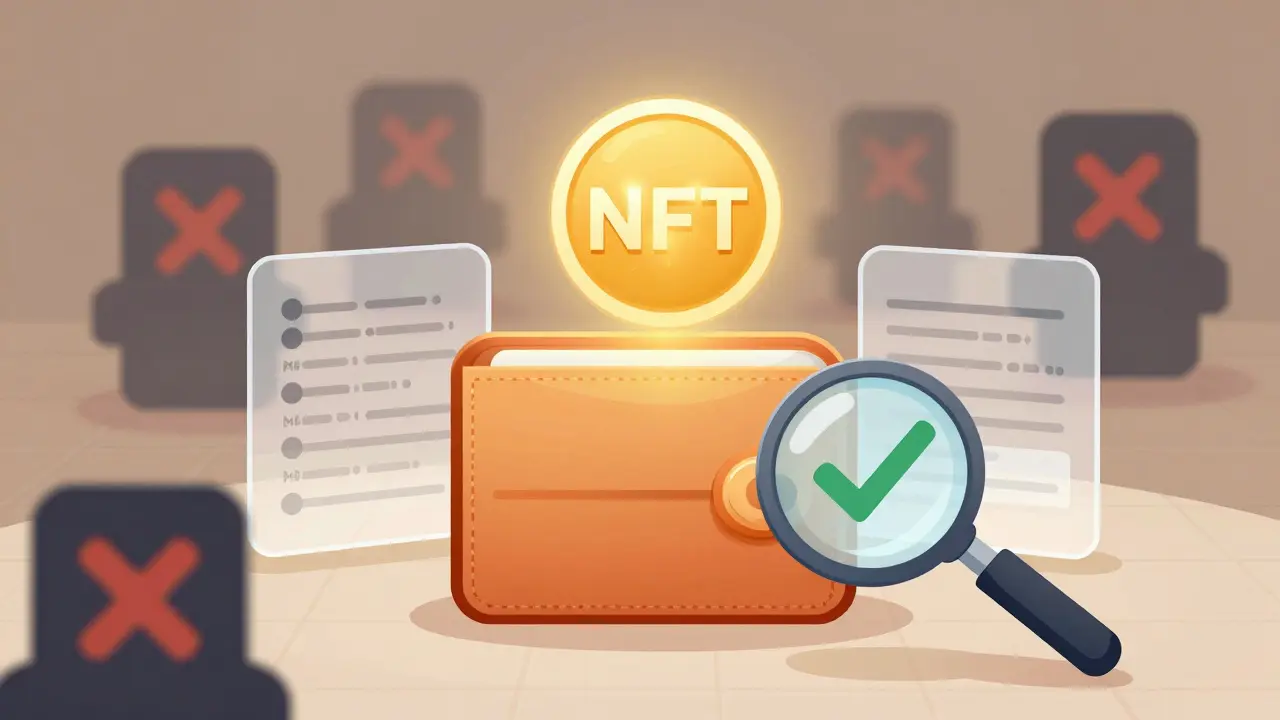
How to Verify NFT Ownership on Blockchain: A Step-by-Step Guide
Learn how to verify NFT ownership on the blockchain using Etherscan and other tools. Avoid scams, understand what you really own, and confirm your NFT is legitimate with step-by-step verification.
Top News
-
Wealth Tax Treatment of Crypto in Switzerland: What You Need to Know in 2026 6.03.2026
-
North Korean Crypto Sanctions and Sanctioned Wallet Addresses: How the Regime Funds Its Weapons with Stolen Digital Assets 3.03.2026
-
BunnySwap Crypto Exchange Review: A Niche DEX with Almost No Trading Volume 5.03.2026
-
Cryptal Crypto Exchange Review: Is It Right for You in 2026? 2.03.2026
-
MOT by Mobius Finance Airdrop: What Really Happened and Where to Buy MOT Today 4.03.2026