Katana DeFi: What It Is, How It Works, and What You Need to Know
When you hear Katana DeFi, a decentralized exchange built on the Solana blockchain that lets users trade crypto without intermediaries. Also known as Katana DEX, it's one of the few platforms on Solana designed for high-speed, low-fee trading with deep liquidity pools. Unlike older DeFi platforms that run on Ethereum and charge $10+ in gas fees, Katana DeFi operates on Solana — a network built for speed and affordability. That means you can swap tokens in seconds for pennies, which is why traders and liquidity providers flock to it.
Katana DeFi isn’t just another swap tool. It’s part of a larger shift in how people interact with crypto: moving away from slow, expensive systems toward ones that feel like using a regular app. This matters because if DeFi is supposed to be the future of finance, it needs to be fast and cheap — not a lottery ticket for gas fees. The platform supports major Solana tokens like SOL, USDC, and SRM, and integrates with wallets like Phantom and Solflare. It also allows users to add liquidity and earn fees, making it a hub for both traders and yield seekers. But here’s the catch: because it’s built on Solana, its security and uptime depend entirely on Solana’s network. When Solana goes down — and it has, multiple times — Katana goes with it. That’s the trade-off for speed.
What makes Katana DeFi stand out isn’t just its tech — it’s how it fits into the bigger picture of decentralized finance. It’s a prime example of DeFi composability, the ability for financial protocols to connect like building blocks. Katana pulls liquidity from other Solana-based projects, uses automated market makers (AMMs) like Uniswap does, and lets users interact with staking, farming, and swaps all in one place. It’s also tied to Solana DEX, a category of decentralized exchanges optimized for Solana’s high-throughput architecture, which includes platforms like Raydium and Jupiter. These aren’t just alternatives — they’re reshaping how crypto trading works, especially for users who hate waiting and paying too much.
But don’t be fooled by the low fees and fast trades. Katana DeFi isn’t for beginners who want to just hold crypto. It’s for those who understand slippage, impermanent loss, and the risks of relying on a single blockchain. If Solana’s network gets congested or hit by a bug, your trades could fail or your funds could get stuck. There’s no customer support team to call. You’re on your own — which is exactly how DeFi is supposed to work. But that also means you need to know what you’re doing.
Below, you’ll find real reviews, breakdowns of its tokenomics, comparisons with other Solana DEXs, and warnings about scams pretending to be Katana. Some posts show how traders used it to flip tokens during Solana rallies. Others warn about fake liquidity pools that look just like the real thing. There’s even a guide on how to verify if you’re on the official Katana site — because phishing links are everywhere. This isn’t a hype page. It’s a practical collection of what’s actually happening with Katana DeFi right now — the wins, the losses, and the lessons learned.
Katana Crypto Exchange Review: What It Really Is and How It Works
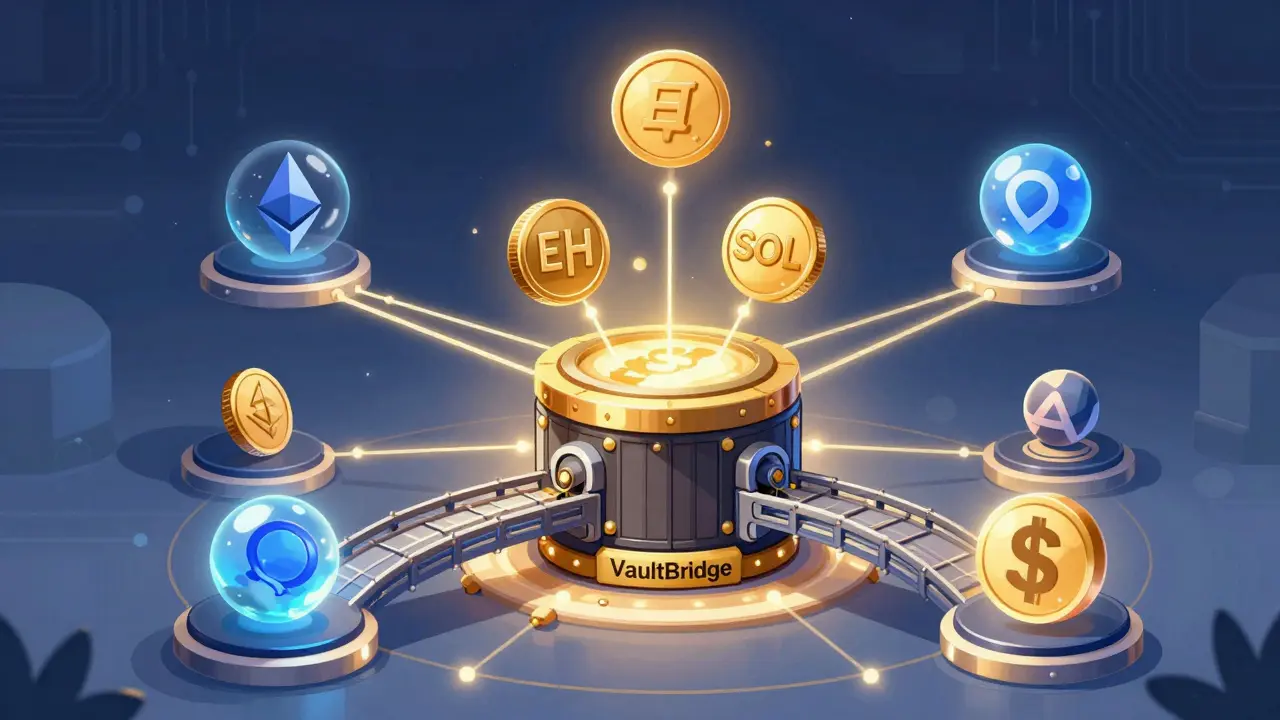
Katana is not a crypto exchange - it's a DeFi blockchain that connects liquidity across chains to generate sustainable yield. Learn how VaultBridge and Chain-Owned Liquidity work, who it's for, and why it's different from Arbitrum or Yearn.
Top News
-
Cryptal Crypto Exchange Review: Is It Right for You in 2026? 2.03.2026
-
North Korean Crypto Sanctions and Sanctioned Wallet Addresses: How the Regime Funds Its Weapons with Stolen Digital Assets 3.03.2026
-
Wealth Tax Treatment of Crypto in Switzerland: What You Need to Know in 2026 6.03.2026

-
Mexico Crypto Monitoring Regulations by CNBV: What You Need to Know in 2026 1.03.2026
-
MOT by Mobius Finance Airdrop: What Really Happened and Where to Buy MOT Today 4.03.2026