Katana Exchange: What It Is, How It Works, and What You Need to Know
When you trade crypto without a middleman, you’re using a Katana exchange, a decentralized exchange built on Solana that lets users swap tokens directly from their wallets. Also known as a Solana DEX, it’s designed for speed and low fees—key reasons traders choose it over slower, pricier platforms. Unlike centralized exchanges like Binance or Coinbase, Katana doesn’t hold your funds. You control your keys, and trades happen directly on the blockchain. That’s great for security—but it also means you’re on your own if something goes wrong.
Katana exchange fits into the bigger world of decentralized exchanges, platforms that remove banks and brokers from crypto trading. It’s similar to Uniswap on Ethereum or PancakeSwap on BSC, but it runs on Solana, which means trades settle in seconds and cost pennies. That’s why it’s popular for trading new Solana-based tokens—many of which don’t even list on big exchanges yet. But speed and low fees don’t mean safety. Many tokens traded on Katana are high-risk, unverified, or outright scams. You’ll find posts here about risky tokens like LumiChill and CrazyPepe that got dumped on DEXs like Katana because no major exchange would touch them. The platform itself isn’t a scam, but it’s a free-for-all marketplace. If you’re trading there, you need to know how to check token contracts, verify liquidity, and spot rug pulls. That’s what the posts below cover: real tools, real risks, and real examples of what happens when you trade without due diligence.
Other key players in this space include Paradex, a zero-fee derivatives exchange on Starknet, and Lifinity, another Solana DEX with similar low fees but far less adoption. Katana sits between them—not the biggest, not the most secure, but one of the most used for quick, speculative trades. If you’re looking to swap Solana tokens, it’s one of the few options that actually works fast. But don’t assume it’s safe just because it’s popular. The same posts that explain how to verify NFT ownership or spot fake airdrops also teach you how to avoid losing money on sketchy DEX trades. What you’ll find below isn’t a list of recommendations. It’s a collection of hard truths: dead tokens, failed projects, and scams that slipped through the cracks of platforms like Katana. You’ll learn what to look for before clicking ‘swap,’ how to read on-chain data, and why most new tokens on Solana DEXs never make it past day one. This isn’t about hype. It’s about staying alive in a space where the easiest way to lose money is to trust too easily.
Katana Crypto Exchange Review: What It Really Is and How It Works
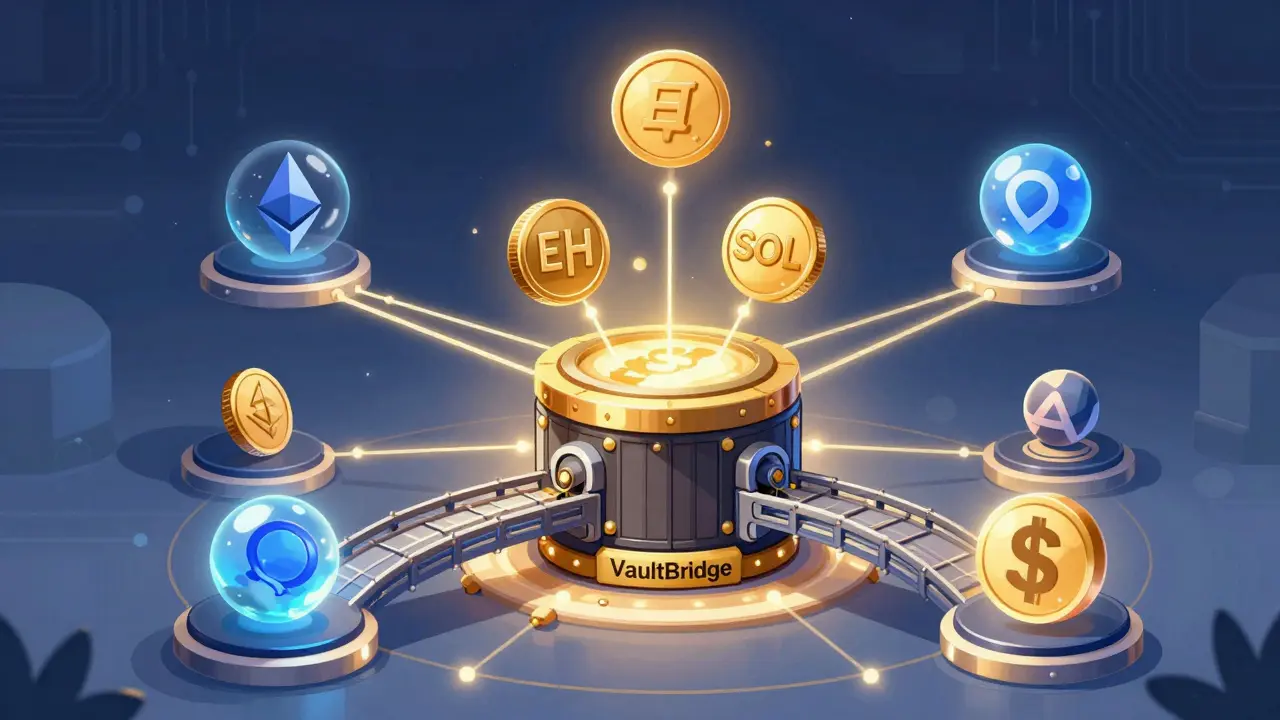
Katana is not a crypto exchange - it's a DeFi blockchain that connects liquidity across chains to generate sustainable yield. Learn how VaultBridge and Chain-Owned Liquidity work, who it's for, and why it's different from Arbitrum or Yearn.
Top News
-
North Korean Crypto Sanctions and Sanctioned Wallet Addresses: How the Regime Funds Its Weapons with Stolen Digital Assets 3.03.2026
-
Cryptal Crypto Exchange Review: Is It Right for You in 2026? 2.03.2026
-
BunnySwap Crypto Exchange Review: A Niche DEX with Almost No Trading Volume 5.03.2026

-
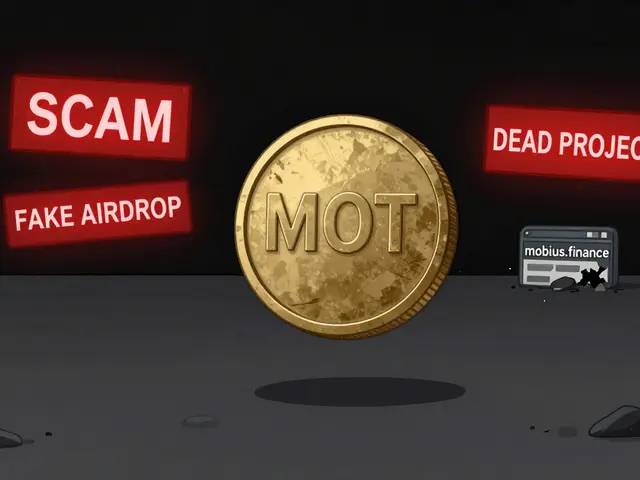
MOT by Mobius Finance Airdrop: What Really Happened and Where to Buy MOT Today 4.03.2026
-
Wealth Tax Treatment of Crypto in Switzerland: What You Need to Know in 2026 6.03.2026