Liquidation in Crypto: What It Means and How to Avoid It
When you trade crypto with liquidation, the forced closing of a leveraged position when losses exceed your collateral. Also known as margin closeout, it’s what happens when the market moves against you too hard—and your exchange or protocol pulls the plug to stop further losses. This isn’t some abstract risk. It’s real. People lose everything in seconds because they didn’t understand how leverage and collateral interact.
Leverage, borrowing funds to amplify your position size is the main driver. If you trade with 10x leverage on Bitcoin and it drops 10%, you’re wiped out. No magic, no mystery. That’s basic math. Most retail traders don’t realize that even a 5% move can trigger liquidation if they’re over-leveraged. Platforms like Paradex or DeFi Swap let you trade with high leverage, but they don’t warn you when your position is about to vanish. The system doesn’t care if you’re new or experienced—it just follows the rules.
Margin trading, the practice of using borrowed capital to open larger trades is common in DeFi and centralized exchanges alike. But here’s the catch: your collateral isn’t just a deposit. It’s your lifeline. If the value of your collateral drops below the maintenance margin, the system automatically sells your position. No warning. No second chance. That’s why so many people lose their entire stake in tokens like HGET, CHILL, or CRAZYPEPE—they’re trading on borrowed money, not real capital. And when volatility hits, those tokens can crash faster than a meme coin with no liquidity.
It’s not just about price. DeFi liquidation, the automatic closing of positions on decentralized protocols when collateral ratios fall too low is even more brutal. On platforms like Aave or Compound, you need to keep your collateral above a certain threshold. If ETH drops and your loan-to-value ratio spikes, your position gets liquidated—and the liquidator keeps a cut. You lose your assets. They make money. That’s the design.
People think liquidation only happens to reckless traders. But even smart ones get caught. You can have a solid strategy, but if you use too much leverage or ignore stop-losses, you’re playing Russian roulette. The market doesn’t pause for you to check your phone. It moves. And when it does, your position can vanish before you even see the alert.
There’s no way to eliminate liquidation risk entirely—but you can slash it. Use lower leverage. Keep extra collateral. Avoid illiquid tokens. Know your liquidation price before you open a trade. And never, ever assume a platform will save you. Most don’t care. They just execute the code.
In the posts below, you’ll find real examples of what happens when traders ignore these rules—from dead tokens with $0 price to scam exchanges that lure users into risky trades. You’ll see how people lost everything on leveraged positions, how DeFi protocols handle liquidation differently than centralized exchanges, and what steps you can take to protect yourself. No theory. No hype. Just what actually happens when liquidation hits.
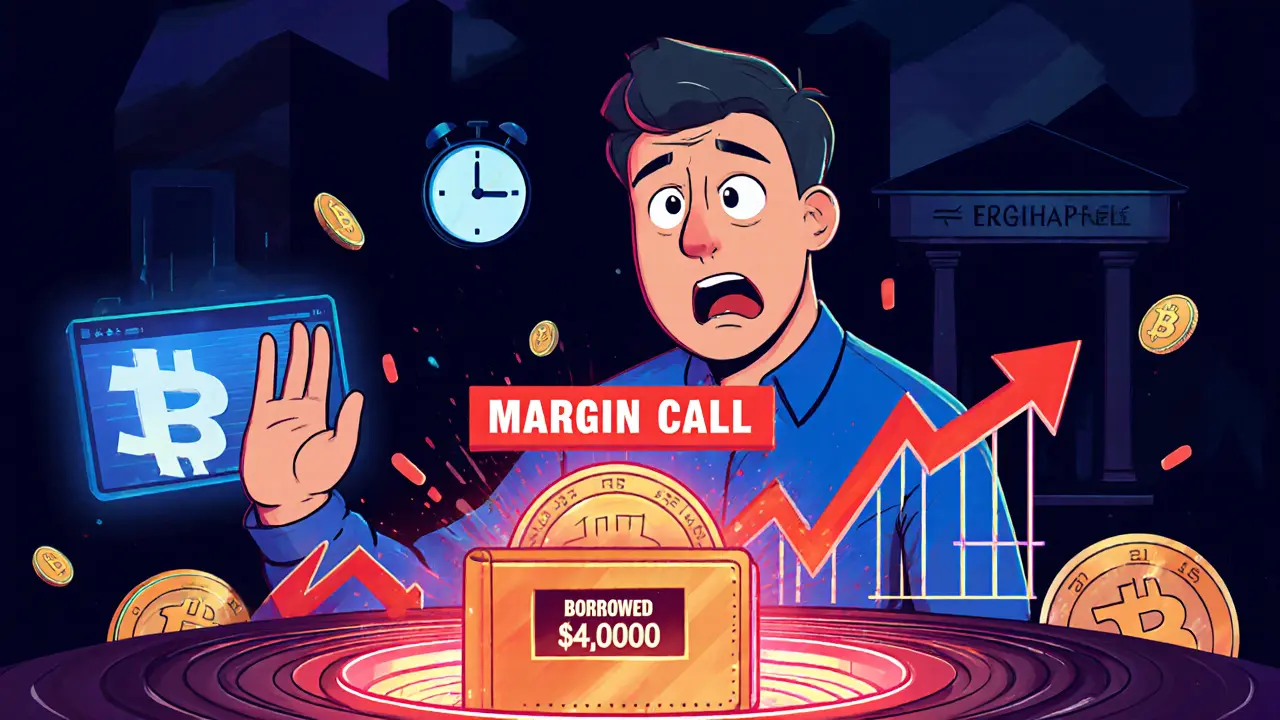
Margin Call and Liquidation Explained: How Leverage Risks Work in Crypto Trading
Margin calls and liquidation are critical risks in leveraged crypto trading. Learn how they work, why they happen, and how to avoid losing everything - even if you're new to trading with leverage.
Top News
-
MOT by Mobius Finance Airdrop: What Really Happened and Where to Buy MOT Today 4.03.2026

-
Cryptal Crypto Exchange Review: Is It Right for You in 2026? 2.03.2026

-
Wealth Tax Treatment of Crypto in Switzerland: What You Need to Know in 2026 6.03.2026

-
North Korean Crypto Sanctions and Sanctioned Wallet Addresses: How the Regime Funds Its Weapons with Stolen Digital Assets 3.03.2026

-
BunnySwap Crypto Exchange Review: A Niche DEX with Almost No Trading Volume 5.03.2026