NFT Ownership Check: How to Verify You Really Own Your NFT
When you buy an NFT, you think you own it. But NFT ownership, the verified proof that a digital asset belongs to you on the blockchain. Also known as on-chain ownership, it's not about what your wallet shows—it's about what the smart contract records. Many people lose NFTs not because they were hacked, but because they never actually verified ownership. They trusted a marketplace listing, a screenshot, or a Discord message. That’s like thinking you own a house because you have a photo of the keys.
Real NFT ownership is checked on the blockchain using your wallet address. Tools like Etherscan, Solana Explorer, or OpenSea’s contract view show exactly which wallet holds the token ID. If your wallet isn’t listed as the current owner in the contract, you don’t own it—no matter what the seller says. This is why blockchain NFT ownership, the immutable record of who holds which token on a public ledger matters more than any platform’s UI. Even if OpenSea shows your NFT, if the underlying smart contract says otherwise, you’re out of luck. And don’t forget: NFT wallet check, the process of confirming a token’s location and transfer history using a blockchain explorer is the only way to be sure. Scammers often create fake listings or clone NFTs with similar images. Only the token ID and contract address are real.
Most people skip the NFT ownership check because it feels technical. But you don’t need to be a coder. Just paste your wallet address into a blockchain explorer, find the NFT’s contract address (it’s in the listing), and search for the token ID. If it shows up under your address, you own it. If it’s listed under someone else’s wallet, you’re paying for a lie. This is why so many NFT buyers end up with worthless tokens—they never checked. The same goes for airdrops. If someone says you got a free NFT, verify it. Many "free" NFTs are just phishing traps designed to drain your wallet. You can’t trust a claim—you can only trust the chain.
There’s no shortcut. No app that magically proves ownership. No support team that can reverse a wrong transfer. The blockchain doesn’t care about your feelings, your screenshots, or your trust in a Discord admin. It only cares about the data. That’s why every NFT guide you read should start with this: NFT ownership check isn’t optional. It’s the first step. And if you skip it, you’re gambling with your assets. Below, you’ll find real cases where people lost NFTs because they didn’t verify ownership—and others who caught scams before it was too late. These aren’t theory pieces. These are lessons from real wallets, real transactions, and real losses.
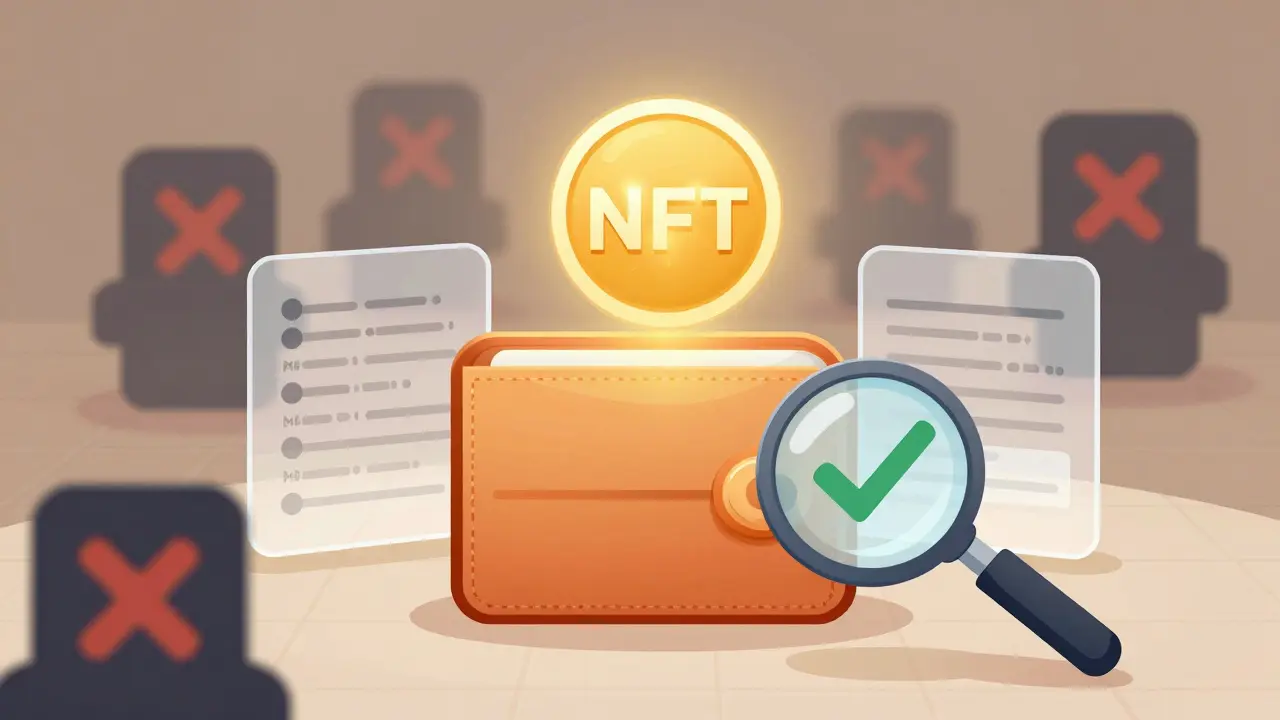
How to Verify NFT Ownership on Blockchain: A Step-by-Step Guide
Learn how to verify NFT ownership on the blockchain using Etherscan and other tools. Avoid scams, understand what you really own, and confirm your NFT is legitimate with step-by-step verification.
Top News
-
Wealth Tax Treatment of Crypto in Switzerland: What You Need to Know in 2026 6.03.2026
-
Mexico Crypto Monitoring Regulations by CNBV: What You Need to Know in 2026 1.03.2026
-
Cryptal Crypto Exchange Review: Is It Right for You in 2026? 2.03.2026
-
North Korean Crypto Sanctions and Sanctioned Wallet Addresses: How the Regime Funds Its Weapons with Stolen Digital Assets 3.03.2026
-
MOT by Mobius Finance Airdrop: What Really Happened and Where to Buy MOT Today 4.03.2026