PBOC crypto rules: What China's central bank really allows and bans
When you hear PBOC crypto rules, the regulatory framework set by the People's Bank of China to control digital currency use within the country. Also known as China's cryptocurrency policy, it doesn't just restrict crypto—it reshapes how money moves in the world's second-largest economy. The PBOC doesn't care if you trade Bitcoin or Ethereum. What matters is control. Since 2021, China has banned all crypto trading, mining, and exchange services. Banks can't process crypto transactions. Payment apps like WeChat Pay and Alipay block crypto-related payments. Even hosting a crypto wallet on a Chinese server is illegal. This isn't about fear of volatility—it's about replacing decentralized money with something the state can track, control, and tax.
The real focus isn't banning crypto—it's pushing the digital yuan, China's central bank digital currency (CBDC) built on a centralized ledger controlled entirely by the PBOC. Unlike Bitcoin, where you hold your own keys, the digital yuan lets the government freeze funds, set expiration dates, and monitor every transaction down to the cent. It's not anonymous. It's not decentralized. It's surveillance with better UX. And it's not just for citizens. Foreign businesses operating in China must comply, or risk losing access to the country's massive market. This moves China from being a crypto outlaw to the world's most aggressive issuer of state-backed digital money.
These rules don't just affect people inside China. Global exchanges like Binance and OKX had to shut down their mainland operations. Miners fled to Kazakhstan, the U.S., and Canada. Investors who held crypto on Chinese platforms lost access overnight. Even now, Chinese users still find ways around the ban—using peer-to-peer trades, offshore wallets, or VPNs—but the PBOC keeps tightening the screws. Meanwhile, the digital yuan is being tested in dozens of cities, integrated into public transit, retail payments, and even government salaries. The message is clear: if you want to use digital money in China, it has to be theirs.
What you'll find in the posts below isn't a list of crypto projects or price predictions. It's a collection of real-world cases showing how regulation shapes the market—whether it's India's 30% tax, Australia banning privacy coins, or the IRS treating Bitcoin as property. The PBOC crypto rules are the most extreme example of state power over digital finance. And if you're trading crypto anywhere in the world, you're already living in the world they helped create.
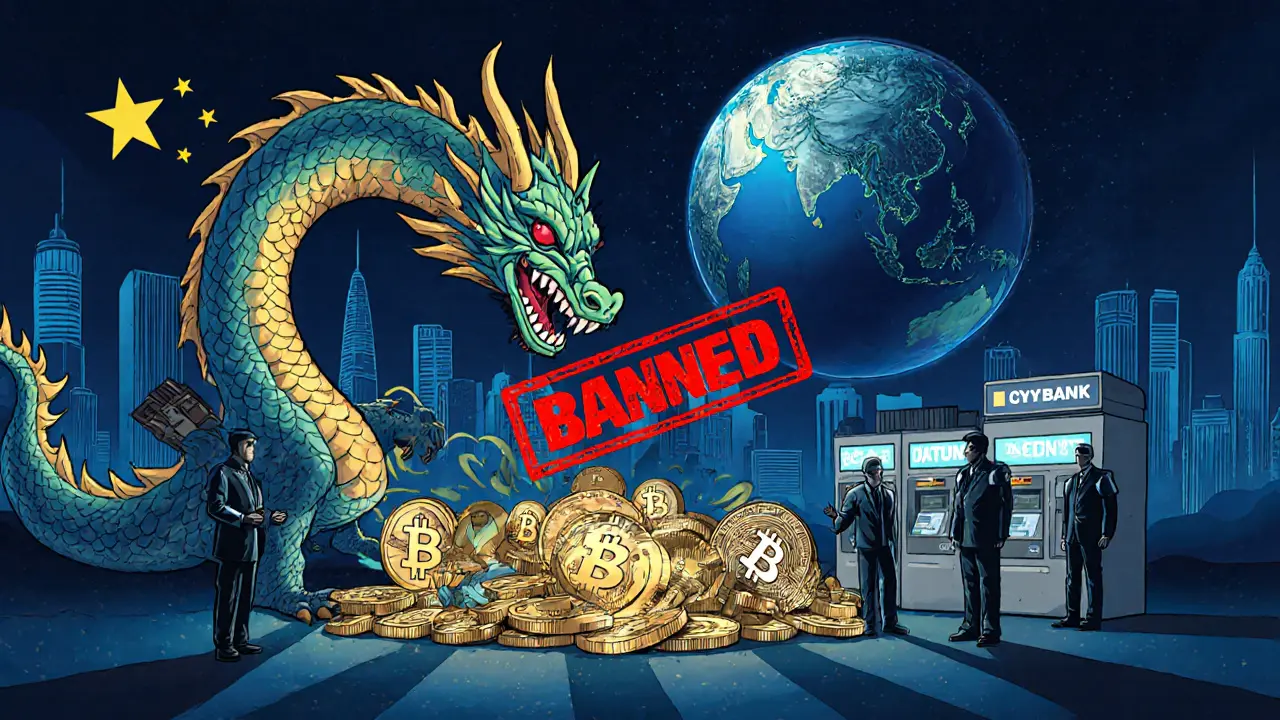
Crypto Exchange Restrictions for Chinese Citizens in 2025: What’s Banned and Why
As of June 2025, Chinese citizens are completely banned from owning, trading, or using any cryptocurrency. This article explains how the ban works, why it’s enforced so strictly, and what alternatives like the digital yuan mean for the future.
Top News
-
MOT by Mobius Finance Airdrop: What Really Happened and Where to Buy MOT Today 4.03.2026

-
North Korean Crypto Sanctions and Sanctioned Wallet Addresses: How the Regime Funds Its Weapons with Stolen Digital Assets 3.03.2026

-
Wealth Tax Treatment of Crypto in Switzerland: What You Need to Know in 2026 6.03.2026

-
BunnySwap Crypto Exchange Review: A Niche DEX with Almost No Trading Volume 5.03.2026

-
Cryptal Crypto Exchange Review: Is It Right for You in 2026? 2.03.2026