SPL-20 Token: What It Is, How It Works, and Why It Matters on Solana
When you hear about a new meme coin or DeFi project on Solana, it’s almost certainly built on an SPL-20 token, a token standard on the Solana blockchain that lets developers create and distribute digital assets quickly and cheaply. Also known as Solana token standard, it’s the reason you can buy a dog-themed coin for a fraction of a cent and trade it in seconds. Unlike Ethereum’s ERC-20, which needs high gas fees and slow confirmations, SPL-20 runs on Solana’s fast, low-cost network. That’s why over 90% of new tokens launched in 2024 were SPL-20 — not because they’re revolutionary, but because they’re practical.
SPL-20 tokens don’t just copy ERC-20. They’re built differently. While ERC-20 tokens live inside smart contracts that can be complex and expensive to run, SPL-20 tokens are simpler. They use Solana’s account-based model, where each token is tied directly to a user’s wallet address. This means near-instant transactions, fees under a penny, and no need for layer-2 solutions. It’s why projects like $BONK and $WIF exploded — they didn’t need a giant team or millions in funding to launch. Just a GitHub repo, a Solana wallet, and a Twitter thread.
But here’s the catch: SPL-20 doesn’t come with built-in security or verification. Anyone can create one. That’s why you see so many dead tokens — over 70% of SPL-20 coins vanish within six months. There’s no central authority checking if a project is real. You’re trusting the code, the community, and luck. That’s why checking the token’s liquidity, audit status, and wallet distribution matters more than ever. A token with 90% of supply held by one wallet? Red flag. A token with no trading volume on major DEXs? Probably dead.
SPL-20 also connects to other Solana tools. You’ll find these tokens on Raydium, Jupiter, and Phantom wallets. They’re used in yield farms, staking pools, and NFT drops. But they’re not just for speculation. Some SPL-20 tokens power real utility — like governance for decentralized apps or access to exclusive communities. The difference? The ones with active development and clear use cases stick around. The rest? They’re just noise.
If you’re new to Solana, SPL-20 is your entry point. It’s the easiest way to get involved in crypto without buying Bitcoin or Ethereum first. But it’s also where most people lose money. The good news? You don’t need to guess. The posts below break down real SPL-20 tokens — which ones have traction, which ones are scams, and how to spot the difference before you invest.
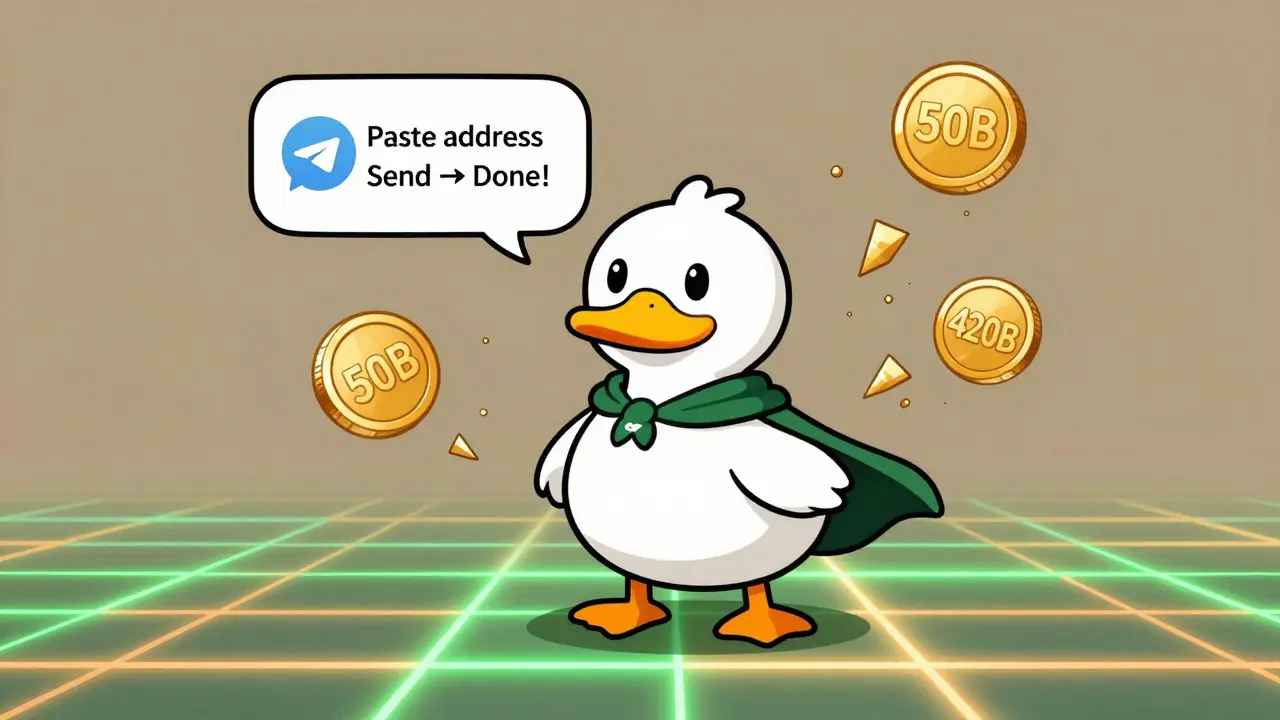
What is Ducky Duck (DUCKY) crypto coin? Solana memecoin explained with real data
Ducky Duck (DUCKY) is a Solana-based memecoin with a 200 million token supply and a Telegram trading bot that lets you swap tokens without a wallet. Learn how to spot the real one and avoid fake versions.
Top News
-
CRMClick Crypto Exchange Review: Is it Safe to Trade Here? 4.04.2026

-
Bitcoin in El Salvador: The Shift from Legal Tender to Voluntary Use 9.04.2026
-
VPN Detection Risks for Crypto Traders in Iran: How to Stay Safe 8.04.2026
-
Understanding PVARA: Crypto Regulations & Restrictions in Pakistan 1.04.2026

-
What is CoTrader (COT)? A Deep Dive into the COT Token 7.04.2026