Token.com: What It Is, How It Works, and What You Need to Know
When you hear Token.com, a platform focused on real-world tokenization and digital asset access. Also known as Token, it represents a shift from speculative crypto coins to tokens with actual use cases—like access, ownership, or governance in decentralized systems. Most people think of tokens as just another coin to buy and sell, but that’s not the full story. A real token, like those listed or discussed on Token.com, can give you rights—to vote, to earn, to use a service, or even to own a piece of a digital asset. It’s not about hype. It’s about function.
That’s why the posts here focus on tokens that actually do something. You’ll find deep dives into sUSD, a decentralized stablecoin backed by SNX, not cash, and how it works differently from USDT or DAI. You’ll see how Hedget (HGET), a token powering a decentralized options protocol lets traders hedge risk without handing over control. And you’ll learn why tokens like LumiChill (CHILL), a Solana-based token with no team, no utility, and no trading volume are red flags, not investments. These aren’t random picks—they’re examples of what works and what doesn’t in today’s token landscape.
Token.com isn’t about chasing the next meme coin. It’s about understanding the mechanics behind the tokens you interact with. Whether it’s how token utility ties into DeFi protocols, why some tokens get banned on exchanges like in Australia, or how airdrops like KALATA or SHF actually play out, the goal is clarity. You’ll find guides on verifying NFT ownership, spotting fake airdrops, and avoiding scams tied to tokens with zero value. You’ll also see how blockchain infrastructure—like sidechains, account abstraction, and Proof of Stake—affects how tokens behave and who can use them.
There’s no sugarcoating here. Some tokens are dead. Some platforms are scams. Some airdrops don’t exist. And that’s exactly why this collection matters. If you’re trying to figure out what’s real, what’s risky, and what’s worth your time, you’re in the right place. Below, you’ll find real reviews, step-by-step breakdowns, and hard truths about the tokens and platforms people actually use—or should avoid.

What is Token.com (TOKEN) crypto coin? Explained with real data and risks
Token.com (TOKEN) is a social crypto platform where users invest in creator-promoted tokens via video feeds. With low liquidity, no major exchange listings, and minimal user growth, it's a high-risk experiment - not a viable investment.
Top News
-
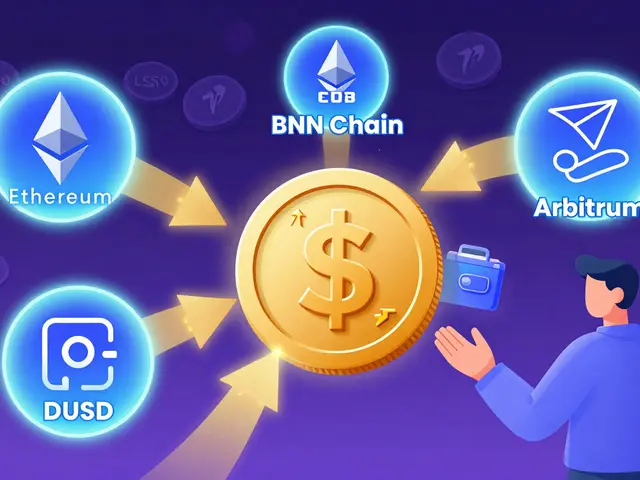
What is Davos.xyz USD (DUSD) Crypto Coin? A Clear Breakdown of the Yield-Paying Stablecoin 4.12.2025
-
Katana Crypto Exchange Review: What It Really Is and How It Works 2.12.2025
-
What is Token.com (TOKEN) crypto coin? Explained with real data and risks 1.12.2025

-
What is Ducky Duck (DUCKY) crypto coin? Solana memecoin explained with real data 5.12.2025

-
What is sUSD (SUSD) Crypto Coin? A Practical Guide to the Decentralized Stablecoin 3.12.2025