VPN Security: Protect Your Online Privacy & Data
When working with VPN security, the practice of using virtual private networks to encrypt internet traffic and hide user locations. Also known as online privacy protection, it helps keep your data safe from snoops and hackers. In everyday terms, a VPN creates a tunnel between your device and the internet, so anyone watching the road can’t see what’s inside the tunnel. This tunnel relies heavily on encryption, turning readable data into scrambled code that only the VPN server can decode. Without that layer, a VPN would just be a proxy with no real shield. That’s why encryption, the process of converting data into a coded format that only authorized parties can decode is the heart of VPN security.
Another piece of the puzzle is the firewall, a network security system that monitors and controls incoming and outgoing traffic based on predetermined rules. While a VPN hides your traffic, a firewall decides whether that traffic should be allowed in the first place. Together they form a two‑layer defense: the firewall blocks unwanted connections, and the VPN encrypts whatever gets through. This combination is especially important when you’re on public Wi‑Fi, where attackers often try to intercept data or inject malware. By having both, you reduce the attack surface dramatically.
Key Components of VPN Security
Beyond encryption and firewalls, there are other tools that boost your privacy. Identity masking, for instance, replaces your real IP address with one from a server located elsewhere. This makes it harder for websites and trackers to link your activity back to you. Additionally, modern VPN protocols like WireGuard and OpenVPN offer different balances of speed and security; choose the one that fits your needs. Leak protection is another must‑have – it prevents your true IP from slipping out through DNS or IPv6 requests. When a VPN provider offers a kill‑switch, it ensures that if the tunnel drops, your internet connection shuts off, so nothing leaks unintentionally.
Understanding how these pieces interact helps you pick the right service. A VPN that advertises "no‑log" policies but lacks a kill‑switch may still expose you during drops. Likewise, a provider with strong encryption but weak server locations might give you slower speeds, tempting you to switch to an insecure free alternative. Evaluate each feature against your use case: streaming, banking, or remote work each demand different priorities. For banking, you’ll want maximum encryption and multi‑factor authentication. For streaming, speed and server proximity matter more.
Data protection doesn’t stop at the tunnel. Your device’s operating system should be up to date, and you should use strong, unique passwords for all accounts. Pairing a VPN with a reputable password manager creates a layered security stack that covers both network and credential risks. If you’re handling sensitive documents, consider end‑to‑end encrypted cloud storage in addition to the VPN, so the data stays protected even before it hits the internet.
By now you should see how VPN security ties together encryption, firewalls, protocol choices, and broader privacy habits. The articles below dive deeper into each of these topics, from choosing the best VPN for a specific country to troubleshooting common connection issues. Whether you’re a crypto trader looking for secure exchange access or just someone tired of intrusive ads, the collection offers actionable insights to strengthen your online shield.
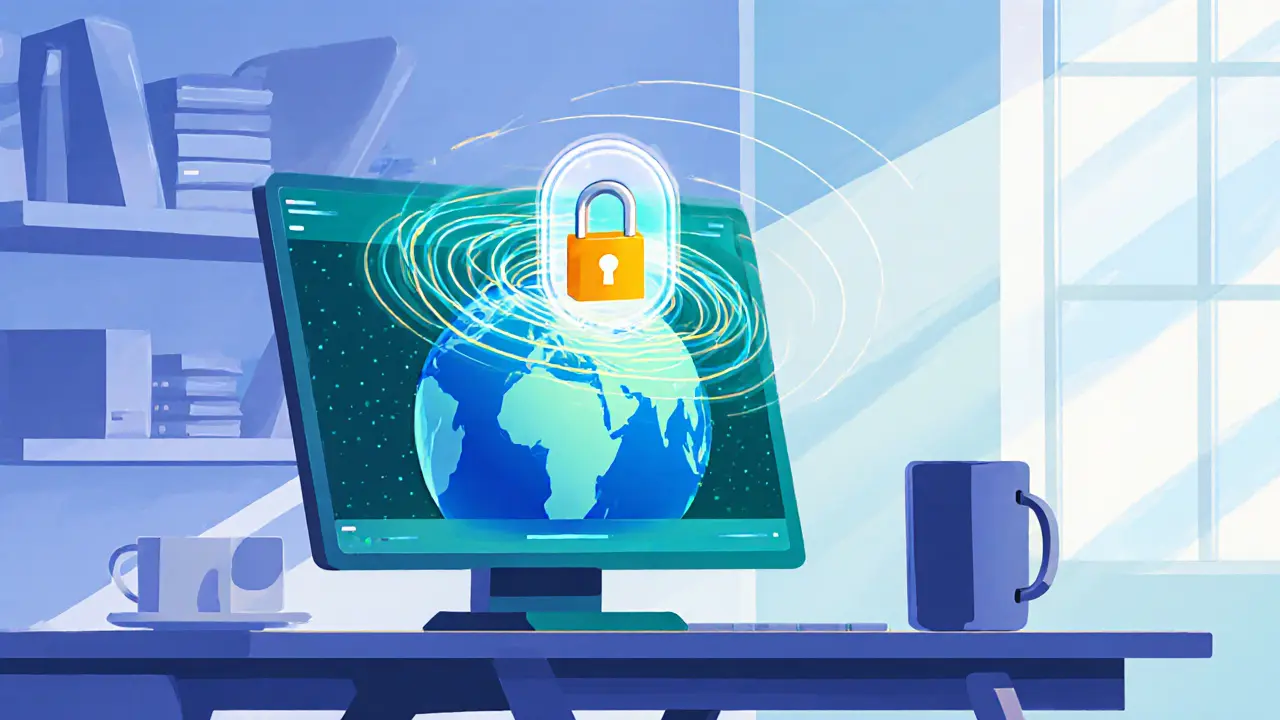
VPN Use on Crypto Exchanges: How Detectable Is It?
Explore how crypto exchanges detect VPN traffic, why detection rates vary, and which VPNs give traders the best chance to stay under the radar.
Top News
-
Wealth Tax Treatment of Crypto in Switzerland: What You Need to Know in 2026 6.03.2026

-
Cryptal Crypto Exchange Review: Is It Right for You in 2026? 2.03.2026
-
MOT by Mobius Finance Airdrop: What Really Happened and Where to Buy MOT Today 4.03.2026

-
Mexico Crypto Monitoring Regulations by CNBV: What You Need to Know in 2026 1.03.2026
-
North Korean Crypto Sanctions and Sanctioned Wallet Addresses: How the Regime Funds Its Weapons with Stolen Digital Assets 3.03.2026