DUSD Crypto: What It Is, How It Works, and Why It Matters
When you hear DUSD, a decentralized stablecoin designed for use in DeFi protocols without relying on traditional banking systems. Also known as Decentralized USD, it’s one of the few stablecoins built to work directly inside smart contracts—no intermediaries, no bank accounts, just code. Unlike USDT or USDC, which are backed by cash reserves held by companies, DUSD is backed by crypto collateral, mostly from other DeFi assets. That means its value stays locked to $1 not because a bank says so, but because the system automatically adjusts supply and collateral to keep it stable.
This makes DUSD part of a bigger shift in how money works online. It’s not just a coin—it’s a tool for trading, lending, and earning yield without trusting a company. You’ll find it used in places like decentralized exchanges, margin trading platforms, and lending pools where users need stable value but don’t want to leave the blockchain. It’s similar to sUSD, a stablecoin issued by Synthetix that’s backed by SNX tokens and used for synthetic asset trading, but DUSD usually has simpler mechanics and lower fees. Compared to DAI, the most widely used crypto-backed stablecoin, built on Ethereum and collateralized by a mix of assets like ETH and USDC, DUSD often targets niche DeFi chains where speed and low cost matter more than massive adoption.
Why does this matter? Because if you’re trading or lending in DeFi, you need stability. Bitcoin and Ethereum swing wildly—DUSD doesn’t. But here’s the catch: if the collateral backing it crashes hard, the system can struggle. That’s why users who rely on DUSD watch the health of its collateral assets closely. It’s not risk-free, but it’s designed to be more transparent than centralized options. You can check its collateral ratio, see who’s minting it, and track its history on-chain. No secret reserves. No mystery.
The posts below cover real cases where DUSD and similar stablecoins are used—and where they fail. You’ll find deep dives into how DUSD compares to sUSD and DAI, what happens when collateral values drop, and which DeFi apps actually use it in practice. There’s no fluff, no hype—just facts about who uses it, why, and when it’s safer than holding USDT. Whether you’re trading on a DEX, earning yield, or just trying to avoid volatility, understanding DUSD helps you make smarter moves in DeFi.
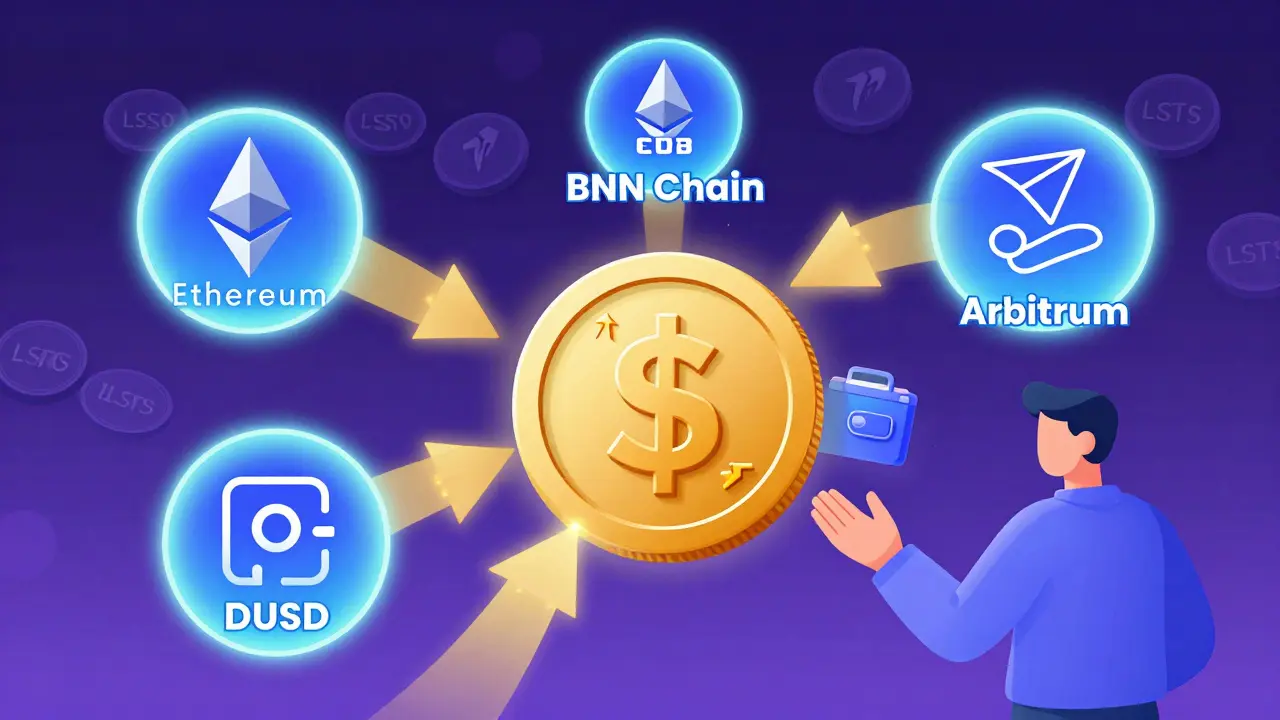
What is Davos.xyz USD (DUSD) Crypto Coin? A Clear Breakdown of the Yield-Paying Stablecoin
DUSD is a decentralized, yield-generating stablecoin backed by crypto assets like stETH and LRTs. It moves across 5 blockchains and pays users to hold it, but its small market cap and opaque collateral make it risky for savings. Best for cross-chain swaps, not long-term storage.
Top News
-
CRMClick Crypto Exchange Review: Is it Safe to Trade Here? 4.04.2026

-
What is CoTrader (COT)? A Deep Dive into the COT Token 7.04.2026

-
Bitcoin in El Salvador: The Shift from Legal Tender to Voluntary Use 9.04.2026

-
VPN Detection Risks for Crypto Traders in Iran: How to Stay Safe 8.04.2026

-
What is BLink (BLINK) Crypto Coin? Clearing Up the Confusion 10.04.2026