KEKIUS crypto: What it is, risks, and why most tokens like it fail
When you hear about KEKIUS crypto, a micro-cap token with no public team, no real use case, and extremely low trading volume. Also known as KIZUNA crypto, it’s part of a growing wave of tokens built on hype, not substance. These aren’t investments—they’re gambles with a 90%+ chance of going to zero.
What makes tokens like KEKIUS and KIZUNA so dangerous isn’t just their lack of utility. It’s how they mimic real projects. They use flashy Telegram groups, fake trading bots, and claims of "community bonding" or "AI integration" to trick new investors. But behind the noise, there’s no code audit, no roadmap, and no liquidity pool that can handle even a small sell-off. These tokens rely on new buyers to keep the price up—until everyone else realizes there’s nothing there. That’s when the price crashes, and your money vanishes. This isn’t speculation—it’s a structural flaw built into every token like this.
Look at the pattern: tokens like LumiChill, CrazyPepe, and FashionTV Token all started the same way—low market cap, no exchange listings, zero real users. And within months, they were dead. The same thing will happen to KEKIUS. The only difference is timing. What you’re seeing now isn’t a new opportunity—it’s the last gasp of a dying asset. If you’re looking to understand why most crypto tokens fail, you don’t need to study blockchain tech. You need to study human behavior. These projects don’t need to work. They just need to look like they might.
Below, you’ll find real breakdowns of similar tokens—what they claimed, what they delivered, and why they collapsed. No fluff. No hype. Just facts from tokens that vanished, and the lessons they left behind.
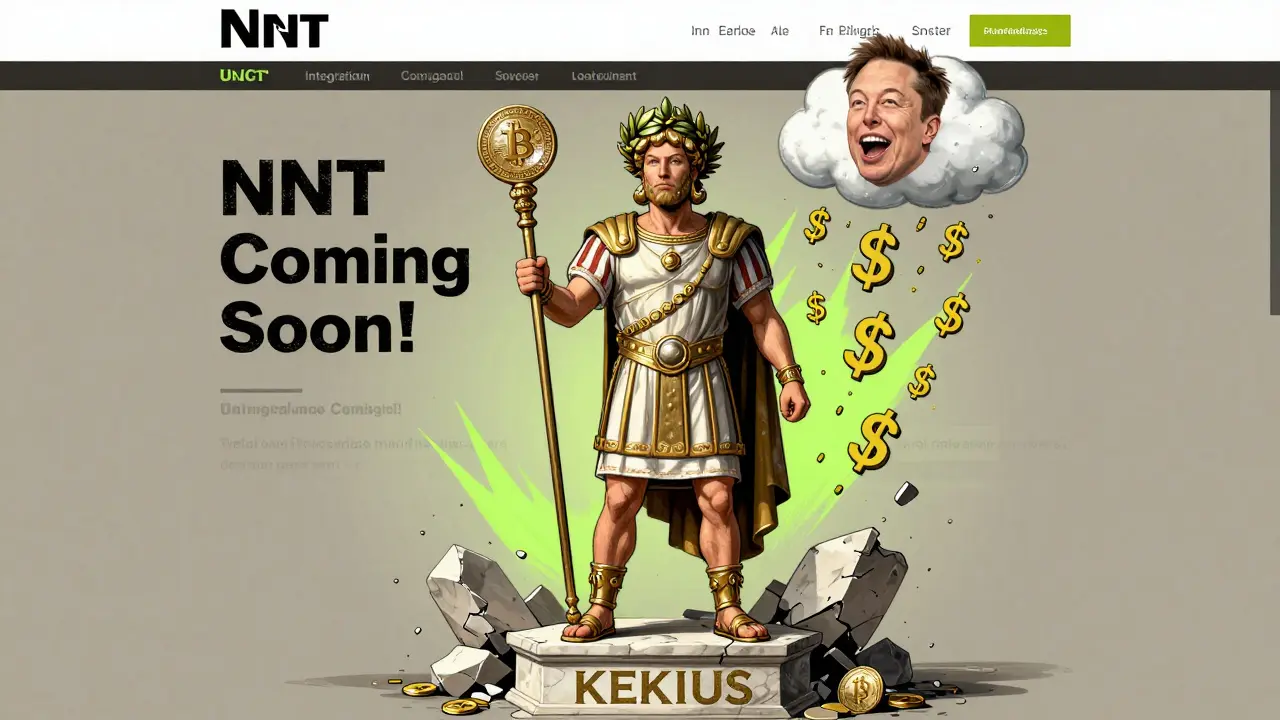
What is Kekius Maximus ($KEKIUS) Crypto Coin? A Realistic Look at the Meme Token
Kekius Maximus ($KEKIUS) is a meme crypto coin with no team, no utility, and inconsistent data across exchanges. It survives on viral tweets and hype, not real value. Here's what you need to know before buying.
Top News
-
VPN Detection Risks for Crypto Traders in Iran: How to Stay Safe 8.04.2026

-
What is BLink (BLINK) Crypto Coin? Clearing Up the Confusion 10.04.2026

-
What is CoTrader (COT)? A Deep Dive into the COT Token 7.04.2026

-
Bitcoin in El Salvador: The Shift from Legal Tender to Voluntary Use 9.04.2026

-
DIFX Crypto Exchange Review: Is It Actually Safe to Use in 2026? 11.04.2026