KIZUNA Token: What It Is, Risks, and Real-World Use Cases
When you hear about KIZUNA token, a cryptocurrency asset often promoted in social media circles without clear backing or utility. Also known as KIZUNA coin, it’s one of many tokens that pop up with flashy marketing but little substance behind the code. Unlike stablecoins like sUSD or yield-bearing tokens like DUSD, KIZUNA doesn’t appear to have a working protocol, audited smart contract, or real-world use case. It’s not listed on major exchanges, and there’s no public team or roadmap to back its existence. That doesn’t mean it’s fake—but it does mean you’re buying hope, not value.
Most tokens like KIZUNA fall into the same category as LumiChill, CrazyPepe, or FashionTV Token—projects that rely on hype, not hardware. They’re often built on Solana or BNB Chain because those networks let anyone launch a token in minutes with near-zero cost. The real question isn’t whether KIZUNA will go up in price—it’s whether anyone is actually using it. No trading volume? No liquidity? No team? Then it’s not a token. It’s a gamble dressed up as an investment.
What makes this confusing is how easily these tokens get mixed in with real projects. You’ll see KIZUNA mentioned alongside Chainlink or Hedget, but those have clear functions: oracles that feed real data to smart contracts, or decentralized options platforms that let traders hedge risk. KIZUNA does none of that. It doesn’t connect to real-world data. It doesn’t enable DeFi swaps. It doesn’t pay yield. It’s just a name on a blockchain, with no purpose beyond speculation.
And that’s why the crypto space is full of dead tokens. Over 90% of tokens launched in 2021 and 2022 are now worthless. They vanish because they were never meant to last. The ones that stick—like DUSD or sUSD—do so because they solve real problems: stable value, cross-chain liquidity, or decentralized trading. KIZUNA doesn’t solve anything. It’s a placeholder. A rumor. A tweet.
If you’re looking at KIZUNA because you saw a post saying it’s "the next big thing," pause. Ask: Who’s behind it? Where’s the whitepaper? What’s the contract address? Has it been audited? If the answers are blank, silent, or sketchy, walk away. Real tokens don’t need influencers to sell them. They speak for themselves through usage, volume, and community.
Below, you’ll find a collection of posts that cut through the noise. You’ll see how to spot real tokens from empty ones, what to look for before buying any new coin, and why most tokens you hear about on TikTok or Telegram are already dead before you even hear their name. This isn’t about chasing the next moonshot. It’s about learning what actually works in crypto—and what’s just noise.
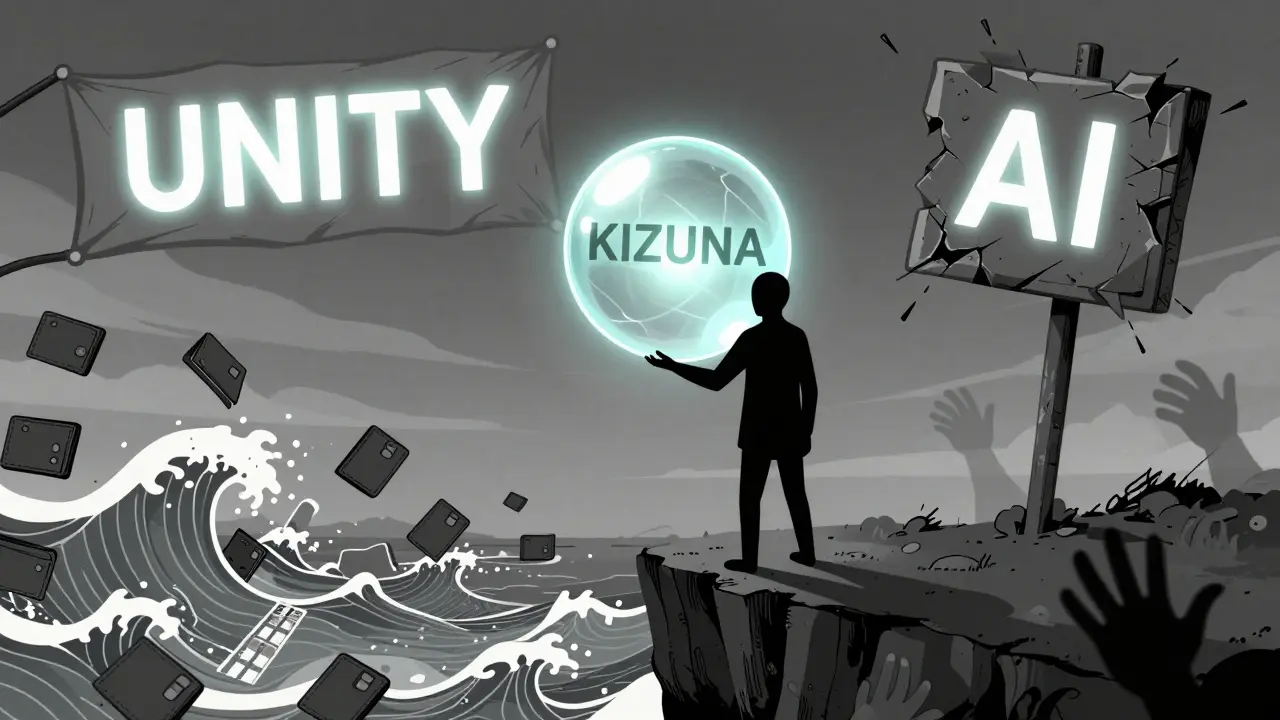
What is KIZUNA (KIZUNA) crypto coin? Facts, risks, and reality check
KIZUNA is a micro-cap crypto token with no team, no utility, and extremely low liquidity. Despite claims of AI and community bonding, it's a high-risk meme coin with a 92% failure rate among similar tokens.
Top News
-
Understanding PVARA: Crypto Regulations & Restrictions in Pakistan 1.04.2026

-
Bitcoin in El Salvador: The Shift from Legal Tender to Voluntary Use 9.04.2026

-
What is CoTrader (COT)? A Deep Dive into the COT Token 7.04.2026

-
What is BLink (BLINK) Crypto Coin? Clearing Up the Confusion 10.04.2026

-
CRMClick Crypto Exchange Review: Is it Safe to Trade Here? 4.04.2026